
Last updated November 23, 2026
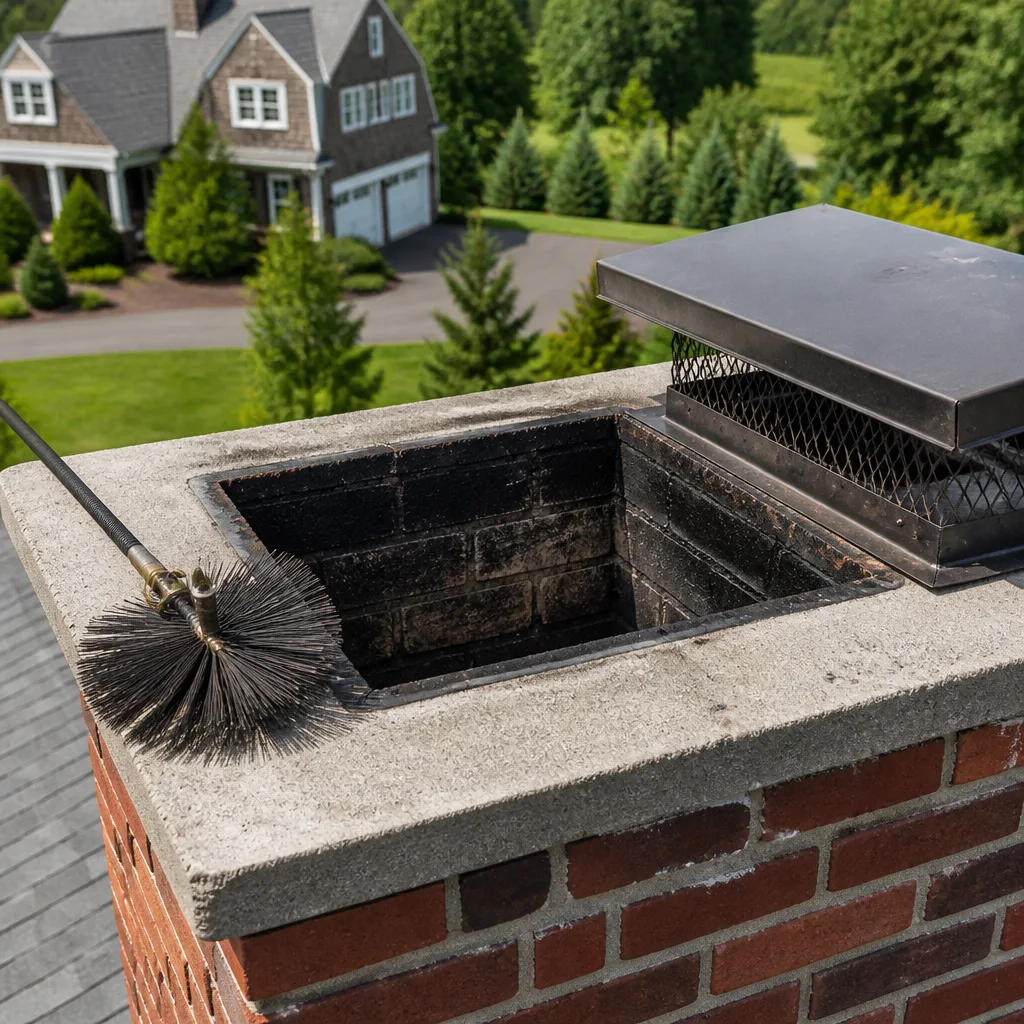 Sweep & inspection
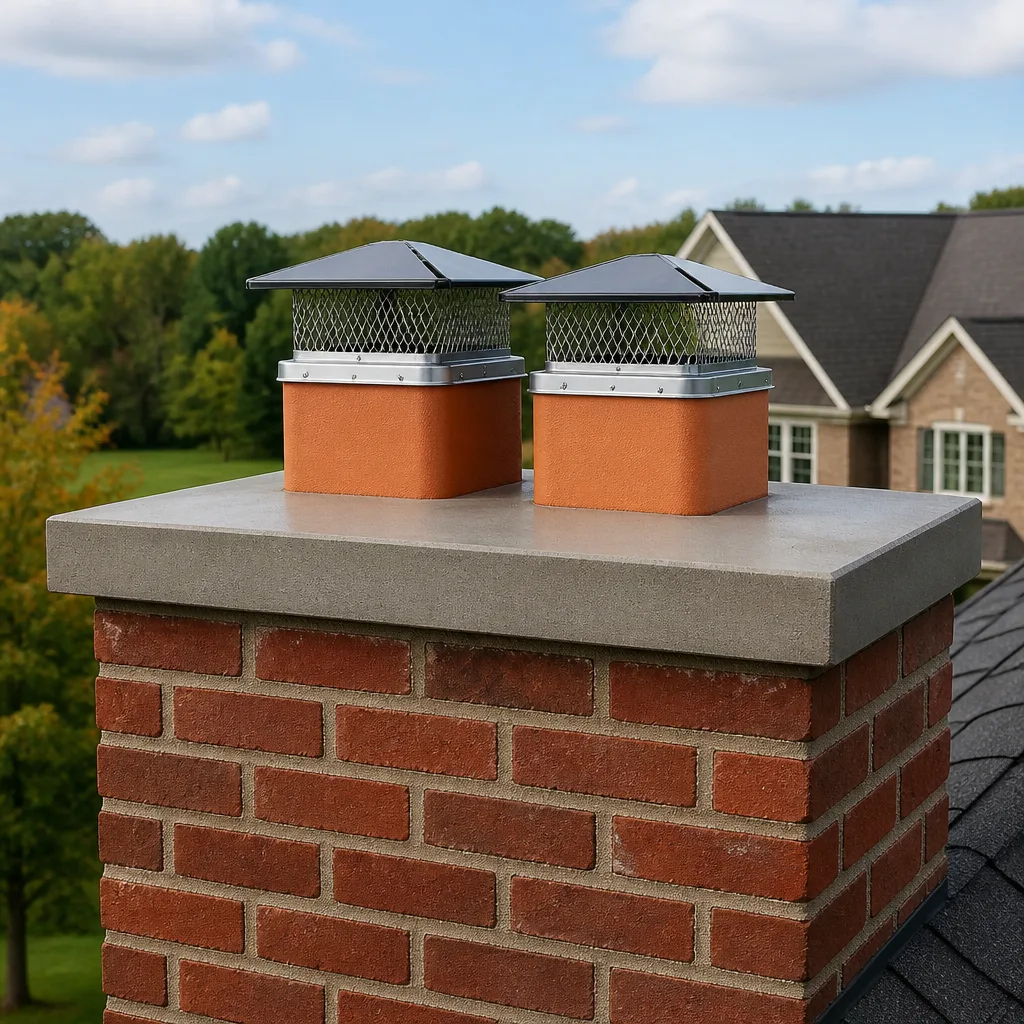 Caps & crowns
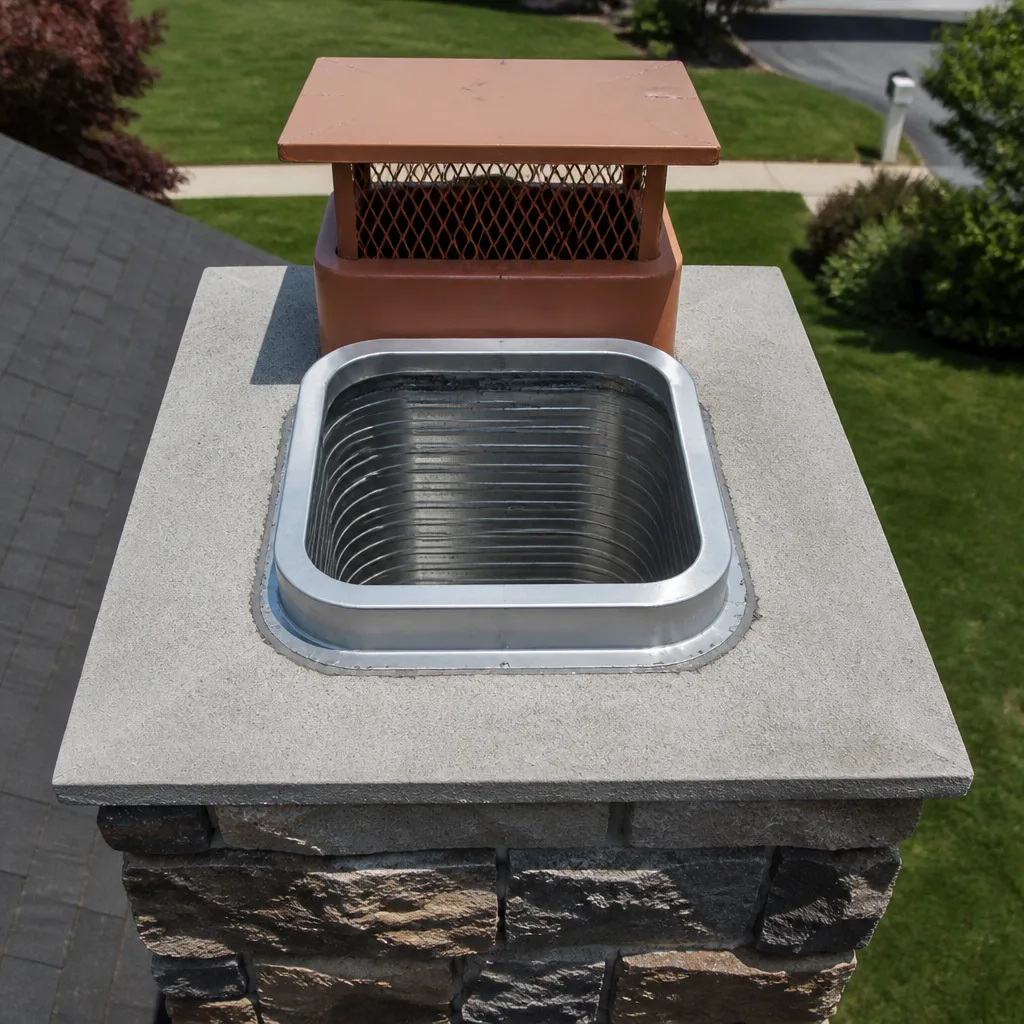 Flue relining
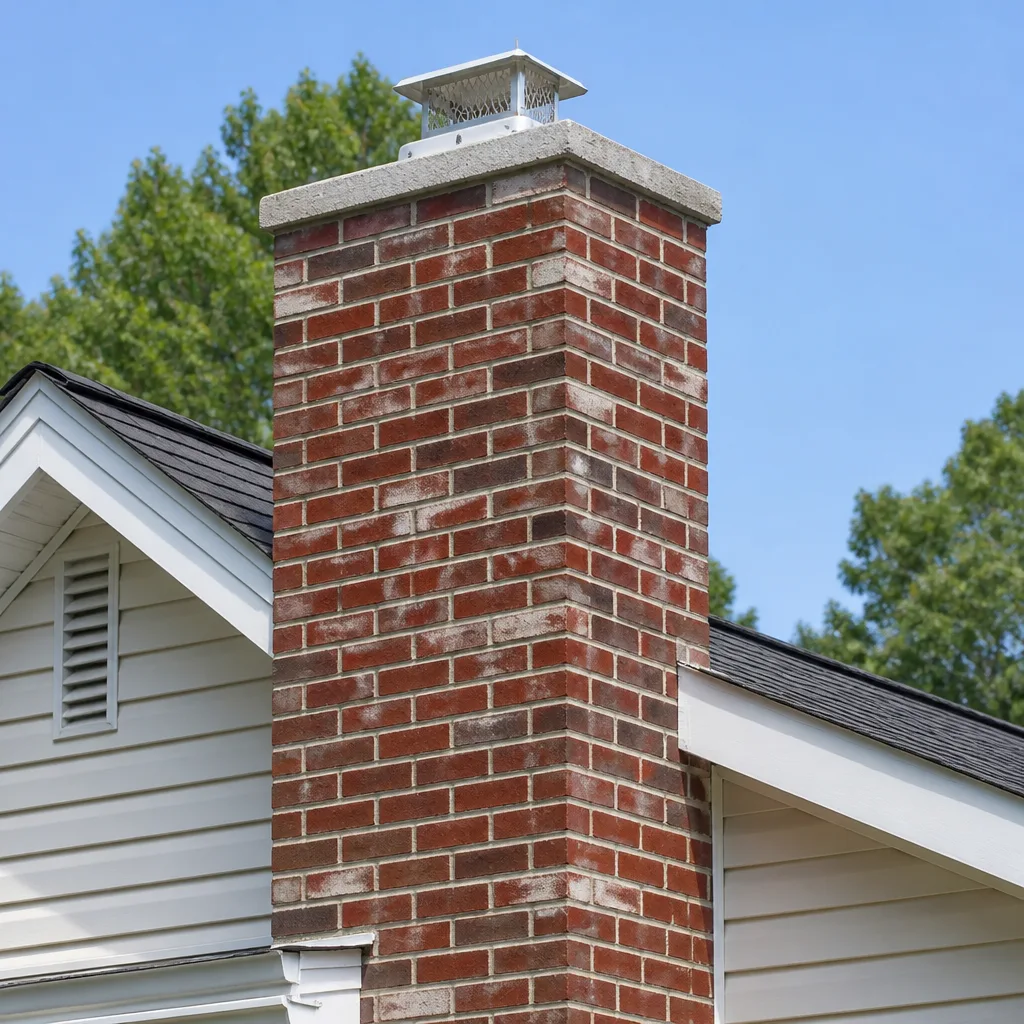 Masonry repair
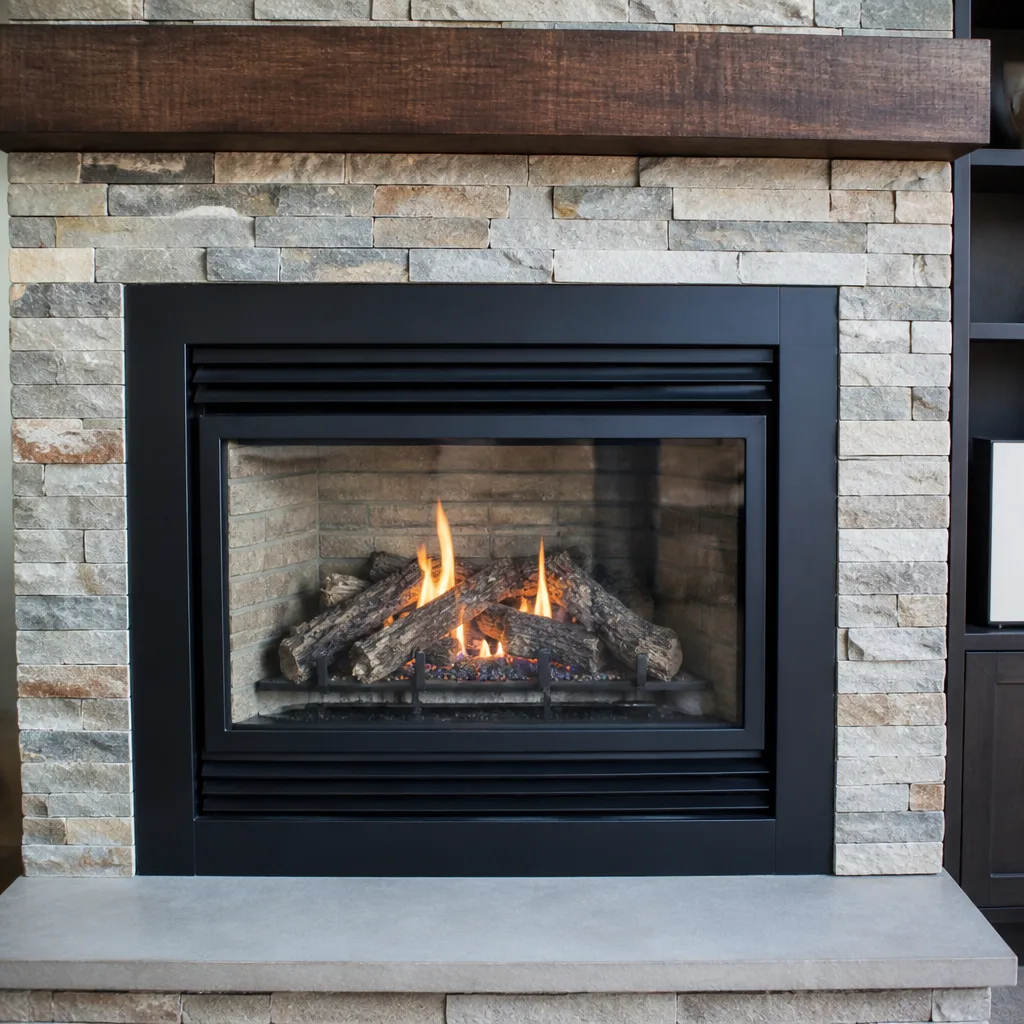 Gas fireplace service
Level 1 sweep and inspection to the NFPA 211 annual standard - flue, crown, cap, and flashing checked and photographed
Chimney sweep logs do not sweep chimneys. They loosen some creosote - which then falls where a brush and vacuum still have to collect it.
Chimney Sweep Troubleshooting in Lakewood: Common Problems and How to Fix Them
Smoke rolling into your living room after years of trouble-free fires usually isn’t a fireplace problem. It’s a pressure or draft problem, and no amount of sweeping will fix physics. That’s the part most homeowners miss when they start troubleshooting: the symptom you see and the cause you need to address are rarely in the same place. Creosote blockage, draft failure and structural damage can all produce the same smell, the same smoke and the same weak fire, yet each one has a completely different fix. This guide walks through how to read those signals the way a technician does, with the elevation and climate details that actually matter in Lakewood.
Quick Answer
Most chimney problems in Lakewood fall into three buckets: airflow and draft failure, creosote buildup, or structural damage to the flue, crown or masonry. The right fix depends entirely on which one you have, and the symptoms overlap enough that a camera inspection is the only reliable way to tell them apart. Cleaning solves a blockage, a liner or cap adjustment solves a draft problem, and repointing or relining solves structural damage. Matching the correct cause to the correct repair is what prevents you from paying for the same problem twice.
Styles & brands we work with
- Sweep & inspection
- Caps & crowns
- Flue relining
- Masonry repair
- Gas fireplace service
Table of Contents
- The Three Problems That Look Identical
- Why 5,400 Feet of Elevation Changes Your Chimney’s Behavior
- The Smell Test: What Each Odor Tells You
- Draft Failure vs. Creosote Blockage vs. Structural Damage
- When to Monitor the Problem vs. Stop Burning Immediately
- Why Draft Boosters and Flue Extenders Usually Make It Worse
- A Seasonal Troubleshooting Checklist for Lakewood Homes
- Common Mistakes to Avoid
The Three Problems That Look Identical
When a homeowner calls us about smoke, weak draft or an odd smell, the description rarely points to a single cause on its own. That’s because the three most common chimney problems share almost every symptom. A flue blocked by creosote, a chimney that can’t establish proper draft, and a liner that’s cracked or spalling can each produce smoke spillage, a lazy fire, a lingering odor or a smoky smell in the house on a cold morning.
The differences show up in the details, and knowing which evidence to look for is what separates a real diagnosis from a guess:
- Creosote blockage tends to build gradually. You may notice the fire getting harder to start, less heat output, and a denser, glossier deposit on the flue walls. It’s the most common cause of a sudden decline in performance after a season or two of steady burning.
- Draft failure is often intermittent. The chimney works fine on a mild day and fails on a cold, windy one, or fails when a bathroom fan or kitchen hood is running. Pressure differences and temperature inversions are the usual culprits.
- Structural damage is the one you can’t fix by cleaning. Cracked flue tiles, a failing crown, spalling brick or a deteriorated mortar joint let moisture and combustion gases move where they shouldn’t. The fire may still burn, but the system is compromised.
In our experience across Lakewood, the mistake homeowners make is treating the first symptom they notice as the whole problem. A smoky fireplace gets a cleaning when the real issue is a cracked crown letting water into the masonry. A weak draft gets blamed on a dirty flue when the cap is the wrong style for the chimney’s height. Matching symptom to cause is the whole game. Our Lakewood Chimney Sweep Experts approach is simple: we inspect before we recommend, using a camera to see what’s actually happening inside the flue rather than guessing from the firebox.
Why 5,400 Feet of Elevation Changes Your Chimney’s Behavior
Lakewood sits at roughly 5,400 feet, and that elevation changes how a chimney breathes in ways that generic troubleshooting advice rarely accounts for. At higher altitude, air is thinner, which means there’s less oxygen per cubic foot feeding a fire and less mass in the column of hot gas rising up the flue. A chimney that drafts perfectly at sea level can struggle here, and a chimney that worked last winter can start backdrafting when conditions shift.
What that means in practice for Lakewood homeowners:
- Fires need more air and often a slightly different damper position than the same fireplace would need at lower elevation.
- Draft is weaker overall, so a marginal chimney design has less margin for error. A cap that’s too restrictive or a flue that’s slightly undersized matters more here than it would elsewhere.
- Temperature swings between day and night are sharp along the Front Range, and those swings create pressure changes that can push smoke back down a cold flue.
- Cold-start backdraft is more common. The first fire of the season, or the first fire after a warm spell, is the most likely to spill smoke before the flue warms up.
This is why advice pulled from a national forum or a general troubleshooting article can steer you wrong in Lakewood. A recommendation that works at 800 feet may not hold at 5,400. Local technicians who work at this elevation every season know which symptoms point to elevation-driven draft issues versus a genuine blockage. Our technicians have up to 9 years of experience working these conditions, and that matters when a problem only shows up on cold, windy afternoons in the neighborhoods around Belmar or along the Green Mountain foothills.
The Smell Test: What Each Odor Tells You
Your nose is one of the most reliable diagnostic tools you have, if you know what each smell means. Odors from a chimney aren’t random. Different smells point to different conditions inside the system, and being able to describe what you’re smelling helps a technician zero in before they arrive.
- Sulfur or rotten-egg smell: This one deserves attention. A sulfur odor can point to a gas appliance venting incorrectly, or to combustion byproducts not leaving the system the way they should. If you have a gas fireplace or gas appliances tied into the same venting, this is a reason to stop and call for an inspection rather than keep burning.
- Burnt plastic or chemical smell: Often the sign of something foreign in the flue or firebox, or of a liner or component overheating. It can also come from debris that’s fallen in and is smoldering. This isn’t a smell to ignore, especially if it repeats.
- Musty, damp or earthy smell: This usually means moisture is getting into the chimney. A failed crown, cracked masonry, or a missing or damaged cap lets water in, and the resulting damp creosote and mortar produce that musty odor. It’s a structural signal more than a cleaning one.
- Strong smoky smell when there’s no fire: Persistent smoke odor with no fire burning often points to a draft problem pulling air back down the flue, or to heavy creosote deposits releasing odor as temperatures change.
One smell we get asked about a lot in Lakewood is the musty, damp note that shows up after a wet spring or a big snowmelt. Around here that frequently traces back to chimney cap & crown condition, because the crown is the part that sheds water and the cap is the part that keeps it out of the flue. When either one fails, the smell is the first thing you notice. If a smell is accompanied by headaches, dizziness or nausea, treat it as a carbon monoxide concern and get everyone out of the house and call for help before doing anything else.
Draft Failure vs. Creosote Blockage vs. Structural Damage
Telling these three apart is the core skill in chimney troubleshooting, and it’s where a structured approach pays off. Rather than reacting to the symptom, work through the possibilities in order. Here’s how a technician thinks about it:
- Start with what changed and when. Did the problem appear suddenly or gradually? A sudden change after a long stretch of normal burning points toward a blockage or a new obstruction (a bird nest, fallen debris, a shifted cap). A gradual decline points toward creosote accumulation or slowly worsening draft conditions.
- Test the draft behavior. Does the chimney fail only in certain weather, only when other exhaust fans run, or every time you light a fire? Weather-dependent and fan-dependent failure is almost always pressure and draft, not blockage. Consistent failure regardless of conditions suggests a physical obstruction or a design problem.
- Look for moisture evidence. Water stains, efflorescence (the white powdery residue on masonry), rust on the damper or firebox, or a musty smell all point to structural and water-intrusion problems rather than a simple cleaning issue.
- Confirm with a camera inspection. This is the step that settles it. A camera run through the flue shows creosote thickness, cracked tiles, gaps at joints and any obstruction directly. It’s the difference between a diagnosis and a guess.
Structural damage is the category homeowners most often misread as a cleaning problem. A spalling flue liner or a cracked crown won’t show up in how the fire burns until it’s advanced, so the fire seems fine while the system quietly degrades. That’s why we don’t recommend work based on the symptom alone. We inspect before we recommend, and we show you what the camera sees so the recommendation matches the evidence. Our chimney sweep service always includes that inspection step rather than a sweep-and-go visit.
When to Monitor the Problem vs. Stop Burning Immediately
Not every chimney problem is an emergency, and part of good troubleshooting is knowing the difference. Some issues can be watched and scheduled for a routine visit. Others mean the fireplace should stay cold until a technician has looked at it. Getting this wrong is how a manageable problem becomes an expensive one.
Stop burning and call for an inspection right away if you notice any of the following:
- Smoke that won’t clear and keeps backing into the room even after the flue should be warm.
- A sulfur or chemical smell, or any odor that comes with headaches, dizziness or nausea.
- Visible cracks in the firebox, flue tiles or masonry, or pieces of material falling into the firebox.
- Rust or heavy water staining on the damper, firebox or chimney exterior.
- A fire that behaves differently than it used to, with no obvious explanation.
- Any sign of a chimney fire, past or present: puffy creosote, discolored metal, cracked tiles, or a loud roaring sound during a burn.
Problems that can usually be monitored and scheduled for a regular visit include a slightly smoky smell on cold mornings before the flue warms, minor draft trouble that resolves once the fire is going, and cosmetic wear on the exterior masonry without moisture getting in. Even in those cases, the right move is to book an inspection so you know what you’re monitoring. And there’s a seasonal urgency in Lakewood that’s easy to forget: the smart time to address a chimney issue is before burning season starts, not in the middle of a cold snap when the fireplace is the only warm room in the house. Getting ahead of it means the system is ready when you need it.
Why Draft Boosters and Flue Extenders Usually Make It Worse
Draft boosters, flue extenders and add-on caps are popular DIY fixes because they promise to solve smoke problems without a technician visit. In our experience, they more often mask the real issue than resolve it, and sometimes they make it harder to diagnose later. A booster fan pushes air up the flue, but if the underlying problem is a cracked liner letting gases escape or a crown letting water in, the booster just hides the symptom while the damage continues.
A flue extender is a similar story. It adds height to the chimney to improve draft, which can genuinely help in some cases. But it’s solving a symptom, not the cause. If the real problem is that the flue is undersized for the fireplace, or that the cap is the wrong style for the chimney’s location, an extender can create new pressure problems while leaving the original issue in place. Worse, an add-on that isn’t matched to the system can interfere with how the flue vents, which matters more at Lakewood’s elevation where there’s less draft margin to begin with.
We’ve also seen caps installed as a quick fix that ended up restricting airflow and causing backdraft. A cap is a genuinely valuable part of the system when it’s the right one for the chimney, and a poor fit creates a problem where there wasn’t one. Professional-grade components from brands like Famco and Gelco are designed to work with the system rather than against it, and they’re installed to match the chimney’s actual dimensions and draft needs. The DIY trap isn’t that these products are bad. It’s that a fix applied to the wrong cause just moves the problem somewhere else. Fix the cause, and the symptom goes away for good.
A Seasonal Troubleshooting Checklist for Lakewood Homes
A little structured checking each season catches most problems before they turn into repairs. This checklist is what we’d walk a homeowner through if they wanted to keep an eye on their own system between professional visits.
- Before the first fire of the season: Look up into the firebox with a flashlight. Check for animal nests, debris, cracked tiles and heavy creosote. Open and close the damper to confirm it moves freely.
- Check the cap and crown from the ground: A cracked crown, a missing cap or a cap that’s rusted or clogged is the most common source of water problems. Note anything that looks damaged or shifted.
- Watch the first fire closely: Does smoke go up the flue or spill into the room? How quickly does the draft establish? A fire that needs the damper at a different position than last year is telling you something has changed.
- Schedule a sweep and inspection before burning season: A fireplace repair or a cleaning done in advance is far better than a mid-winter scramble. The camera inspection confirms what’s actually going on inside the flue.
- After the season ends: Look for water stains on the exterior masonry and around the firebox, and check that the cap is still secure after a winter of snow and wind.
This checklist won’t replace a professional inspection, but it will help you notice a change early. And noticing early is most of the battle. If something on the list turns up a genuine concern, that’s the moment to call rather than wait.
Common Mistakes to Avoid
- Treating every smoke problem as a cleaning problem. Smoke backing up can be a draft issue, a structural issue or a pressure issue. Assuming it’s creosote and skipping the inspection means the real cause stays hidden. Our approach is to inspect before recommending anything.
- Ignoring a smell that’s new. A sulfur or chemical odor deserves a professional look, especially in a Lakewood home with gas appliances sharing the venting. Dismissing it as “just a fireplace smell” is a risk that’s not worth taking.
- Adding a draft booster or flue extender without a diagnosis. These products can help a specific problem but mask others. Installing one before you know the cause usually means the original issue keeps getting worse underneath.
- Burning through a damaged liner. A cracked flue tile or a compromised liner lets combustion gases and heat escape into the structure. If you suspect damage, stop burning until it’s inspected.
- Skipping the cap because the chimney “worked fine” without one. A missing or damaged cap is one of the leading causes of water intrusion in Lakewood, and water is what drives most masonry decay along the Front Range.
- Waiting until the middle of a cold snap. The best time to find and fix a chimney problem is before burning season, not during the one week the fireplace matters most.
See the difference
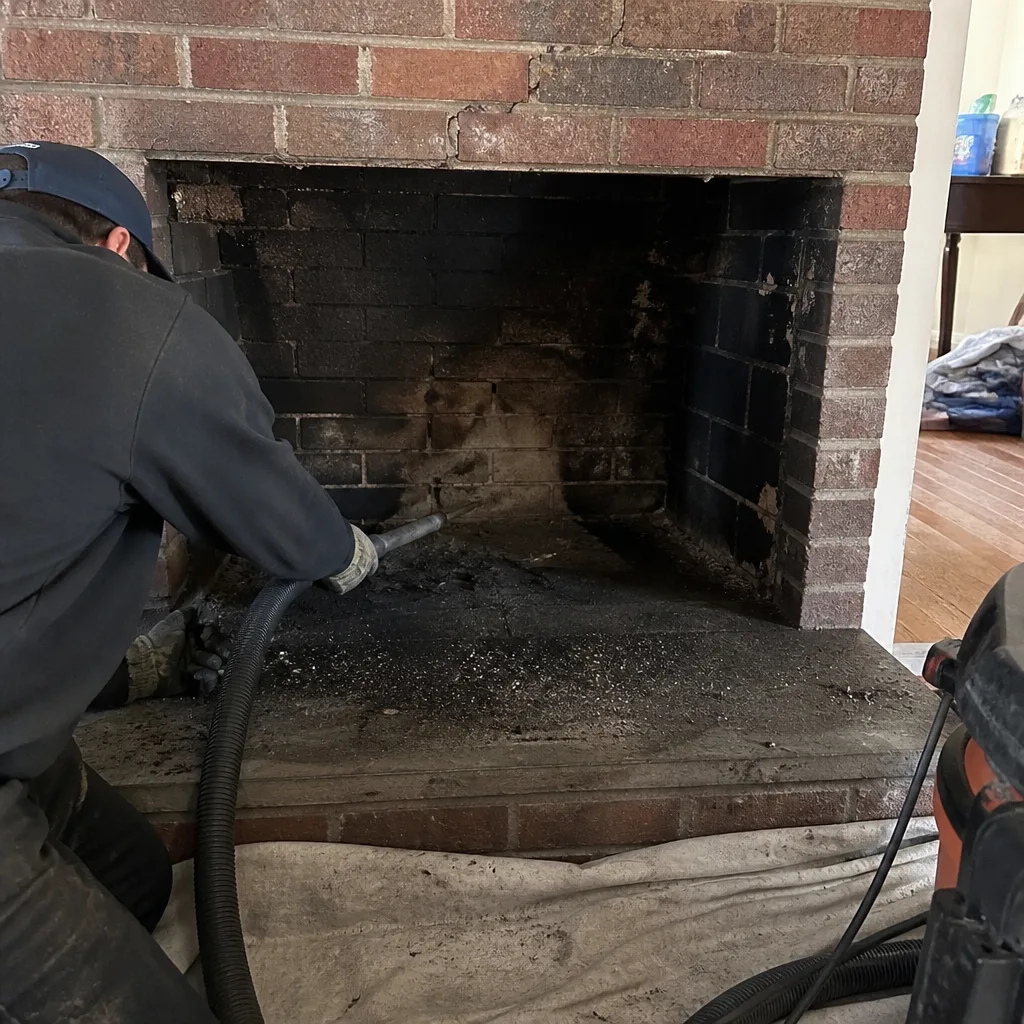 Before
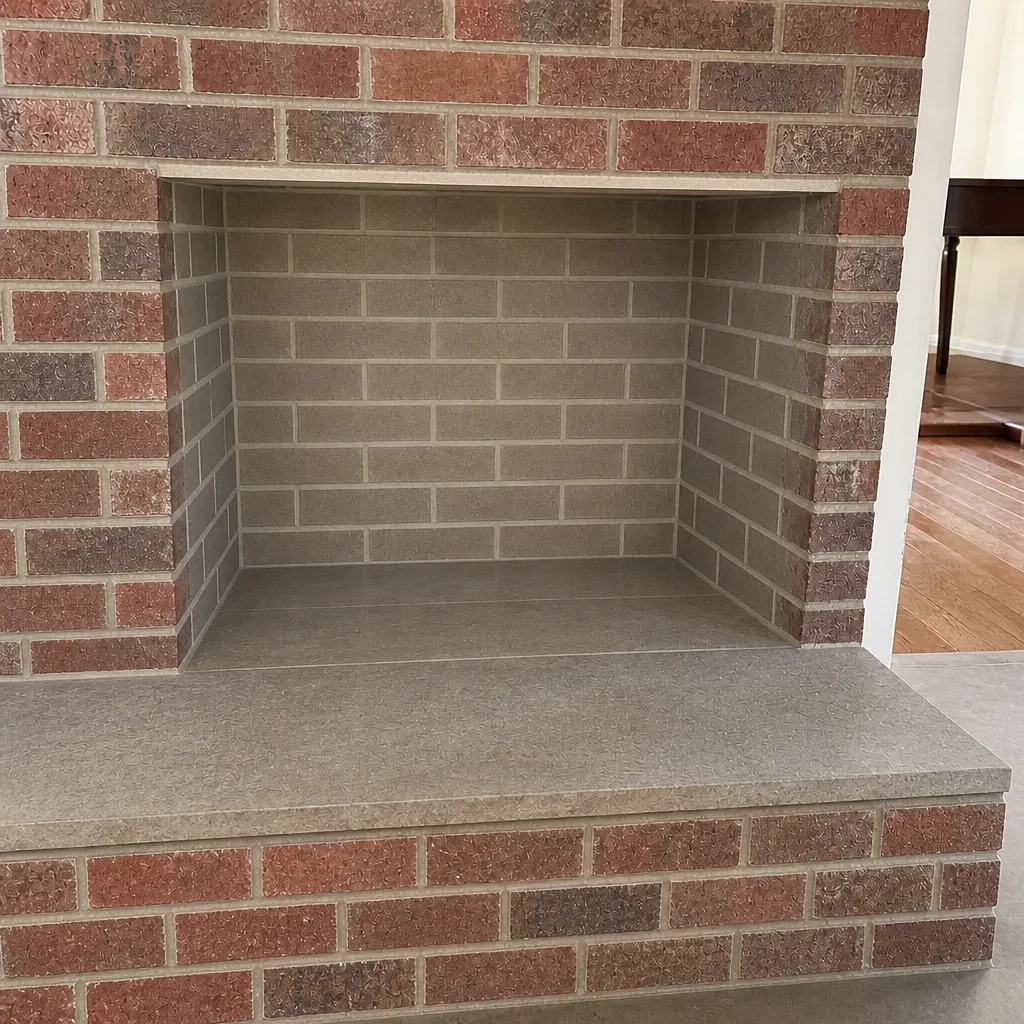 After
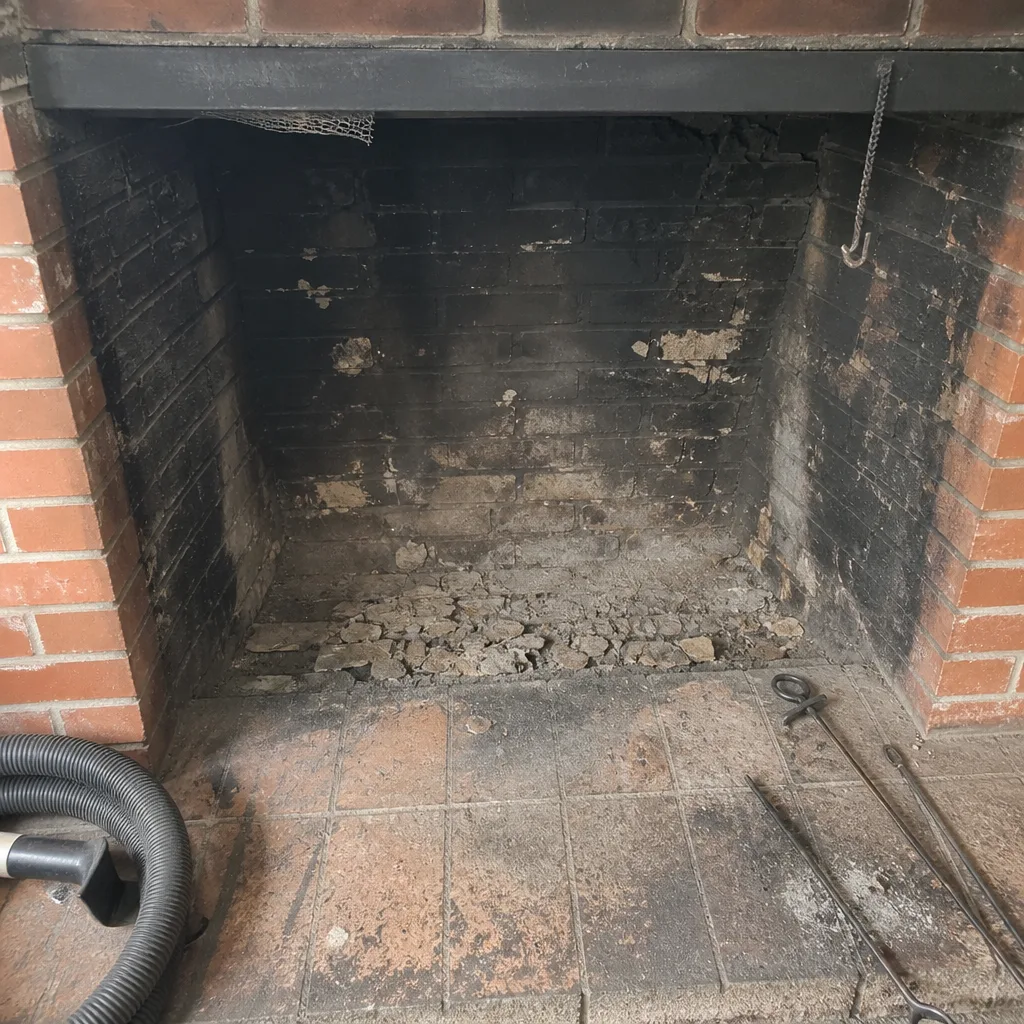 Before
 After
 Before
 After
When to Call a Professional
Some signals mean it’s time to put the phone in a technician’s hands. Call if smoke won’t clear even when the flue is warm, if a sulfur or chemical smell appears, if you see cracks or falling material in the firebox or flue, or if you suspect a past chimney fire. Also call if your draft problems are intermittent but persistent, since those are the ones that are hardest to self-diagnose and the most likely to point to a pressure or structural cause. A proper inspection with a camera settles the question, and it’s the difference between fixing the cause and reacting to the symptom. Lakewood Chimney Sweep Experts offers free estimates in Lakewood. Call (855) 964-4542. We answer 24/7. Fast dispatch from 7am to 7pm, Sunday through Friday.
Frequently Asked Questions
Smoke backing into the room is almost always a draft or pressure problem rather than a sudden cleaning issue. Something has changed the airflow: a new exhaust fan, a house that’s been tightened up, a shift in the cap, a build-up that’s reached a critical thickness, or a change in how the flue is venting. A camera inspection is the fastest way to see which one it is. Call (855) 964-4542 for an exact quote. Estimates are free.
A creosote blockage tends to develop gradually and shows up as a fire that’s harder to start and gives off less heat. A structural problem often shows up as moisture evidence such as water stains, rust or a musty smell, or as cracks in the flue or firebox. The two can overlap, which is why a professional camera inspection is the reliable way to tell them apart. Call (855) 964-4542 to book an inspection.
Yes. At higher elevation, there’s less oxygen per cubic foot and less mass in the rising gas column, so draft is weaker and the system has less margin for error. That makes a marginal cap, a slightly undersized flue or a small obstruction more noticeable in Lakewood than it would be at lower elevation. Generic advice from sea-level sources often doesn’t hold here.
It depends on the smell. A sulfur or rotten-egg odor, or any odor that comes with headaches or dizziness, means stop using the fireplace and call for an inspection right away. A musty or damp smell usually points to water getting in through a failed crown or cap. Call (855) 964-4542 and we’ll help you interpret what you’re noticing.
You can, but it often masks the real cause rather than fixing it. A booster or extender addresses a symptom, and if the underlying issue is a damaged liner, a wrong-sized cap or a water problem, the damage keeps progressing. A proper diagnosis first, then the right fix, is the way to solve it once. Call (855) 964-4542 for a free estimate.
It’s generally safe to keep burning if the only symptom is a slight smoky smell on cold mornings before the flue warms, or minor cosmetic wear without moisture getting in. Stop burning if you see cracks, falling debris, rust, water staining or any sign of a past chimney fire, and call for an inspection. Call (855) 964-4542 to schedule.
The Bottom Line
The reason chimney troubleshooting goes wrong is that the three main problems, draft failure, creosote blockage and structural damage, all look the same from your living room. Matching the symptom to the real cause is the skill that saves you from paying for the same fix twice. In Lakewood, elevation adds a layer most generic advice ignores, and that alone is a good reason to have a local technician look before you act. We inspect before we recommend, show you what the camera sees, and use professional-grade components from brands like HeatShield and Olympia Chimney so the repair is built to last the season and the next one. One call covers it: sweep, inspect, repair, protect.
If you’re not sure whether what you’re noticing is a symptom worth acting on, call (855) 964-4542 for a free estimate and a straight answer. Your chimney system, not just your flue, is what we look at.
Written by the team at Lakewood Chimney Sweep Experts.