
Last updated November 23, 2026
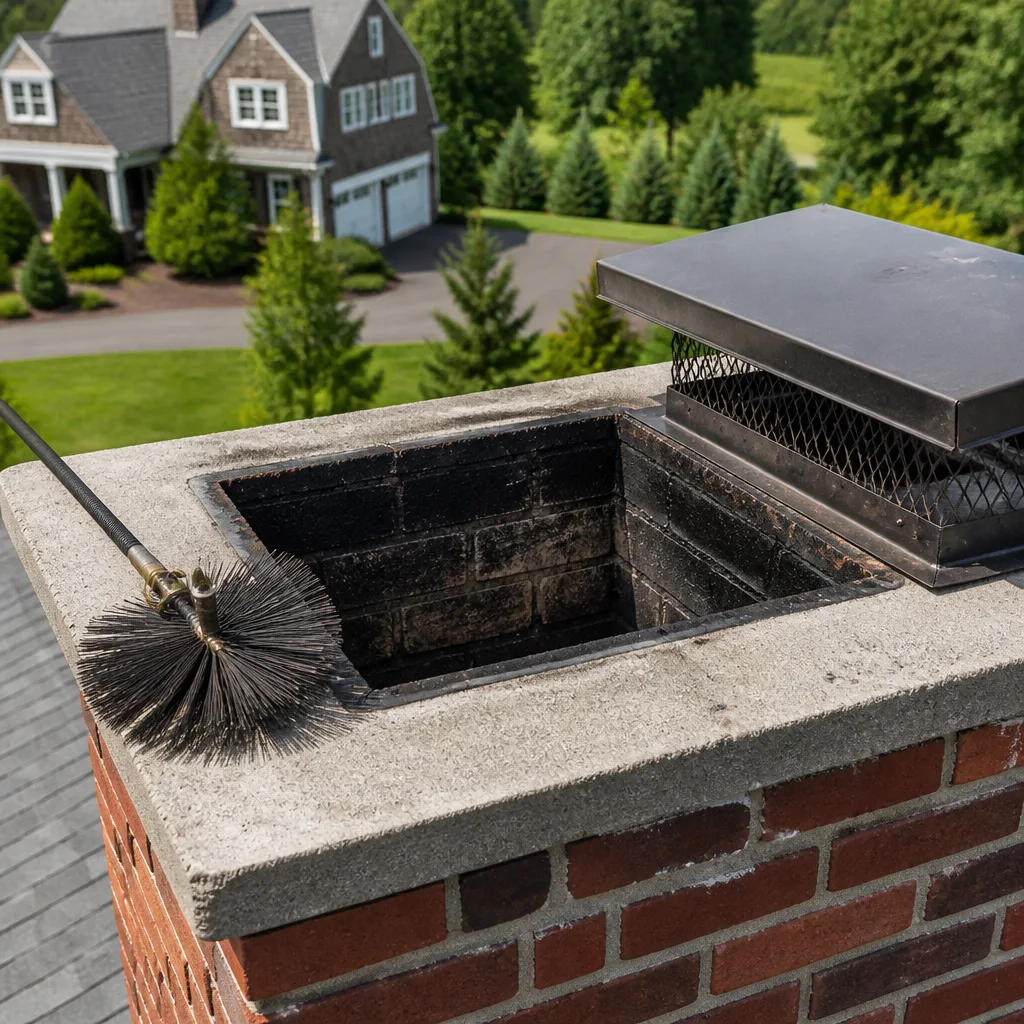 Sweep & inspection
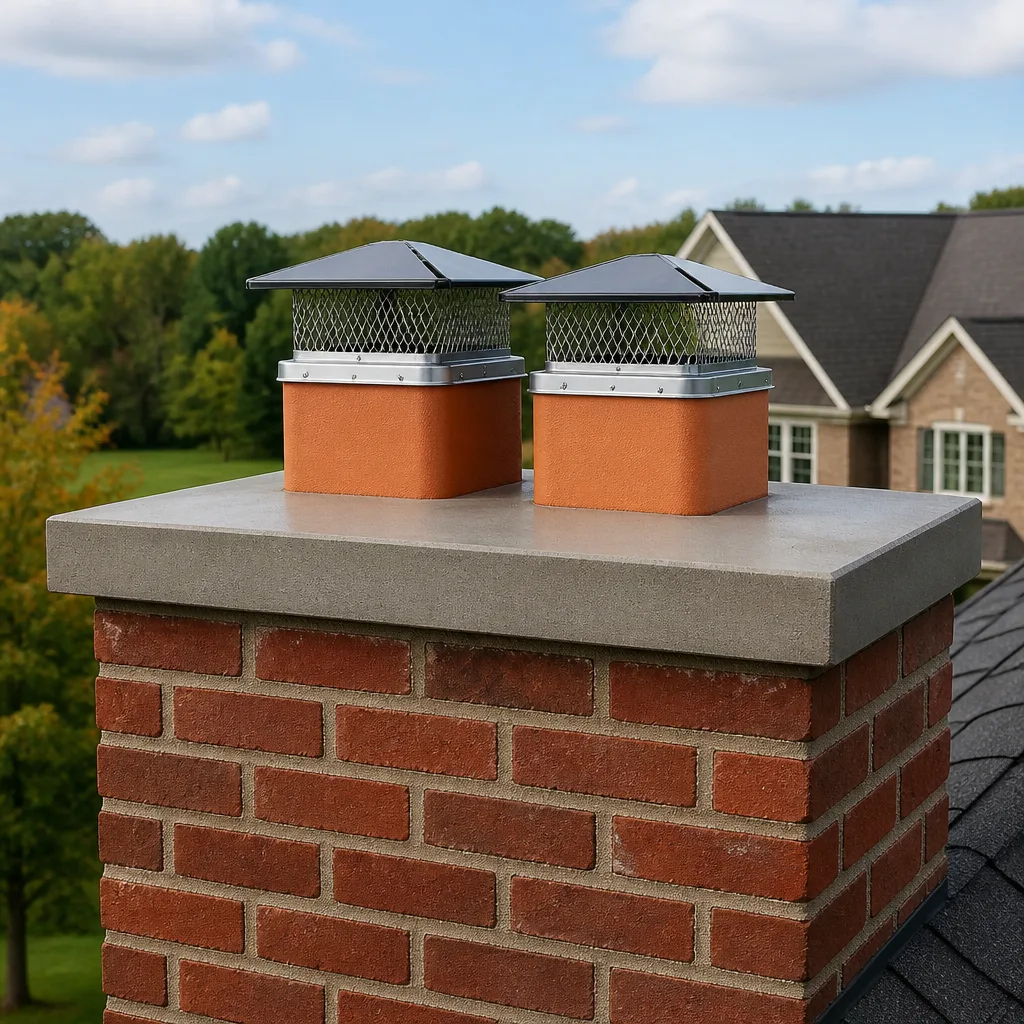 Caps & crowns
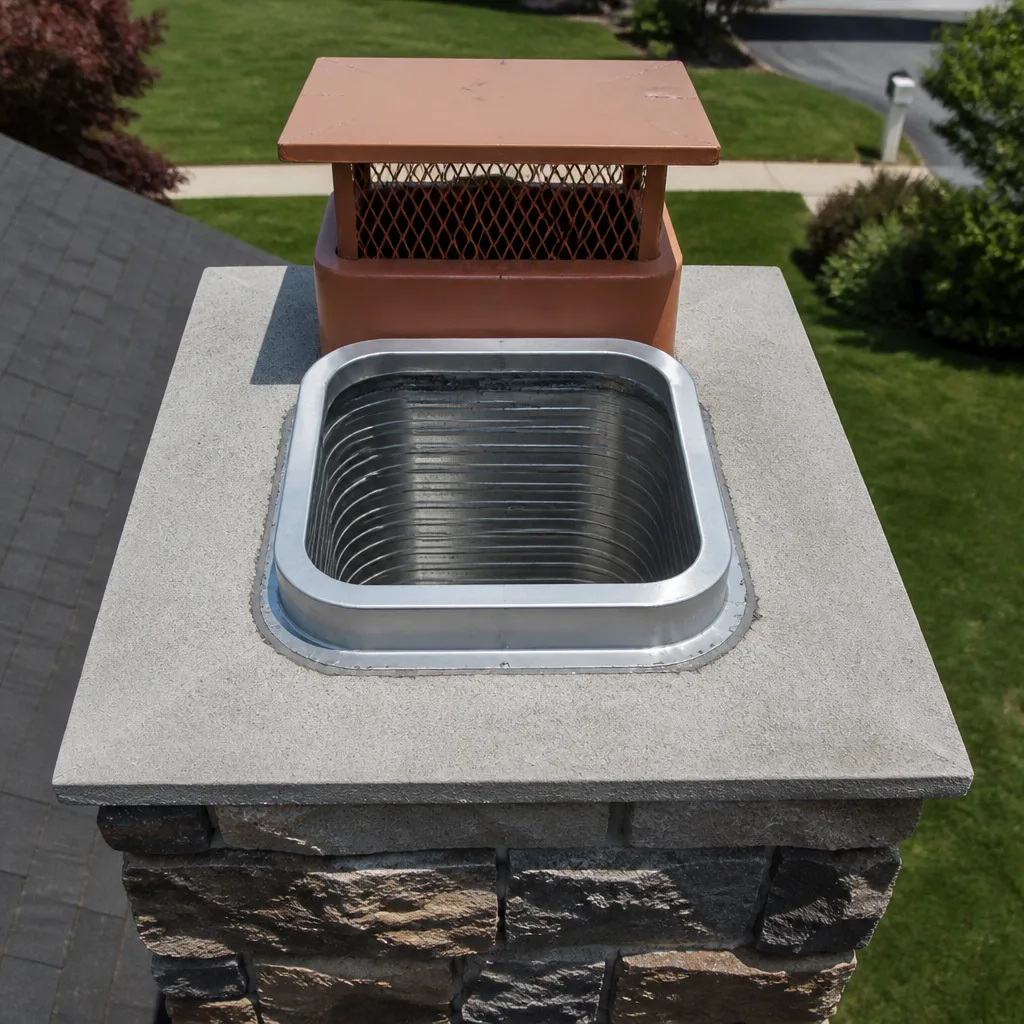 Flue relining
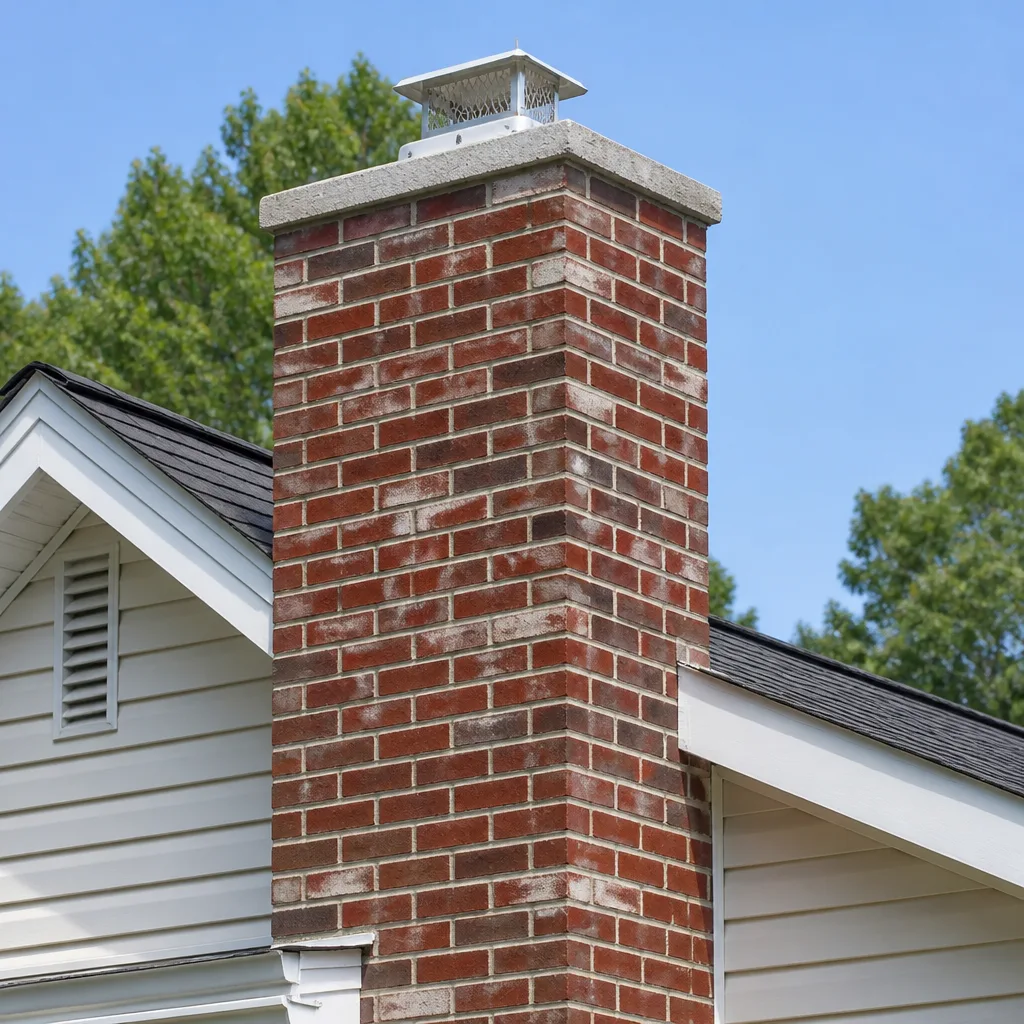 Masonry repair
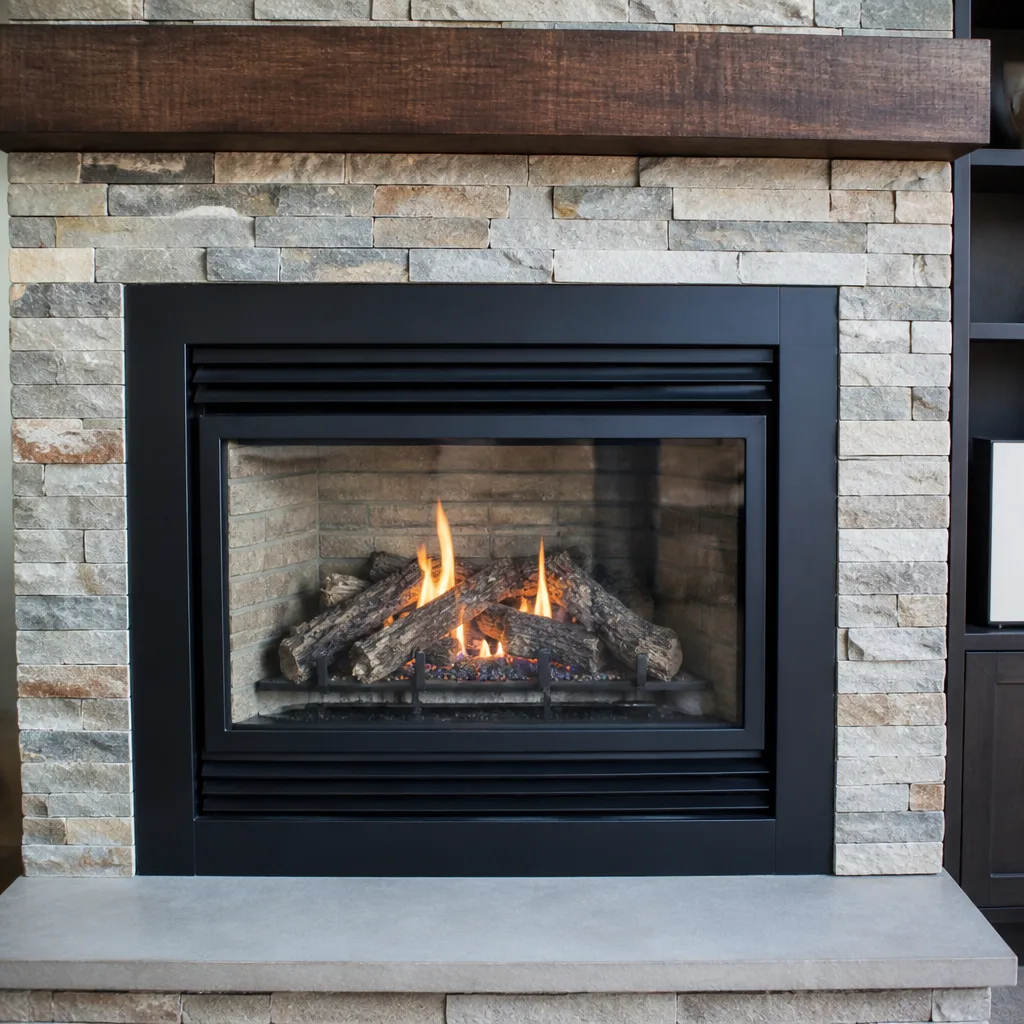 Gas fireplace service
Level 1 sweep and inspection to the NFPA 211 annual standard - flue, crown, cap, and flashing checked and photographed
Chimney sweep logs do not sweep chimneys. They loosen some creosote - which then falls where a brush and vacuum still have to collect it.
Choosing the Right Chimney Cleaning Brand: A Buyer’s Guide for Lakewood
Two chimney caps can look identical on a quote and still be separated by a decade of service life. The difference comes down to gauge thickness, finish type, and whether the contractor specifying them understands what Lakewood’s freeze-thaw cycles do to metal and masonry over a few winters. Most homeowners compare the cleaning price and never ask what goes into the system afterward. That’s the gap this guide fills. We’ll walk through the product categories where brand quality actually changes the outcome, which names are worth knowing, and how to ask your contractor about materials without it feeling like an interrogation.
Quick Answer
The right chimney cleaning brand is the one your contractor can name, justify, and install to the manufacturer’s spec – and the mark of a good contractor is that they volunteer this information before you ask. Professional-grade brands like DuraFlex, HeatShield, and Gelco earn their reputation because their systems are engineered for specific climates and carry warranties that depend on certified installation. A generic product from a hardware store may fit the same flue, but it won’t hold up the same way under Colorado’s thermal cycling.
Styles & brands we work with
- Sweep & inspection
- Caps & crowns
- Flue relining
- Masonry repair
- Gas fireplace service
Table of Contents
- Why the brand on the box matters more than you think
- The four product categories where brand quality changes the outcome
- What the leading brands are actually known for
- Lakewood’s climate and why material specs must match it
- How material choice connects to warranty validity
- How to ask your contractor about materials
- Sweep-only versus full-service: why the brand portfolio tells you
- Common mistakes to avoid
Why the brand on the box matters more than you think
When a chimney contractor specifies a liner, a cap, or a mortar repair compound, they’re making a decision that will outlast the visit. That decision rides on the product’s chemistry, its manufacturing tolerances, and whether the manufacturer has tested it in conditions similar to ours. A cap built from light-gauge steel and spot-welded corners handles wind the same as a heavier cap for the first year or two. After several Lakewood winters, the difference shows up as rust creeping along seams, fasteners working loose, and the cap starting to flap instead of shedding water.
We’ve watched this play out with liners too. A builder-grade flexible liner that meets minimum code can pass inspection on install day. It’s the cycling that gets it. Each heating season, the liner expands with heat and contracts when the fire dies, and every cycle moves it a tiny amount inside the flue. A liner with a tested, consistent wall thickness handles that movement. A thinner one can develop kinks, separations, or pinching at offsets. Both looked fine on the quote.
The brand is a proxy. It signals the contractor’s standards. A sweep who specifies DuraFlex or HeatShield is telling you they’ve chosen a system they trust to hold up over the next two decades, not just the next inspection cycle. That’s a tell you can read from the estimate.
The category runs wider than liners. Caps, crowns, dampers, mortar repair compounds, and waterproofing sealants each have a professional tier and a builder tier. When you’re comparing estimates for Lakewood Chimney Sweep Experts services or any contractor, ask which tier they’re working in.
The four product categories where brand quality changes the outcome
Most homeowner confusion comes from treating chimney products as interchangeable parts. They aren’t. These four categories drive nearly every long-term repair decision, and each one rewards knowing the brand landscape.
1. Flexible and rigid liner systems
The flue liner is the chimney’s working part. It moves flue gases up and out and protects the surrounding structure from heat and creosote. A liner from a manufacturer like DuraFlex is built to a tested specification for wall thickness and joint integrity, and it’s designed to be installed as a complete system rather than pieced from whatever sits on the shelf. The upfront difference between a professional liner and a generic one can look modest. The difference in service life is not.
2. Chimney caps
A cap blocks rain, birds, and downdrafts, and it needs to be heavy enough to hold its shape under wind and stiff enough that the screen doesn’t sag into the flue. Gauge thickness, welded versus riveted construction, and finish type (powder coat versus paint) are the three specs that tell you whether a cap will still be doing its job after several summers of UV exposure and several winters of snow load. chimney cap & crown work done with stamped sheet-metal caps is not the same job as work done with a properly specified cap.
3. Mortar repair and resurfacing products
Mortar repair compounds have to bond to old, sometimes damp, masonry and then flex with the wall through freeze-thaw. A generic mortar patch can crack within a season at the joint. A resurfacing system like HeatShield is engineered to adhere to the existing flue surface and cure to a hard, smooth finish that meets the same performance standard as a new liner. The difference in outcome often comes down to whether the contractor has the training to apply the material – which we’ll cover below.
4. Waterproofing sealants
Water is the single most destructive thing a chimney faces in Lakewood. A breathable masonry water repellent lets moisture vapor escape while keeping liquid water out. An ordinary paint or clear sealant traps vapor in the brick, and the trapped water pries the surface apart during freeze-thaw. The brand and formulation matter – a professional-grade water repellent with a vapor-permeable chemistry is a different product, not just a more expensive one.
What the leading brands are actually known for
It helps to know roughly who does what. This isn’t a ranking, just a landscape guide so you can recognize the names when they come up.
- HeatShield is known for liner resurfacing rather than replacement – an approach that restores a deteriorated flue without a full tear-out, and one that only trained applicators can apply.
- DuraFlex is known for flexible and rigid liner systems engineered to industry specs, with a wall thickness that resists cycling.
- Gelco is known for crown and cap sealing and repair materials – products that help stop the water intrusion that erodes crowns.
- Olympia Chimney is known for liner and venting systems with tested venting performance across fuel types.
- Famco is known for dampers, caps, and chimney components built for durability.
- Copperfield is known for caps and accessories in copper and stainless, where finish type drives lifespan.
When a contractor can name a system and explain why they chose it for your particular flue, that’s the signal you want. When they say “we use whatever’s available” or can’t tell you the manufacturer, that’s the signal to ask more questions before you sign. In our experience, the contractors who specify professional brands do so because they’ve seen what the alternatives cost homeowners down the road.
You can see this in how a proper chimney sweep inspection gets done. The inspection isn’t the brand, but it’s where the brand recommendation starts.
Lakewood’s climate and why material specs must match it
Materials built for a mild coastal climate don’t perform the same way here. Lakewood sits at altitude, where winter temperature swings push masonry through freeze-thaw cycles repeatedly, and where high-altitude UV exposure drives fade, chalking, and finish breakdown on anything exposed. Those cycles are the reason a generic product can pass a code check and still fail within a few seasons.
Here’s what a Lakewood-savvy contractor accounts for that a generic one often doesn’t:
- Thermal cycling of the flue – a liner that expands slightly differently from the surrounding masonry at each fire will loosen one of two things. Professional systems are made for that movement; generic ones aren’t.
- Freeze-thaw on the masonry crown – a crown that holds water is a crown that cracks. That’s why chimney cap & crown work uses proper sealant and a crown mix designed for outdoor masonry, not interior mortar.
- Solar exposure on caps and flashing – stainless steel and copper handle decades of UV and moisture better than painted steel caps. The finish is the spec, not the look.
- Snow load – a cap that’s thin-gauge can bend or sag under wet snow, and once it’s off-center, it no longer blocks rain properly.
- Draft swings from altitude – air pressure and flue geometry interact differently up here. Venting systems from brands like Olympia are tested for variable-pressure performance; generic venting sometimes isn’t.
The takeaway is not to memorize a spec sheet. It’s that the contractor’s choice of brand reflects whether they’ve done the work of matching materials to our climate. Ask them directly what they’d recommend for a Lakewood chimney and why. The confident answer is usually specific.
How material choice connects to warranty validity
A chimney liner installed by an untrained contractor using a good product can still void the manufacturer’s warranty. That’s the piece most homeowners miss. Many liner and resurfacing systems require certified installers using approved components, and a warranty claim under those terms only pays if the installation followed spec.
That means the brand question is really two questions:
- Which brand is being used?
- Is the installer certified to install that brand, and will the paperwork reflect it?
HeatShield is a good example. The system is applied by trained applicators working to a specific regimen, and a resurfacing job done outside that training will tend not to hold up. The certification isn’t just a label – it’s your assurance that the work was done the way the manufacturer will recognize if it ever needs to be claimed. When a contractor spec’s DuraFlex or Olympia, the same principle applies: follow the manufacturer’s installation instructions and you get the warranty; deviate and you don’t.
Ask the contractor before you book: “Which product system are you proposing, and are you certified to install it? Will the warranty paperwork come through in the manufacturer’s name?” A knowledgeable answer covers all three. A vague one tells you what you need to know.
This is also a natural place to mention fireplace repair, since many repair jobs turn on whether the internal components meet the same standard as the liner.
How to ask your contractor about materials
Most homeowners worry about asking “the wrong question” and embarrassing themselves or the contractor. In practice, the opposite is true. A contractor who knows their materials welcomes the question, and a contractor who doesn’t will try to move past it. Here’s a simple framework to keep it comfortable and useful.
Step 1: Ask what they’re proposing, not what’s cheapest
“What are you proposing for my chimney, and what’s it made of?” If they answer with a system name and a reason, you’re in good territory. If they answer with a price and nothing else, ask again.
Step 2: Ask why this brand for this house
“Why this product for my flue, and what would make you choose a different one?” A confident contractor will name specific factors – your flue’s interior, its offsets, your fuel type, and how the material handles Colorado’s cycles. This is also where they’ll say things like “if your flue had a different liner geometry I’d spec the other system.” A vague answer is the tell.
Step 3: Ask about certification
“Are you certified to install this brand, and will the warranty be in the manufacturer’s name?” The answer should be yes to both. If they hedge, get the details in writing.
Step 4: Ask about the installation spec
“How do you follow the manufacturer’s installation spec?” A professional will walk through the steps – insulation, sealing at the top and bottom, testing after install. A contractor working without a spec may not have a clean answer.
Step 5: Ask what happens after the install
“What does the warranty cover, and how long does it run?” You’ll want the answer documented in your written estimate.
None of these questions is confrontational. They’re the same questions you’d ask a mechanic about a transmission or a roofer about shingles. A good contractor is fluent in them. A contractor using a generic product will have to explain why, and the explanation usually isn’t strong.
Sweep-only versus full-service: why the brand portfolio tells you
There’s a practical way to sort contractors before you even book: look at the brands they list and the work they do. A sweep-only company often lists one or two consumer brands because their work stops at the brush. A full-service contractor lists systems that cover the whole chimney lifecycle – liners, resurfacing, caps, crowns, sealants – because they do the work that needs those products.
That’s the model we work in at Lakewood Chimney Sweep Experts. We inspect before we recommend, and our portfolio includes professional-grade systems like DuraFlex for relining, HeatShield for liner resurfacing where replacement isn’t yet necessary, and Gelco for crown and cap sealing. We also offer the full lifecycle from inspection through fireplace repair and structural chimney repair, so a recommendation for a specific system doesn’t hand you off to a second contractor.
The HeatShield capability is a good example of why the portfolio matters. A sweep-only company often can’t resurface a deteriorating liner; their only option is to recommend replacement. That’s a bigger job and a bigger bill. A resurfacing approach can restore a compromised flue without a full tear-out, and it’s only possible when the contractor has the training. That’s a fact worth knowing when you’re comparing estimates, because two quotes that both say “liner” may be solving different problems.
You can see what a full-service inspection looks like on a chimney sweep visit. The evaluation is what drives the material recommendation, and the recommendation should always tell you whether work can safely wait or needs to happen this season.
Common Mistakes to Avoid
- Comparing quotes on price alone. Two quotes that differ by a few hundred dollars using two different product tiers are not the same quote. Read the product line before you compare the bottom line.
- Not asking who the manufacturer is. A contractor who can’t name the brand is a contractor who doesn’t have a brand relationship. That’s the gap most homeowners miss.
- Assuming “professional grade” means the same thing everywhere. Some materials are labeled professional but aren’t designed for our freeze-thaw cycling. Ask why this product for Lakewood’s climate specifically.
- Letting a sweep-only company recommend against resurfacing. If a sweep-only crew says your liner needs full replacement, get a second opinion from a contractor who works with resurfacing systems. The right answer may be smaller than the first quote suggested.
- Skipping the warranty paperwork. A warranty that isn’t registered and documented doesn’t protect you. Ask for the manufacturer’s name and the certification terms in writing before the work begins.
- Assuming a cap is a cap. Light-gauge and heavy-gauge caps look similar on a quote. Snow load, wind, and UV will separate them within a few winters.
- Waiting until the problem is structural. Material choices made at the first sign of wear cost less than ones made after water has reached the masonry. If a contractor can’t tell you what your current system is, get an inspection before it’s the next problem.
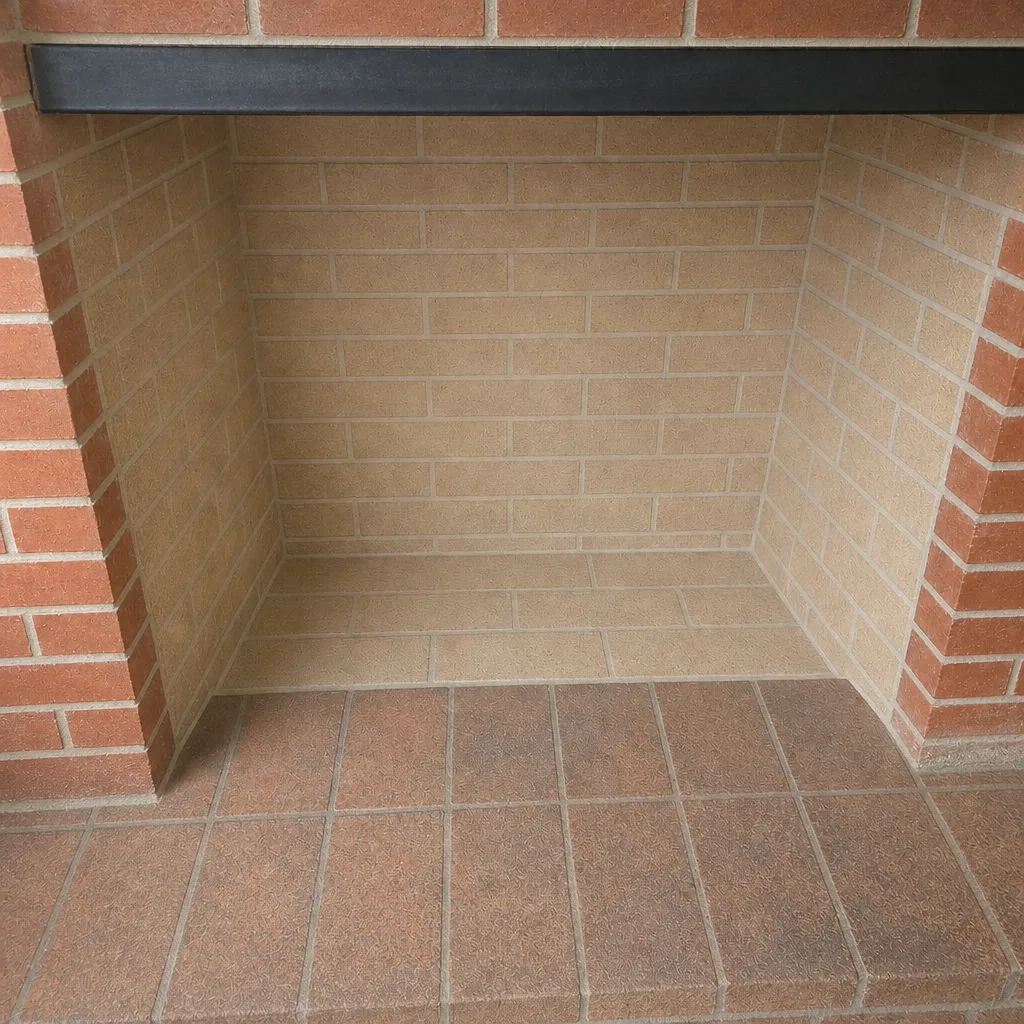
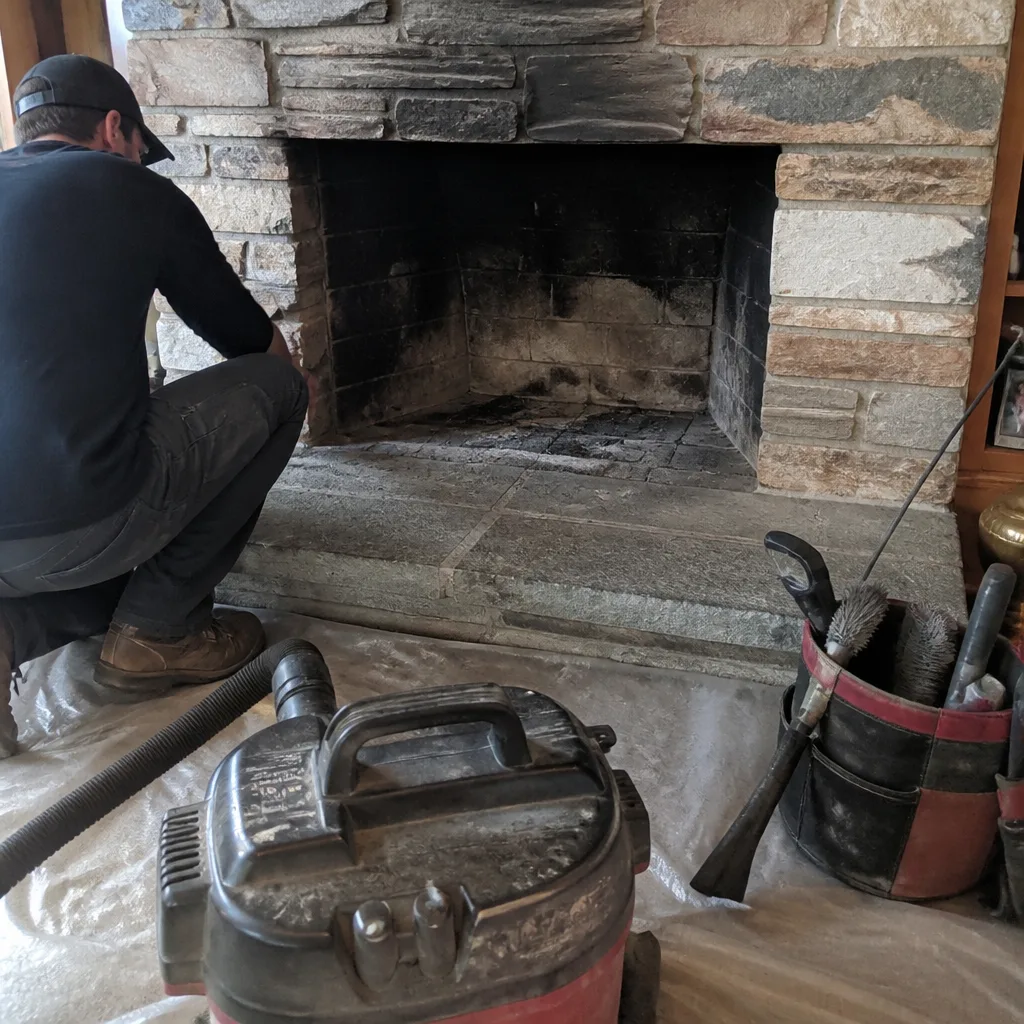
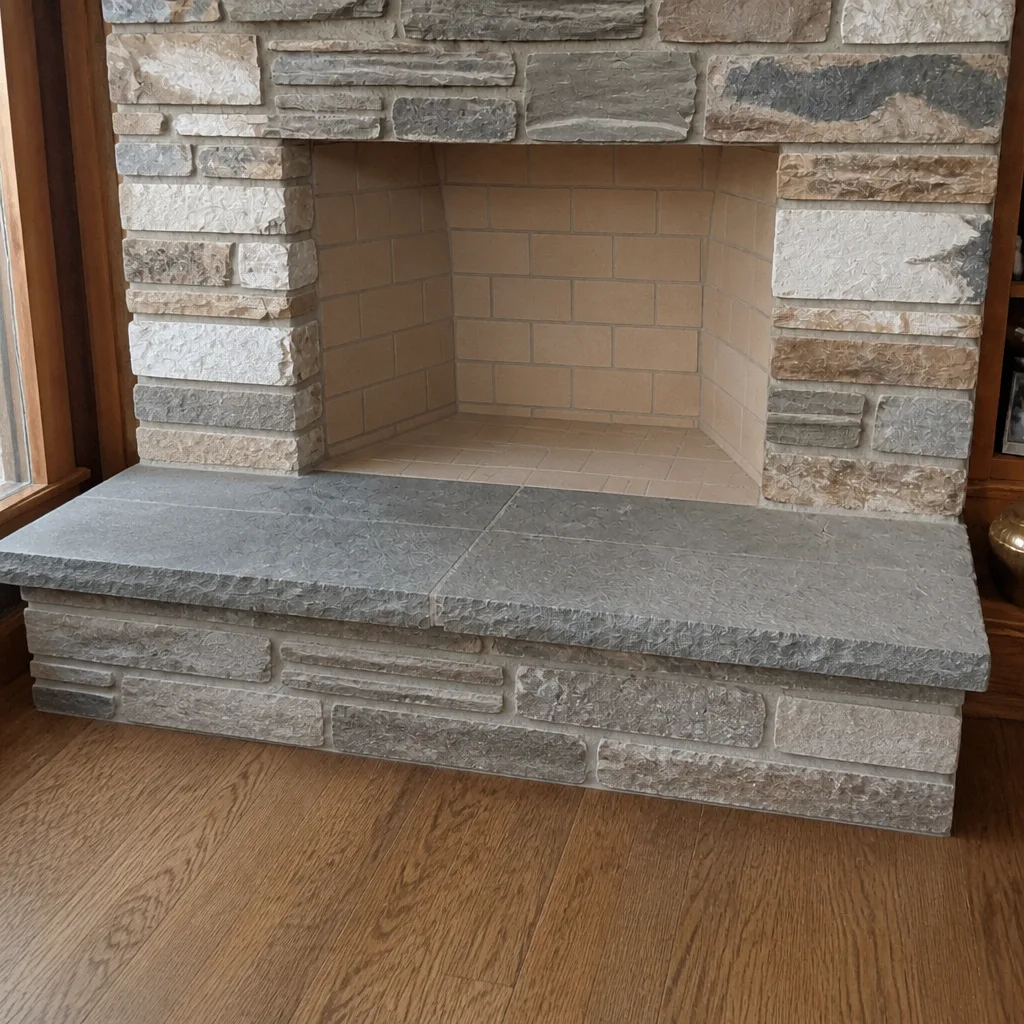
See the difference
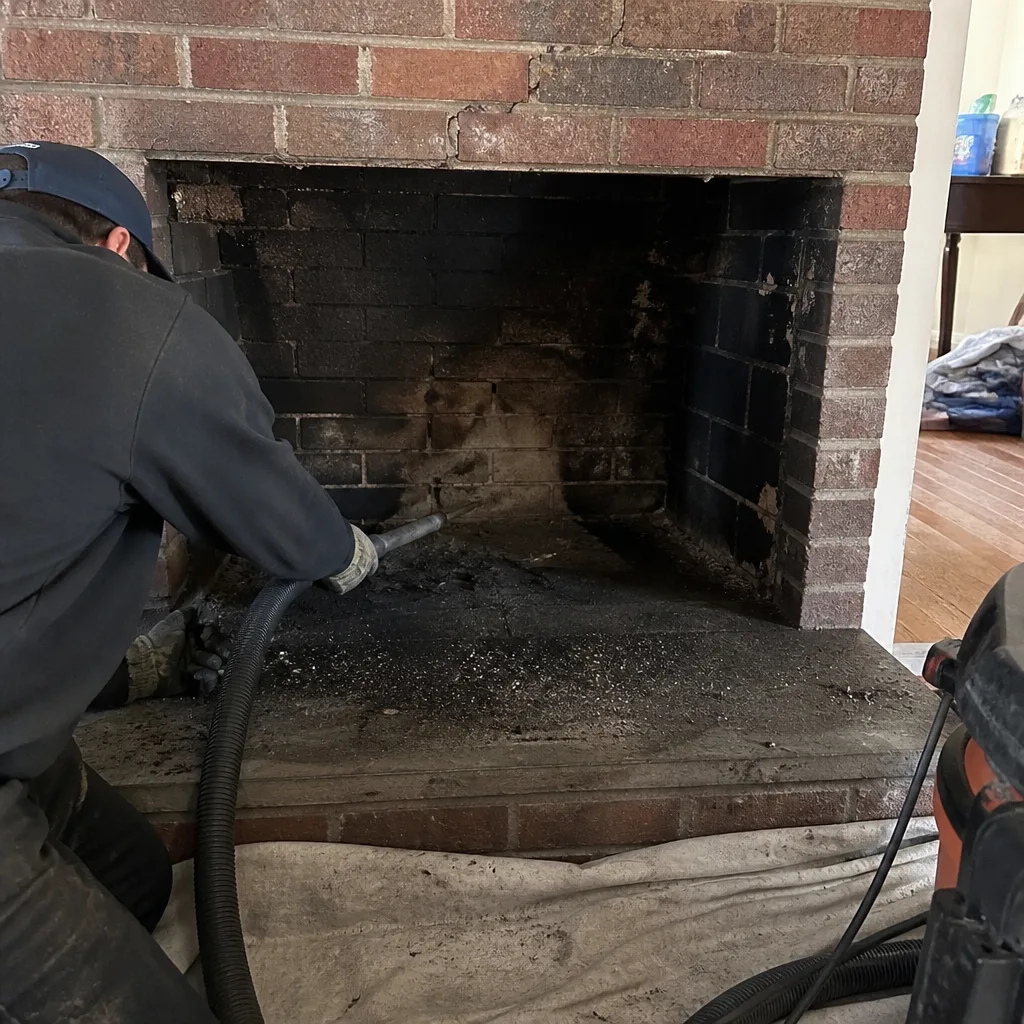 Before
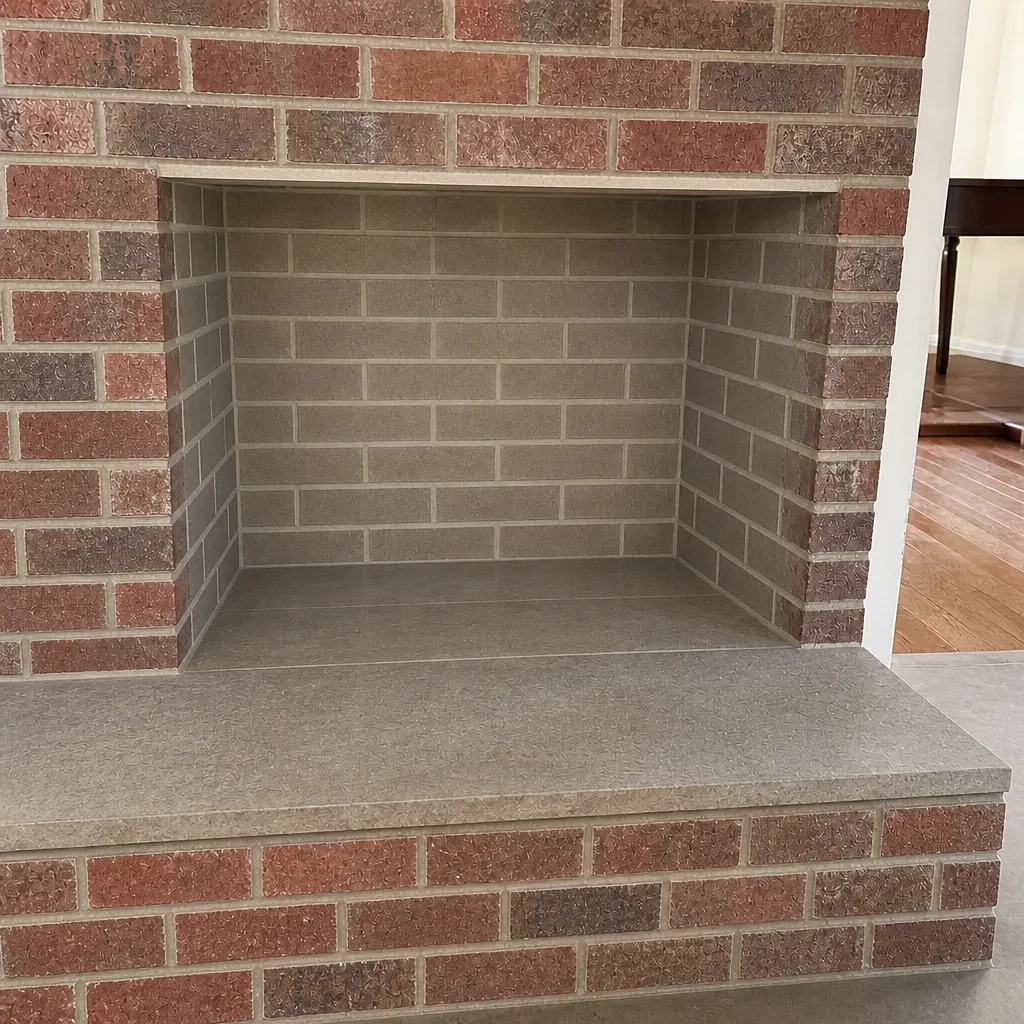 After
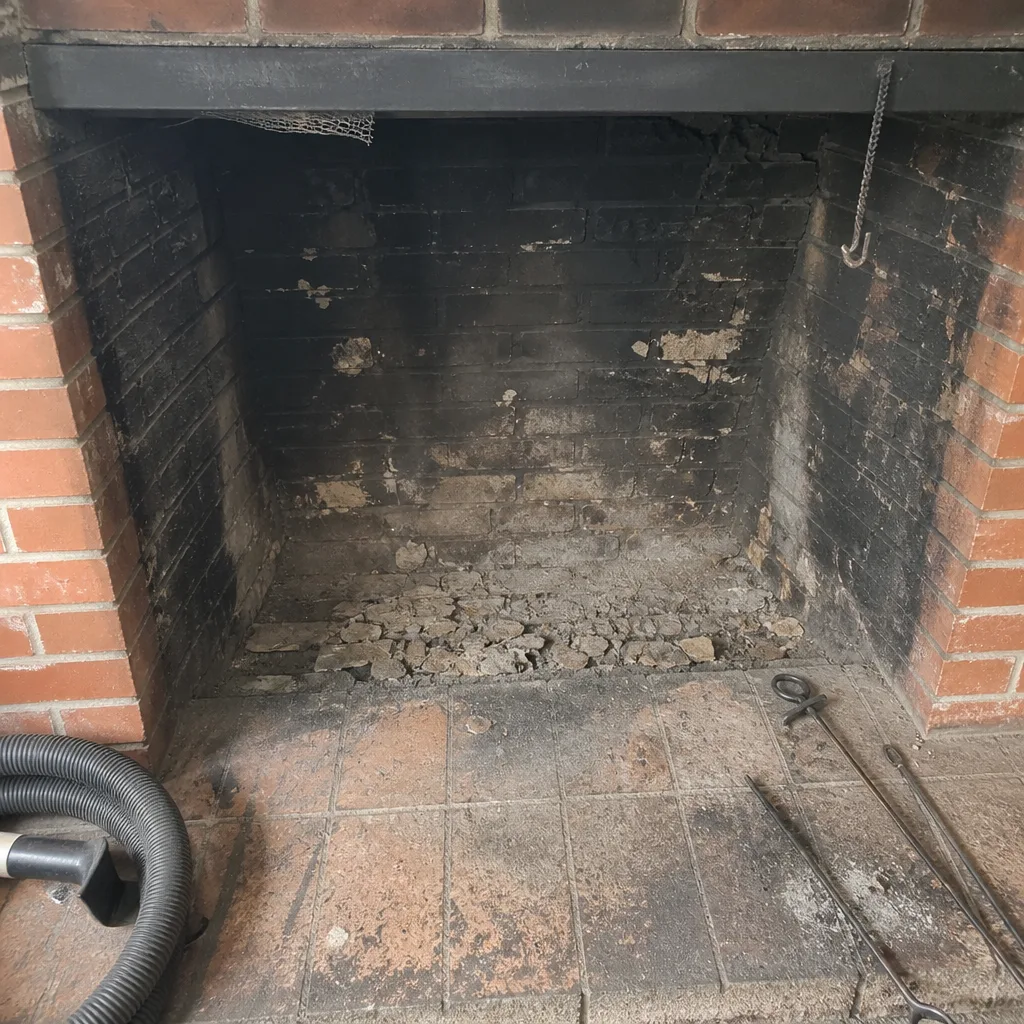 Before
 After
 Before
 After
When to Call a Professional
Some signs are obvious and some aren’t. Call a professional if you see smoke backing into the room during a fire, if you smell a strong odor even when there’s no fire, if you notice rust or water streaks running down the exterior of the chimney, if the crown has a visible crack, or if you haven’t had the system inspected and it’s been more than a season or two. A cap that’s bent or missing, a damper that won’t close, or a crack in the firebox are all signals that warrant a visit from someone who inspects the whole system rather than just the flue.
We’ll be direct about the timeline: not every issue needs attention this week. A compromised crown that’s not letting water in can wait for a scheduled visit. A liner that’s separating can’t. A professional inspection should tell you which you’re looking at, and it should be based on what the camera sees rather than what a sales pitch suggests.
Lakewood Chimney Sweep Experts offers free estimates in Lakewood – call (855) 964-4542. We answer 24/7. Fast dispatch from 7am to 7pm, Sunday through Friday.
Frequently Asked Questions
The brand matters when the product will be installed and expected to hold up for years. Cleaning brushes are a smaller concern; liners, caps, mortar repair systems, and waterproofing sealants are where the choice changes service life and warranty coverage. A professional-grade liner system from a manufacturer like DuraFlex is engineered to a tested wall thickness and joint standard; a generic flexible liner may meet minimum code and still fatigue faster under Lakewood’s thermal cycling. Ask your contractor which product they’re specifying and why – a confident answer is specific, and it names the system and the reason.
Ask directly: “What brand are you proposing, and are you certified to install it?” A professional will name the system and explain why it’s the right choice for your flue, your fuel type, and our climate. They’ll also be able to confirm their installation follows the manufacturer’s spec and that warranty paperwork will be in the manufacturer’s name. A contractor who can’t name the product or hedges on certification is telling you something useful. Call (855) 964-4542 to book an inspection where the materials question gets answered before any work is proposed.
Often yes – HeatShield is a resurfacing system that restores a deteriorated flue liner in place, and it’s used when the underlying structure is sound enough to support the resurfacing. It is applied by trained applicators, and the work meets the same performance standard a new liner would. It isn’t right for every flue, though: significant structural damage, severe separations, or a flue that can’t be properly cleaned first will still call for a full replacement. That’s why the inspection has to come first. Anything less than a camera-based look at the flue is guessing. Call (855) 964-4542 to schedule an inspection with photos you can review.
Lakewood’s altitude and winter temperature swings push masonry through repeated freeze-thaw cycles, and UV exposure at this elevation is harder on finishes than in many other parts of the country. A cap that’s painted rather than powder-coated or stainless can chalk and fade faster; a masonry sealant that isn’t vapor-permeable can trap water in the brick and cause spalling; a liner with untested wall thickness can fatigue faster under cycling. The product that’s right for a coastal climate isn’t automatically right here. A knowledgeable contractor in Lakewood specifies materials for our conditions, and they can tell you the reasoning.
A sweep-only company cleans the flue and stops there. A full-service contractor covers inspection, cleaning, cap and crown work, fireplace repair, and structural chimney repair, which means one point of contact for the whole system. That matters most when a repair is needed: the company that cleaned your chimney already has a picture of it and can propose a system-level fix rather than a handoff to another contractor. It also means the brand portfolio is wider, because the work itself demands it. Lakewood Chimney Sweep Experts works with DuraFlex, HeatShield, Gelco, Olympia Chimney, Famco, and Copperfield across the services we offer.
Yes, especially if the contractor recommending replacement doesn’t do resurfacing work. A sweep-only company may only be able to recommend replacement because it’s the only option they have. A contractor trained in resurfacing can evaluate whether the flue is a candidate for a less invasive repair, which is a smaller bill if it’s the right call. The key is getting both opinions based on a camera inspection with photos you can see. Free estimates at Lakewood Chimney Sweep Experts – call (855) 964-4542. We answer 24/7. Fast dispatch from 7am to 7pm, Sunday through Friday.
The Bottom Line
The brand on the box is a proxy for the contractor’s standards, not a marketing label. When a chimney contractor names the system, explains why it fits your flue and our climate, confirms they’re certified to install it, and documents the warranty in the manufacturer’s name, you’re looking at a professional. When they can’t, you’re not. The four categories worth paying attention to are liners, caps, mortar repair and resurfacing, and waterproofing sealants – each one has a professional-grade tier and a builder-grade tier, and the gap shows up in service life, not in the quote. Our technicians have up to 9 years of experience working with systems like DuraFlex, HeatShield, and Gelco. Call (855) 964-4542 for a free estimate. We answer 24/7. Fast dispatch from 7am to 7pm, Sunday through Friday.
Written by the team at Lakewood Chimney Sweep Experts.