
Last updated November 23, 2026
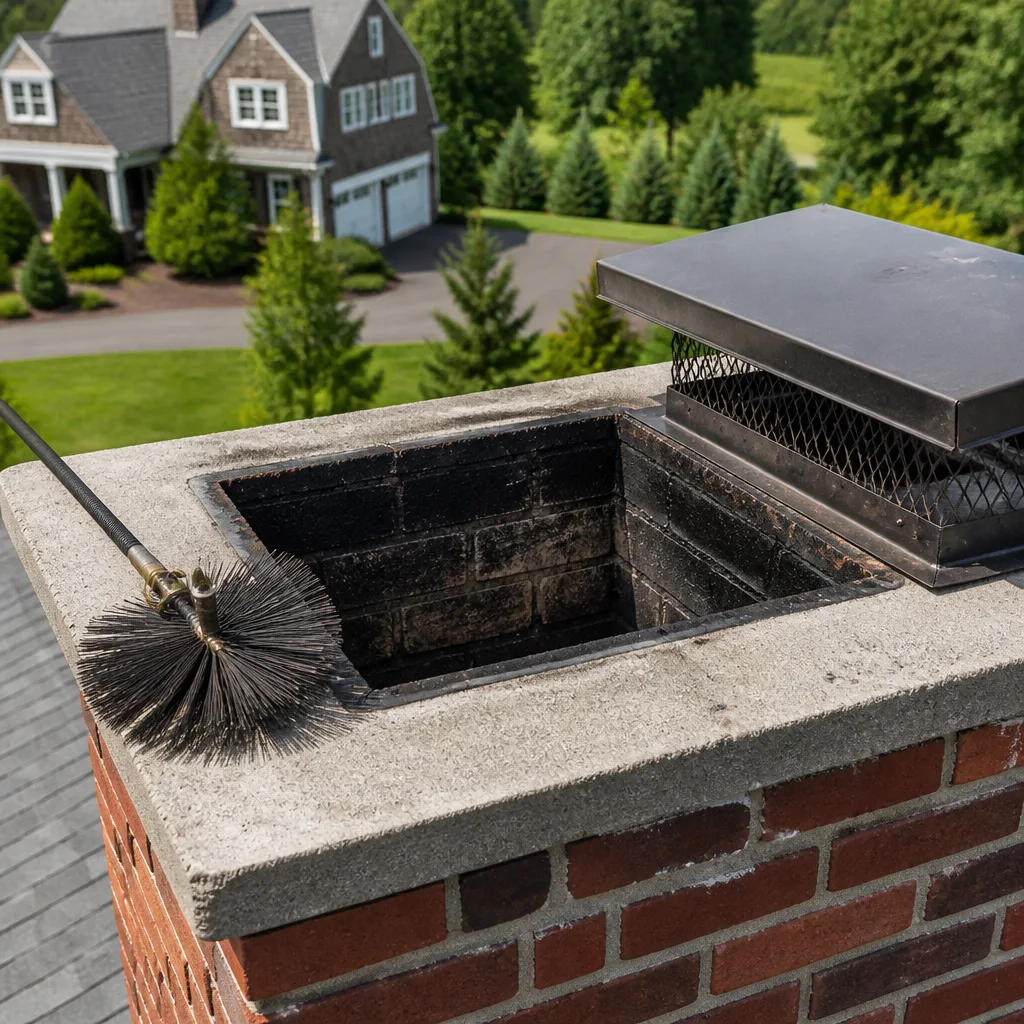 Sweep & inspection
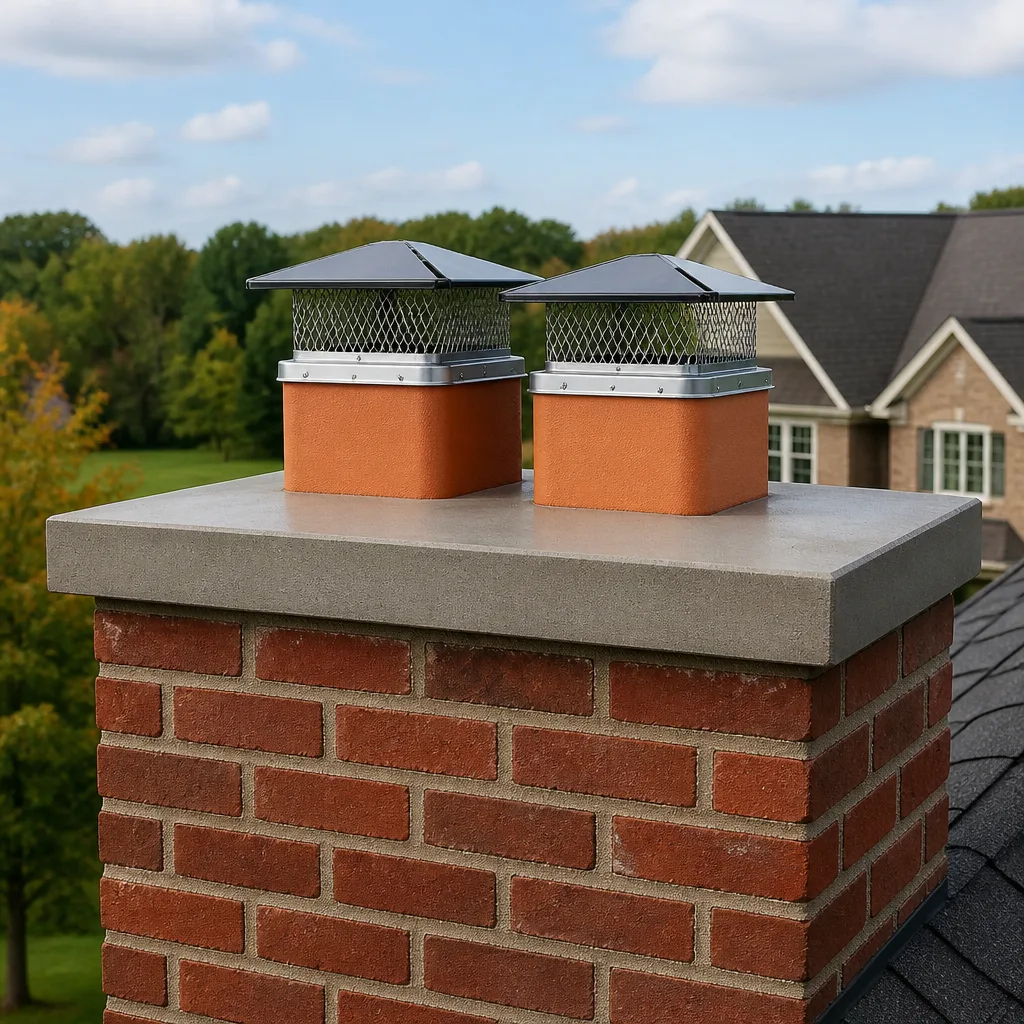 Caps & crowns
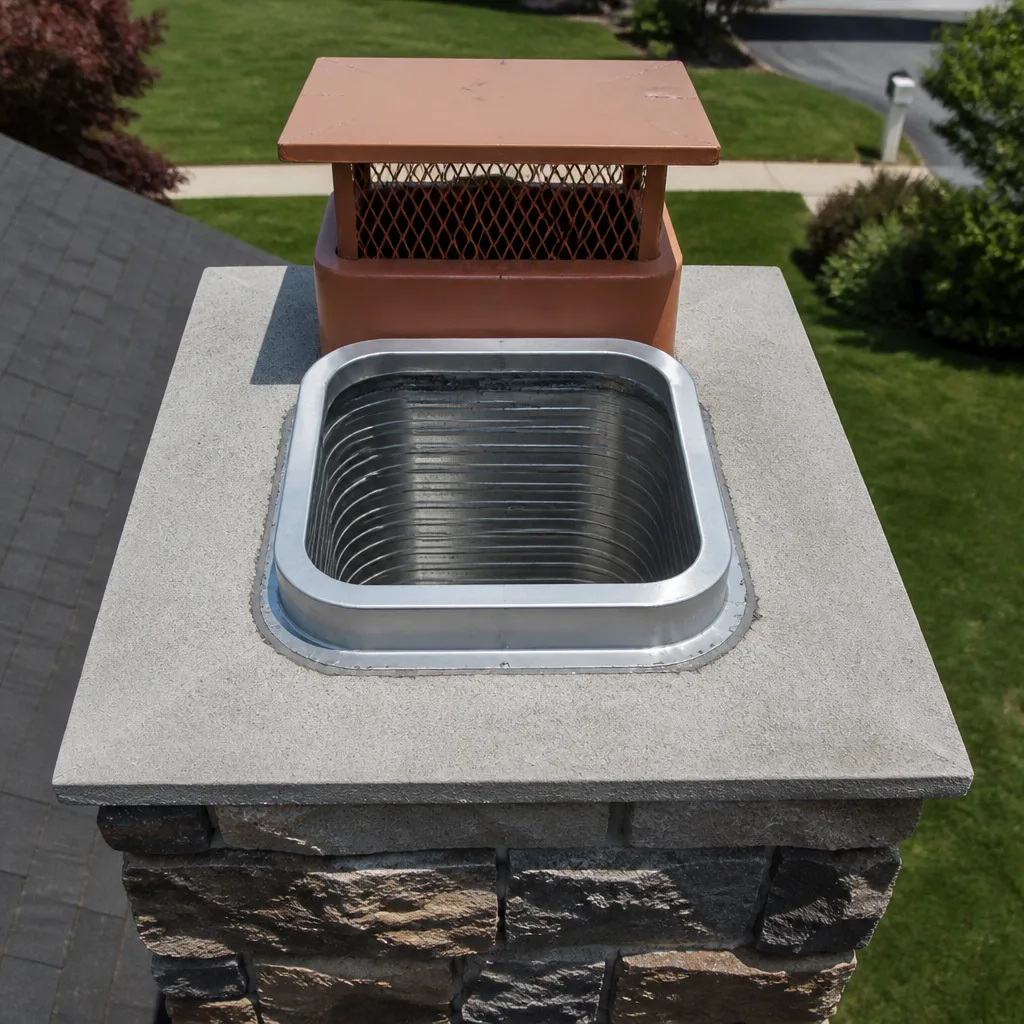 Flue relining
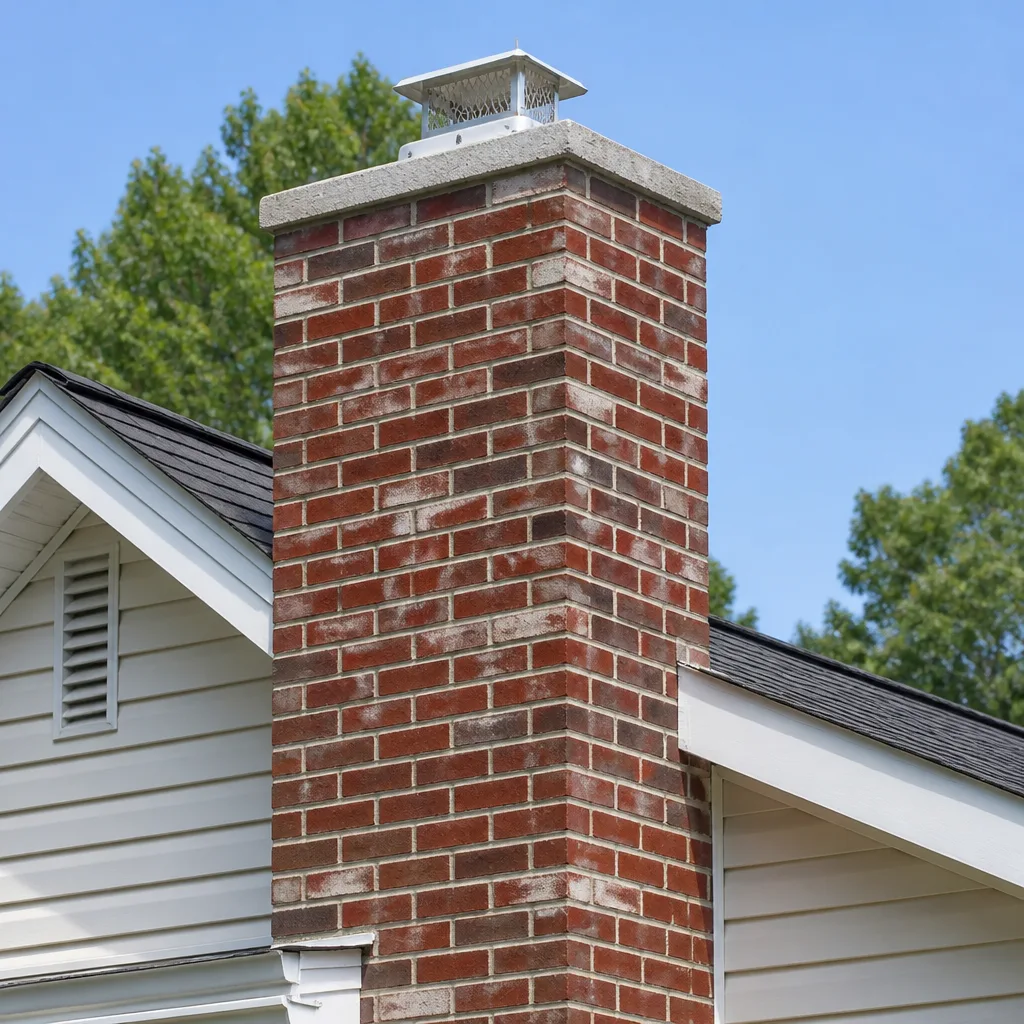 Masonry repair
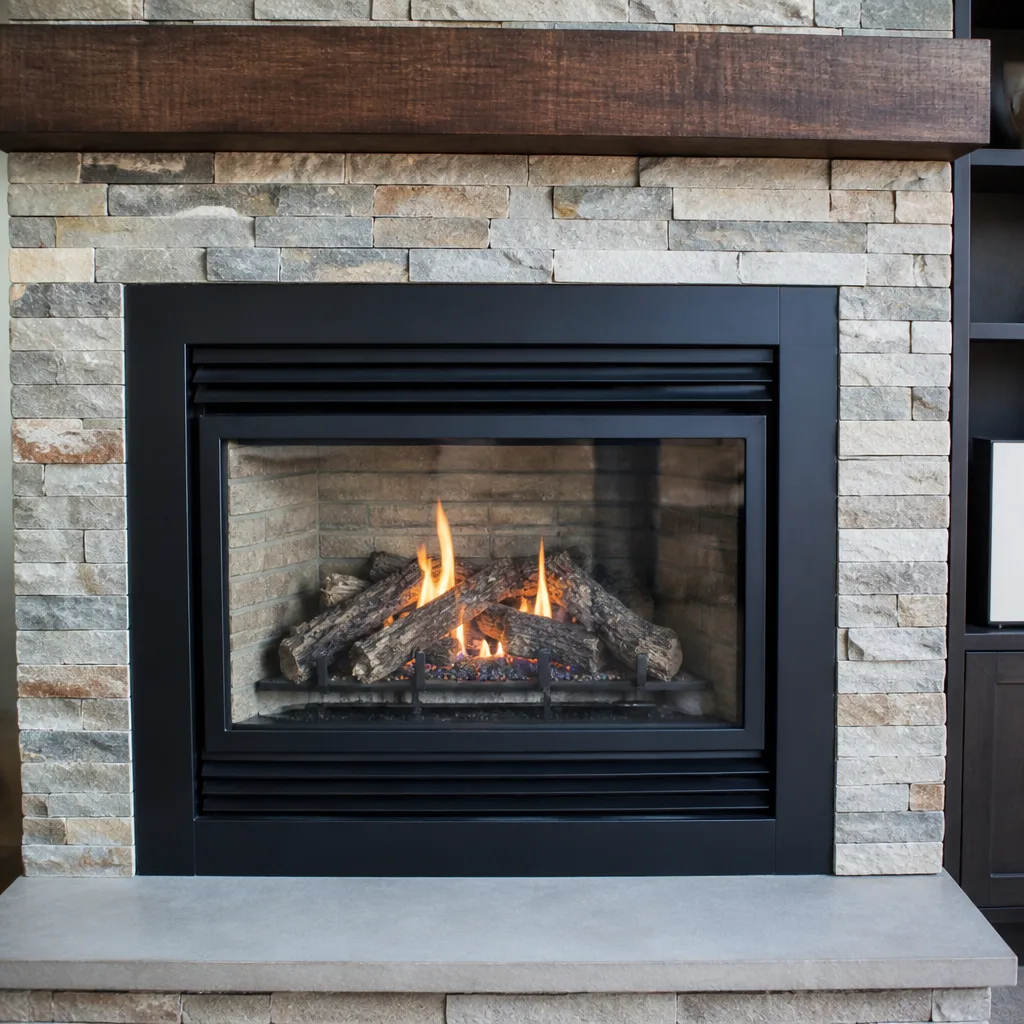 Gas fireplace service
Level 1 sweep and inspection to the NFPA 211 annual standard - flue, crown, cap, and flashing checked and photographed
Chimney sweep logs do not sweep chimneys. They loosen some creosote - which then falls where a brush and vacuum still have to collect it.
How to Hire a Chimney Cleaning Contractor in Lakewood: A Step-by-Step Guide
Colorado has no state-level chimney sweep license requirement, which means the person quoting your chimney cleaning may have started the business last month, and nothing on their truck or website will tell you that. That’s the uncomfortable truth behind hiring in this trade. The credential that matters most is voluntary, the inspection standard is written down but not enforced, and the difference between a careful sweep and a careless one shows up months later, not on the invoice. This guide gives you a contractor interview framework built around technical credibility: what to ask, what good answers sound like, how to read an estimate, and what a finished job should leave in your hands. If you’d rather skip the guesswork, you can reach a Lakewood Chimney Sweep Experts team member at (855) 964-4542 for a free estimate.
Quick Answer
To hire a chimney cleaning contractor in Lakewood, verify CSIA certification, ask five specific technical questions about inspection levels, liner condition, and documentation, and require a written report with photos after the sweep. Price should be the last filter, not the first, because the cheapest bid usually omits the inspection that tells you whether your chimney is actually safe to burn. When you’re ready for a quote, call (855) 964-4542 and we’ll walk you through exactly what a visit includes before you book.
Styles & brands we work with
- Sweep & inspection
- Caps & crowns
- Flue relining
- Masonry repair
- Gas fireplace service
Table of Contents
- Why Hiring a Chimney Sweep in Lakewood Is Harder Than It Looks
- What CSIA Certification Actually Verifies
- Five Technical Questions to Ask Before You Book
- How to Decode a Chimney Cleaning Estimate
- Lakewood-Specific Red Flags
- What a Post-Service Report Should Contain
- A Step-by-Step Hiring Walkthrough
- Common Mistakes to Avoid
Why Hiring a Chimney Sweep in Lakewood Is Harder Than It Looks
Chimney sweeping isn’t a licensed trade in Colorado the way electrical or plumbing work is. There’s no state board issuing a sweep license, no exam a contractor must pass to legally clean a flue, and no public database where you can look up whether the person on your roof has ever done the work before. That puts the entire vetting burden on you as the homeowner.
What makes Lakewood particularly tricky is the housing stock. The city has a wide mix of mid-century ranches, older bungalows near the historic core, and newer construction on the west side toward Green Mountain and Lakewood Estates. Chimneys built in different decades use different materials, different flue configurations, and different clearances. A sweep who only knows modern factory-built systems may not recognize the problems common in a 1950s masonry chimney, and vice versa.
The local climate adds another variable. Lakewood sits at the edge of the foothills, which means real winter burn seasons and rapid temperature swings in fall and spring. Chimneys here go through freeze-thaw cycles that stress mortar crowns and can open cracks in the clay tile liner. A sweep who only vacuums creosote without checking the crown and liner is doing half the job.
Add in the fact that reviews rarely capture technical quality. A five-star review often reflects pleasantness, punctuality, and price, not whether the technician actually inspected the liner or documented the job. You need a framework that goes past the star rating.
What CSIA Certification Actually Verifies
CSIA certification, issued by the Chimney Safety Institute of America, is the closest thing this trade has to a real credential. It verifies that an individual technician has passed a written exam on chimney and venting fundamentals, agreed to a code of ethics, and committed to ongoing education. It is the floor, not the ceiling, but it’s a meaningful floor.
Here’s what it does not verify. It does not license the business itself. A company can advertise “CSIA certified” while only one employee holds the credential, and that employee may not be the one sent to your house. It does not guarantee the technician has worked on your specific chimney type. And it does not replace experience with the local building stock.
When you call a contractor, ask specifically: who will be at my house, and does that person hold current CSIA certification? A confident company will answer without hesitation. If the answer is “we have certified techs on staff,” follow up with “will one be assigned to my job?”
For context on how certification, inspection, and service fit together in a full chimney relationship, it helps to understand what a proper chimney sweep visit covers beyond the cleaning itself.
Five Technical Questions to Ask Before You Book
The best way to separate a real chimney professional from a general handyperson with a brush is to ask questions only someone who does this daily can answer fluently. Here are five, with what a knowledgeable response sounds like.
- “What level of inspection do you perform, and will it be in writing?” A knowledgeable sweep will tell you they perform a Level I inspection as standard with every cleaning, and recommend a Level II when there’s been a chimney fire, a real estate transaction, a change in appliance, or storm damage. They’ll also say the report is written and includes photos. A vague answer about “checking everything out” is a warning sign.
- “How do you evaluate the liner, and what do you do if it’s damaged?” Good answers mention visual inspection of accessible liner sections, camera inspection when warranted, and a clear distinction between minor spalling that can be resurfaced and structural damage that requires relining. A sweep who can explain HeatShield resurfacing versus full liner replacement, and who works with professional-grade systems like DuraFlex or Olympia Chimney, understands the full scope. If the only answer is “we’ll replace it,” you’re talking to a salesperson, not a sweep.
- “What do you check on the exterior of the chimney?” The crown, the cap, the flashing, and the mortar joints should all come up without prompting. A chimney is a whole system, not just a flue, and the exterior is where water intrusion and freeze-thaw damage start.
- “How do you handle the dust and mess inside my house?” Real sweeps use drop cloths, a HEPA vacuum, and sealed work areas. They’ll describe their setup without being asked twice.
- “What happens if you find a problem I didn’t know about?” The right answer separates diagnosis from repair. They should offer to document the issue with photos, explain what can safely wait, and give you a written estimate or a referral for anything outside their scope. A company that can handle repair in-house will say so; a company that can’t should say that too.
Notice that none of these questions test price. That’s deliberate. The answers reveal technical competence, and competence is what keeps your chimney safe.
How to Decode a Chimney Cleaning Estimate
A legitimate chimney cleaning estimate in Lakewood should have certain line items no matter what the total is. If any of these are missing, ask why before you book.
- Sweep of the flue (or flues, if you have more than one appliance connected)
- Level I inspection of the accessible chimney interior and exterior
- Firebox and smoke chamber cleaning, where accessible
- Cap and crown visual check
- Written report with findings and recommendations
A suspiciously low bid usually omits the inspection, the report, or both. Some companies sweep and leave without documenting anything, which means you have no record of the chimney’s condition and no baseline for the next visit. Others quote low and then find “urgent” issues on-site, which is where the real cost appears.
Equipment matters too. A sweep who shows up with hand brushes and no vacuum is going to send dust through your house. A sweep who uses a camera to inspect the liner, and who brings professional sealing and cap materials, is operating at a different level. Ask what they’ll bring.
You should expect the final price to be set by a written estimate, not by a number given verbally on the phone. A good contractor will want to see the chimney, or ask detailed questions, before committing.
Lakewood-Specific Red Flags
Several warning signs are more common in the Lakewood market than homeowners realize. Watch for these before you sign anything.
- No written Level II inspection on a recently sold home. If you bought your Lakewood house within the past year or two, a Level II inspection is standard practice, and a contractor who shrugs it off is either cutting corners or doesn’t know the standard. The same applies after a hail event or windstorm damaged the cap or crown.
- Drilling a hole without asking. Some inspections require an access hole in the chimney. A respectful contractor asks first, explains why, and seals it afterward. One who drills without a conversation is a red flag.
- No photos in the report. In an era when every phone has a camera, a report with no images is a report you can’t verify.
- Pressure to reline immediately. A liner can genuinely need replacement, but the decision should be based on documented evidence, not a scare line on a clipboard.
- Unsolicited door-to-door chimney offers. Legitimate chimney work is scheduled, not sold door to door after a storm.
- No physical address or verifiable business presence. In a market with no license requirement, a business you can’t verify is a risk.
- Cash-only pricing with no written estimate. A written estimate protects you. A verbal cash deal protects no one.
Each of these signals is a reason to slow down, not to panic. Ask for documentation. If you don’t get it, call someone else.
What a Post-Service Report Should Contain
The written report after a sweep is the most underrated part of the service. It’s your record of the chimney’s condition on a specific date, and it’s what the next contractor will use as a baseline. If you get nothing in writing, treat the visit as incomplete.
A proper post-service report includes:
- The date of service and the technician’s name (for your records)
- The inspection level performed and what was accessible
- Condition notes on the flue, firebox, smoke chamber, damper, cap, crown, and flashing
- Photos of the interior and exterior, including any areas of concern
- A clear statement of what was cleaned and what was not
- Recommendations, separated into “needs attention now” and “monitor over time”
- Any repair estimate, in writing, with scope and materials described
Notice the split between “now” and “later.” A trustworthy contractor will tell you when work can safely wait, which tells you they’re diagnosing rather than selling. If everything on the report is marked urgent, get a second opinion. If nothing is documented, don’t rehire.
This is where a full-service relationship pays off. When the report identifies crown damage or a failing cap, the same team that swept the chimney can handle the chimney cap & crown work and follow through on any fireplace repair the inspection flagged. You don’t have to re-vet a second contractor or coordinate two schedules.
A Step-by-Step Hiring Walkthrough
Here’s the process we recommend to Lakewood homeowners, in order. Each step is designed to filter out weak contractors before they get to your roof.
- Ask who will be at your house and what credentials they hold. Get a name and a certification status. If they can’t answer, move on.
- Request the scope in writing before booking. You want to see the line items before you commit. If they only quote a total over the phone, ask for the breakdown by email.
- Ask about the inspection level. Standard cleaning should include a Level I inspection. A recent sale, storm, or chimney fire should trigger a Level II.
- Confirm what documentation you’ll receive. A written report with photos is the minimum. Ask what happens if they find something concerning.
- Ask about materials and repair capability. If they recommend a new cap or a resurfaced liner, ask what brands they install. A contractor who works with DuraFlex, Olympia Chimney, or similar professional-grade systems and who can perform HeatShield resurfacing has more options than one who only sells replacement.
- Compare bids on scope, not price. Two estimates with wildly different totals usually reflect different scopes, not different markups. Make sure both include the same inspection and reporting.
- After the visit, review the report the same day. If photos are missing, findings are vague, or the recommendations feel like a sales pitch, don’t rehire. If the report is clear and separates urgent from optional, you’ve found a keeper.
This process takes an extra phone call or two, but it’s the difference between a sweep who protects your chimney and one who just moves creosote around.
How Often Should You Schedule a Sweep in Lakewood?
Most Lakewood homeowners burning wood regularly should schedule a sweep about once a year, ideally before the first cold snap in fall. Gas fireplace owners can usually go longer, but annual visual checks still matter because venting problems and blockages don’t announce themselves.
Several local conditions push the interval shorter. If you burn frequently through the winter, if you notice smoke drifting into the room instead of up the flue, if the fire is harder to start than it used to be, or if you smell a strong smoky odor on warm days after a cold stretch, schedule a visit. These are signs of creosote buildup or a draft problem.
If your home has recently changed hands, if the roof or chimney was hit by hail or high wind, or if the chimney hasn’t been inspected since before you moved in, a Level II inspection is worth scheduling regardless of how long it’s been since the last sweep. The inspection and the cleaning can usually happen on the same visit.
What Does Chimney Cleaning Usually Cost in Lakewood?
Pricing varies by chimney size, accessibility, and whether an inspection or repair is included, so any figure you see online is an estimate at best. What matters more is what’s included in your written quote and whether the contractor will set the final price in writing after seeing the chimney in person.
Rather than compare totals from companies you haven’t vetted, compare the scope. A quote that bundles sweep, Level I inspection, firebox cleaning, and a written report gives you more information than one that covers only the flue. If a contractor won’t itemize, that’s your answer.
For an exact quote for your chimney, call (855) 964-4542. We answer 24/7. Fast dispatch from 7am to 7pm, Sunday through Friday. Estimates are free.
Common Mistakes to Avoid
- Choosing the lowest bid without comparing scope. The lowest bid is usually the lowest scope, which means the inspection and report are missing. You end up no better informed than before the visit.
- Assuming a CSIA logo on the website means the technician at your door is certified. Ask directly who is being sent, and confirm that person’s credentials. The business can be certified and still send someone uncertified.
- Skipping the Level II inspection after a home purchase. Lakewood has a lot of older homes with chimneys built to old standards. A purchase is the moment to find out what you actually bought.
- Treating a chimney fire as a non-event. A chimney fire can crack the liner and damage the masonry in ways you can’t see from the firebox. A real chimney fire warrants a documented inspection afterward.
- Accepting verbal findings without a written report. A report is what your next contractor, your insurer, and future you will rely on. No report, no record.
- Hiring a door-to-door or storm-chasing contractor. Legitimate chimney work isn’t sold that way. If someone shows up unsolicited with a clipboard, decline politely and call a scheduled contractor.
- Letting a sweep recommend relining without evidence. Ask to see the photos, the inspection findings, and the reasoning. If they can resurface with HeatShield instead of replacing, they should be able to explain why one option fits and the other doesn’t.
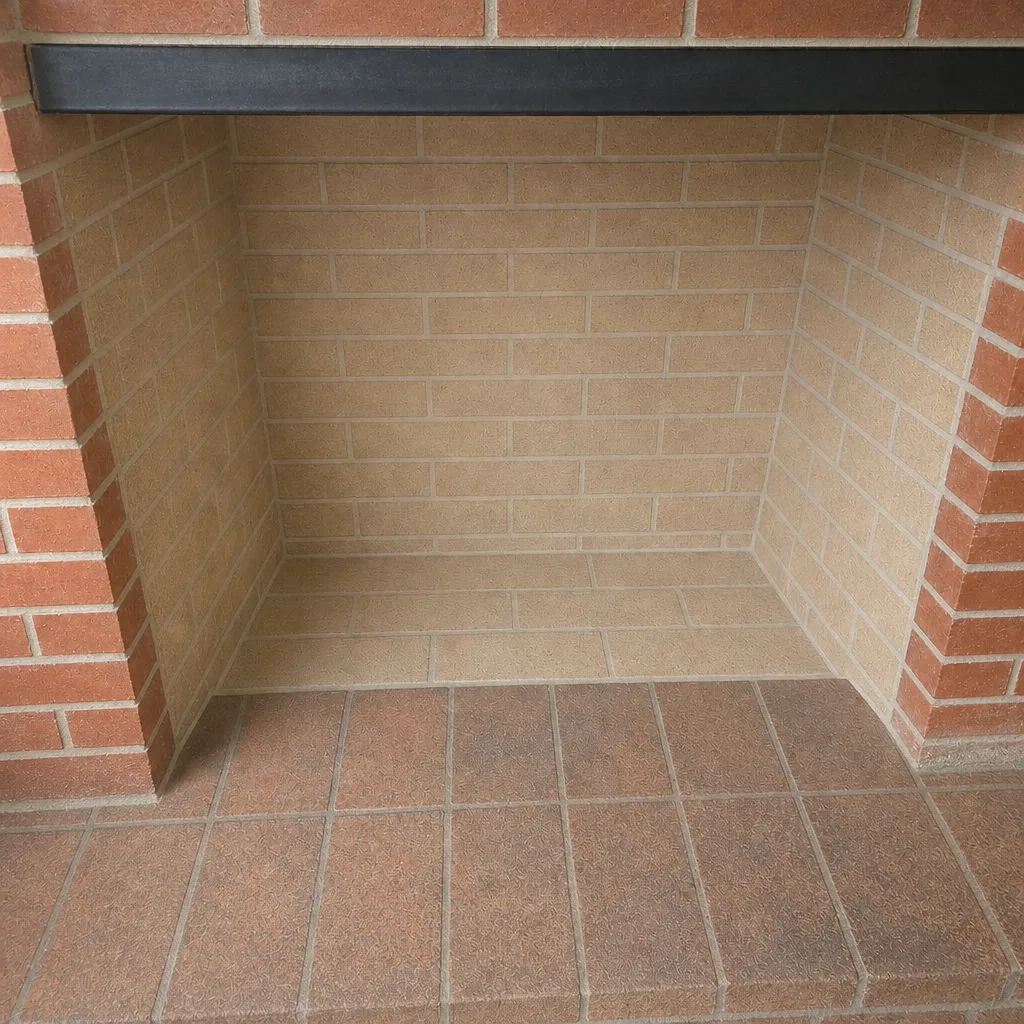
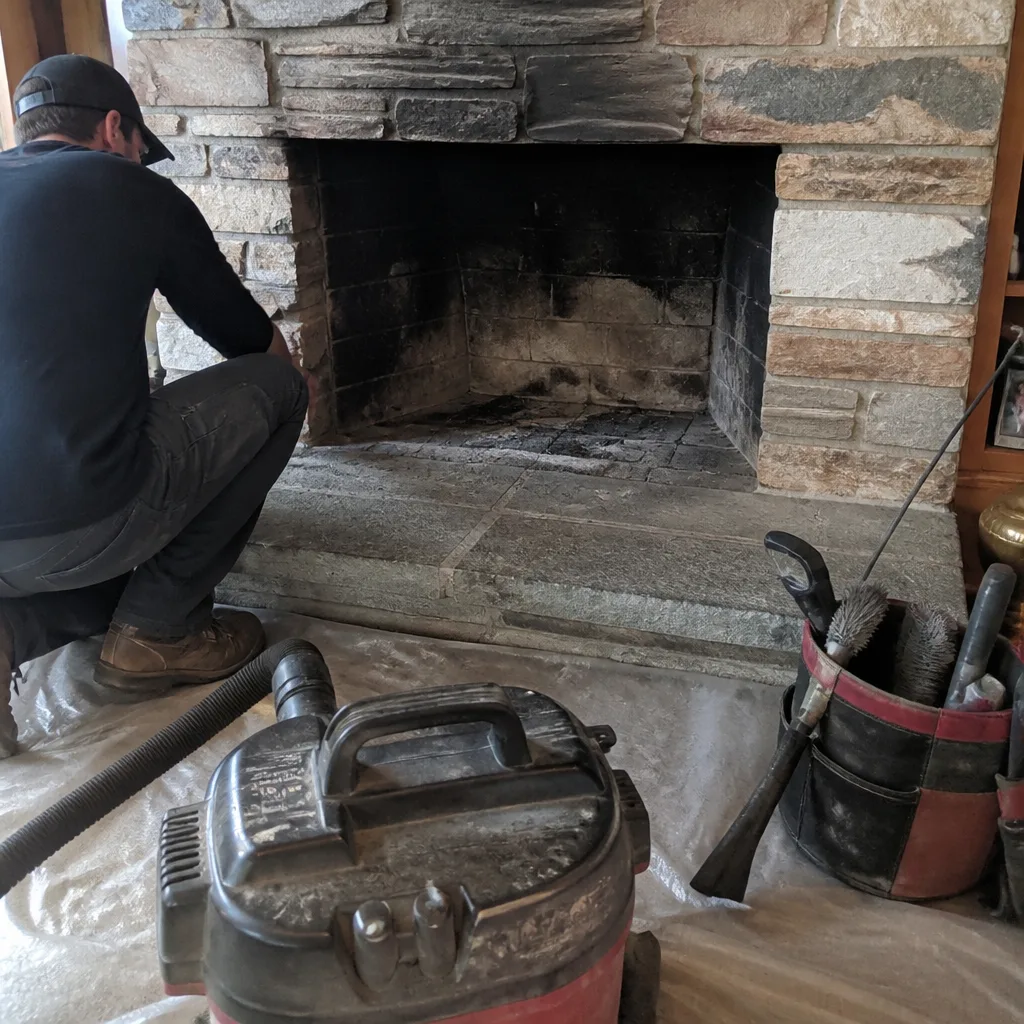
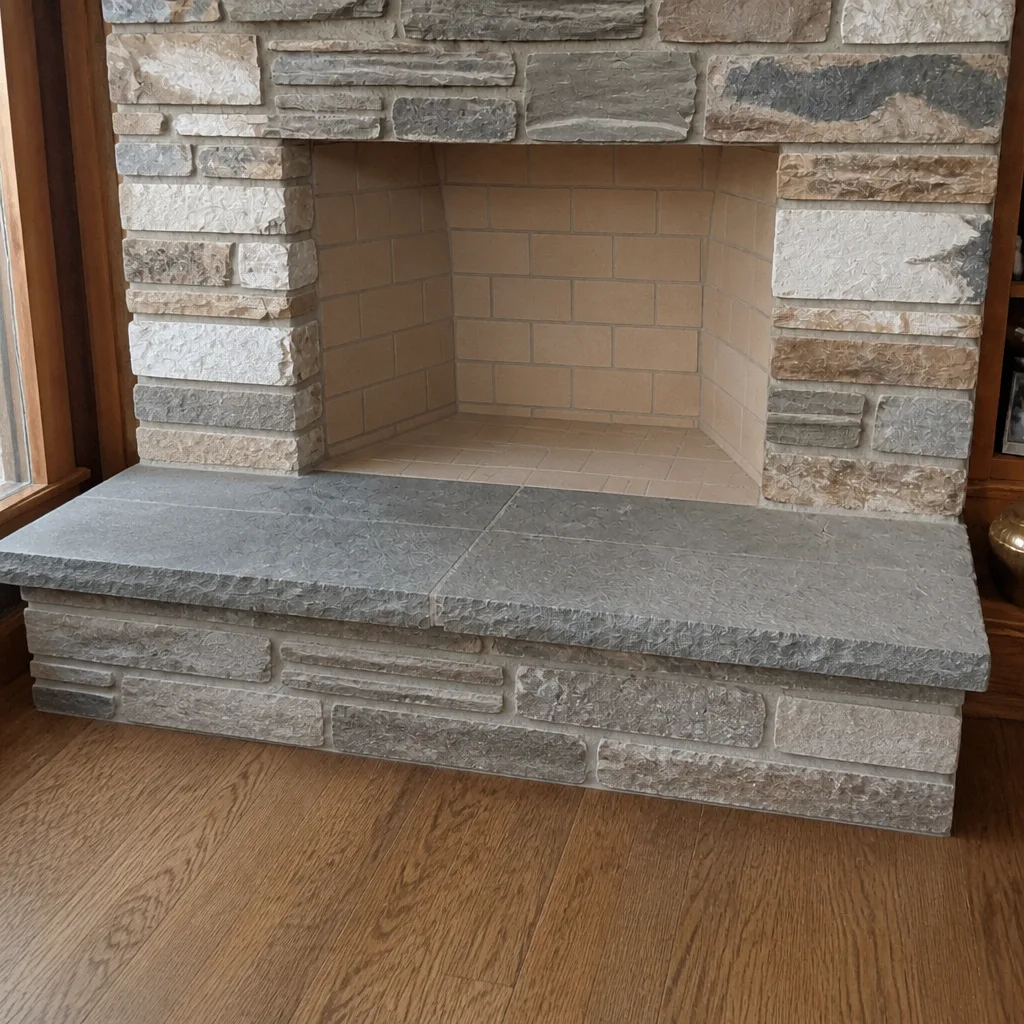
See the difference
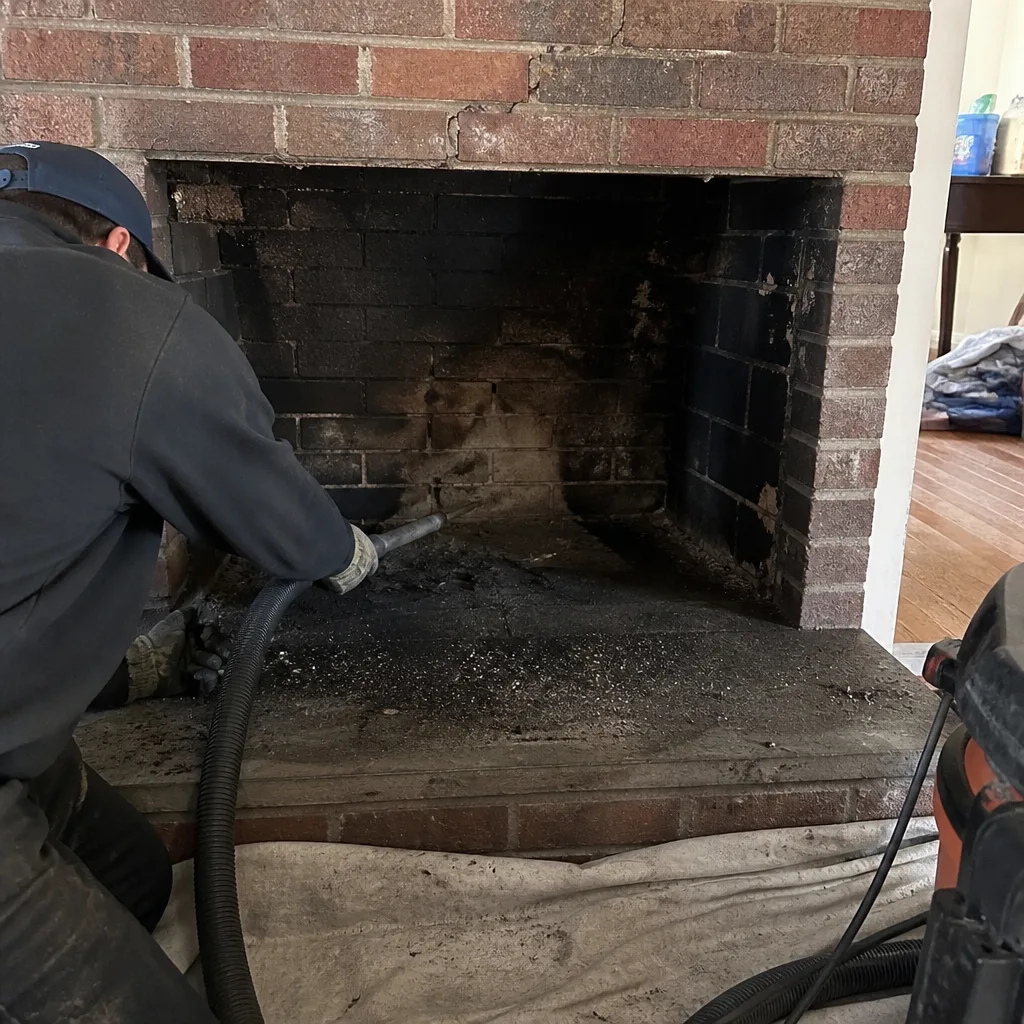 Before
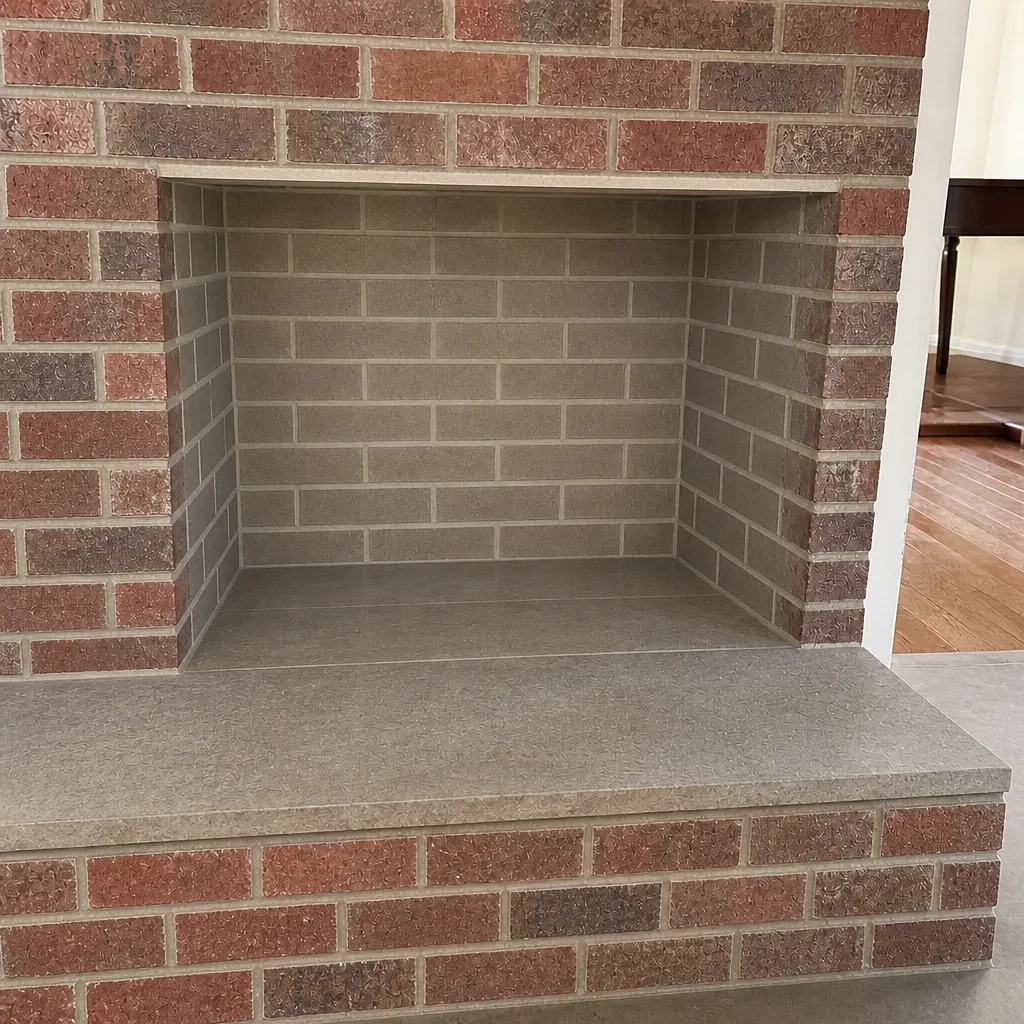 After
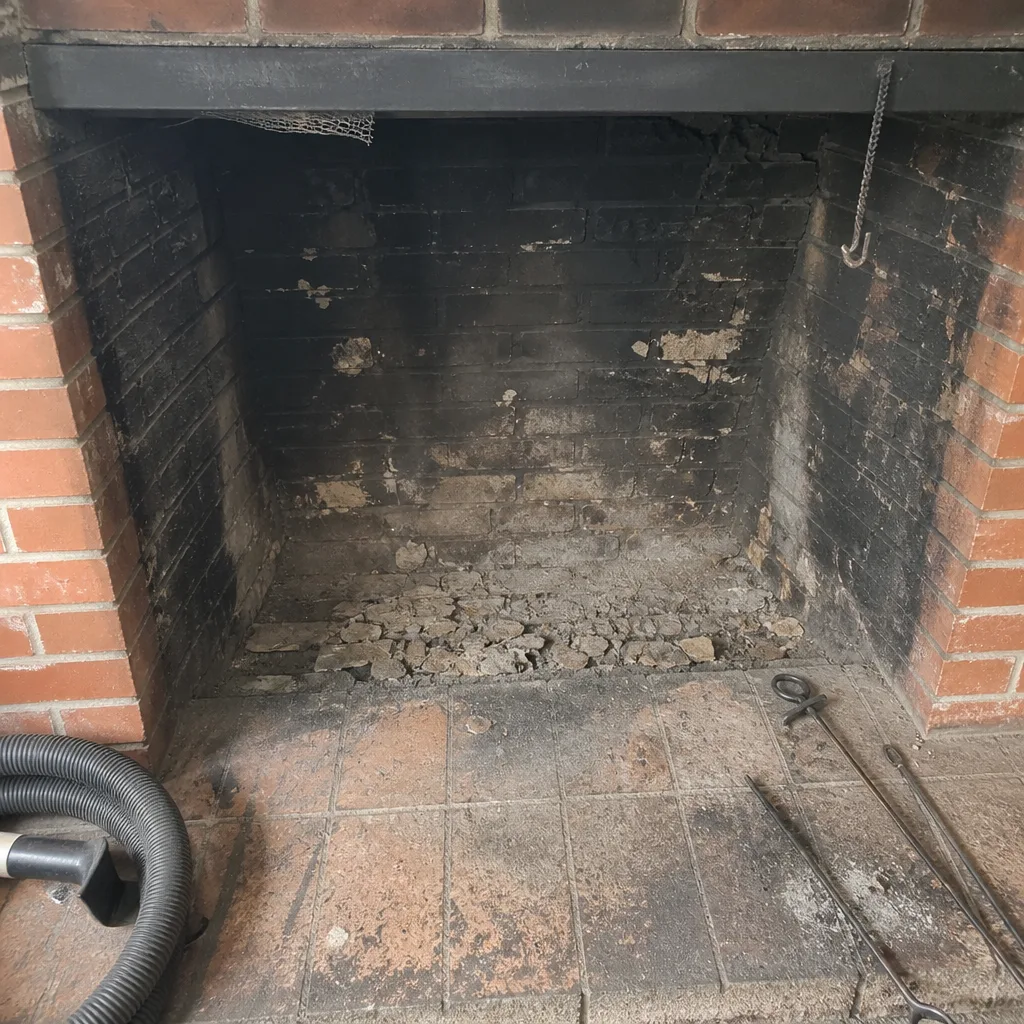 Before
 After
 Before
 After
When to Call a Professional
Some chimney work is clearly a job for a trained technician rather than a homeowner with a brush. Call a professional if you’ve had a chimney fire, if smoke backs into the room when the fire is burning, if you smell gas near a gas appliance, if the crown or cap is visibly damaged, or if mortar is crumbling around the chimney. Any of these is a signal to stop burning until the chimney has been inspected.
Creosote buildup, whether from a hard burn season or a struggling draft, is another reason to call. A trained technician can remove it safely and check whether the buildup signals a deeper venting problem. In Lakewood, where freeze-thaw cycles accelerate wear on masonry, seasonal inspections catch small issues before they become structural repairs.
Lakewood Chimney Sweep Experts offers free estimates in Lakewood, and you can call (855) 964-4542 to schedule one. We answer 24/7. Fast dispatch from 7am to 7pm, Sunday through Friday.
Frequently Asked Questions
In Colorado, there’s no state license for chimney sweeps, so the best single check is current CSIA certification for the individual technician who will be at your house, plus a written scope of work before booking. Ask who is being sent, confirm that person’s certification, and request a sample report. A qualified contractor should be able to answer all three without hesitation. Call (855) 964-4542 if you want to compare what a properly credentialed visit includes.
A Level I inspection is the standard visual check included with routine cleaning and covers the accessible parts of the chimney and venting. A Level II is more detailed, includes a camera inspection of the flue, and is recommended after a chimney fire, a home sale, a change in appliance, or storm damage. In Lakewood, a Level II is worth scheduling if you bought your home recently or had hail or wind affect the roof. Call (855) 964-4542 to talk through which level fits your situation.
Most homes burning wood regularly should be swept about once a year, ideally before the burn season starts. Gas appliances usually need less frequent sweeping but still benefit from annual visual inspections. Homes near the foothills and properties with taller chimneys may see faster creosote buildup. If you’re unsure, call (855) 964-4542 and we’ll help you pick a schedule.
Ask for the inspection evidence behind the recommendation, including photos, before you commit. A liner replacement is sometimes necessary, but HeatShield resurfacing can repair some deteriorating liners without full replacement, and that option is worth discussing. If a contractor can’t show you why replacement is the only choice, get a second opinion. Call (855) 964-4542 for a free estimate and an explanation of your options.
A professional sweep uses drop cloths, sealed work areas, and a HEPA vacuum, so dust should be minimal. If a contractor shows up without those tools, that’s a sign to ask questions before work starts. Modern equipment and careful setup are what separate a clean visit from a messy one. Call (855) 964-4542 to learn what our technicians bring to a Lakewood home.
Creosote accumulates faster than most people expect, and heavy buildup raises the risk of a chimney fire. A blocked or partially obstructed flue can also push carbon monoxide into the living space. Skipping a sweep doesn’t guarantee a problem, but it removes the inspection that would have caught one. Call (855) 964-4542 to get on a schedule before the next burn season.
The Bottom Line
Hiring a chimney contractor in Lakewood comes down to verification. Confirm the certification of the person at your door. Ask the technical questions that reveal real experience. Compare estimates on scope, not total. And insist on a written report with photos, because that document is what protects you next season and the one after. Price matters, but competence keeps your chimney safe. Call (855) 964-4542 for a free estimate. We answer 24/7. Fast dispatch from 7am to 7pm, Sunday through Friday. Our technicians have up to 9 years of experience, and we work with professional-grade brands like DuraFlex, Olympia Chimney, Famco, and Copperfield.
Related Reading
- chimney sweep for details on what a standard visit includes in Lakewood
- chimney cap & crown for protecting the top of your system year-round
- fireplace repair for fixing the firebox and draft problems a sweep can uncover
- Lakewood Chimney Sweep Experts for the full service overview
Written by the team at Lakewood Chimney Sweep Experts.