
Last updated November 23, 2026
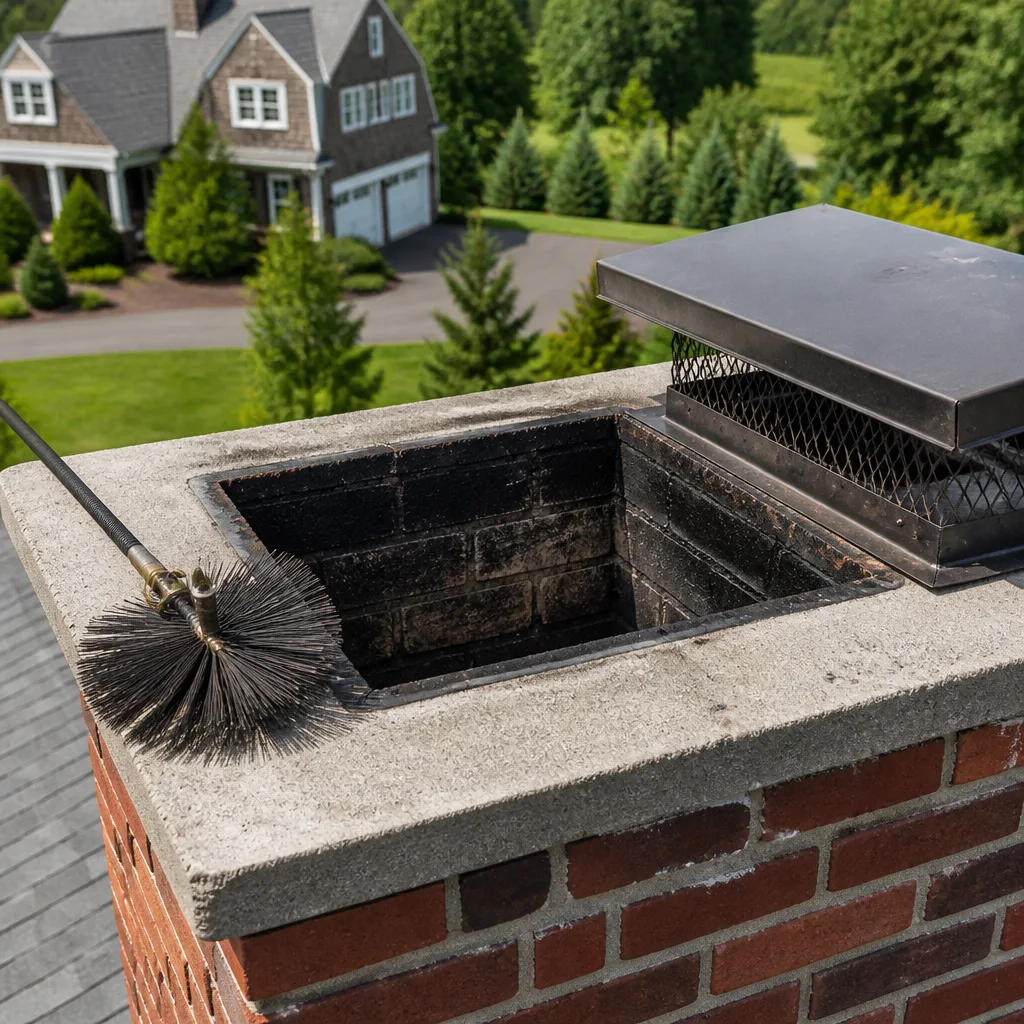 Sweep & inspection
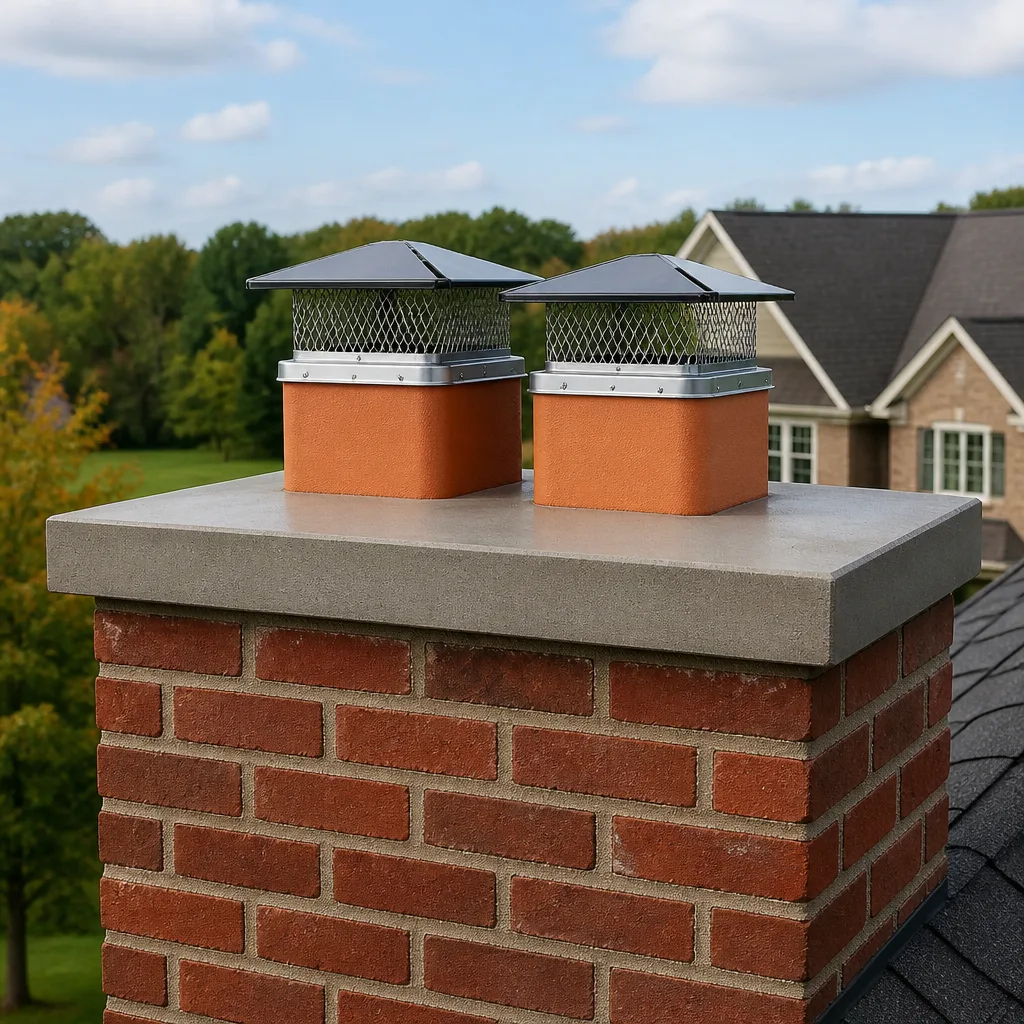 Caps & crowns
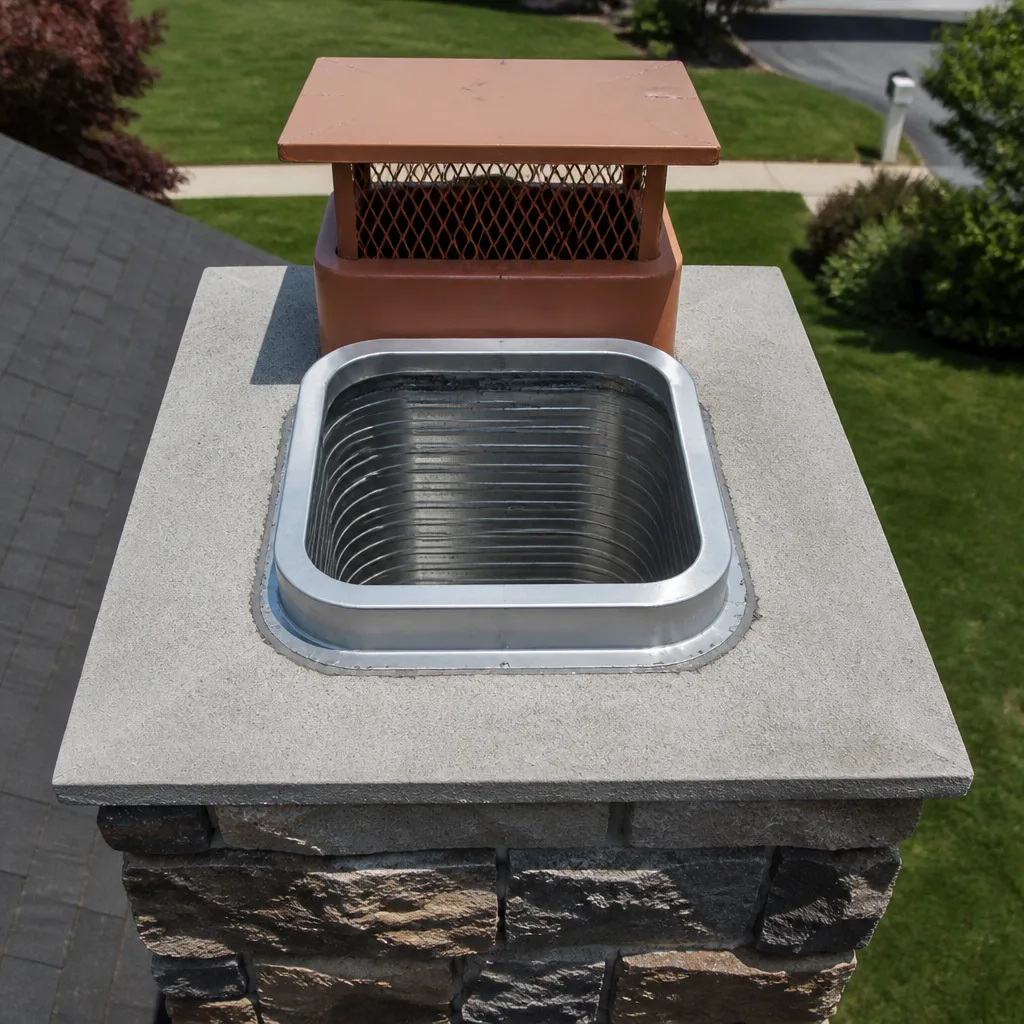 Flue relining
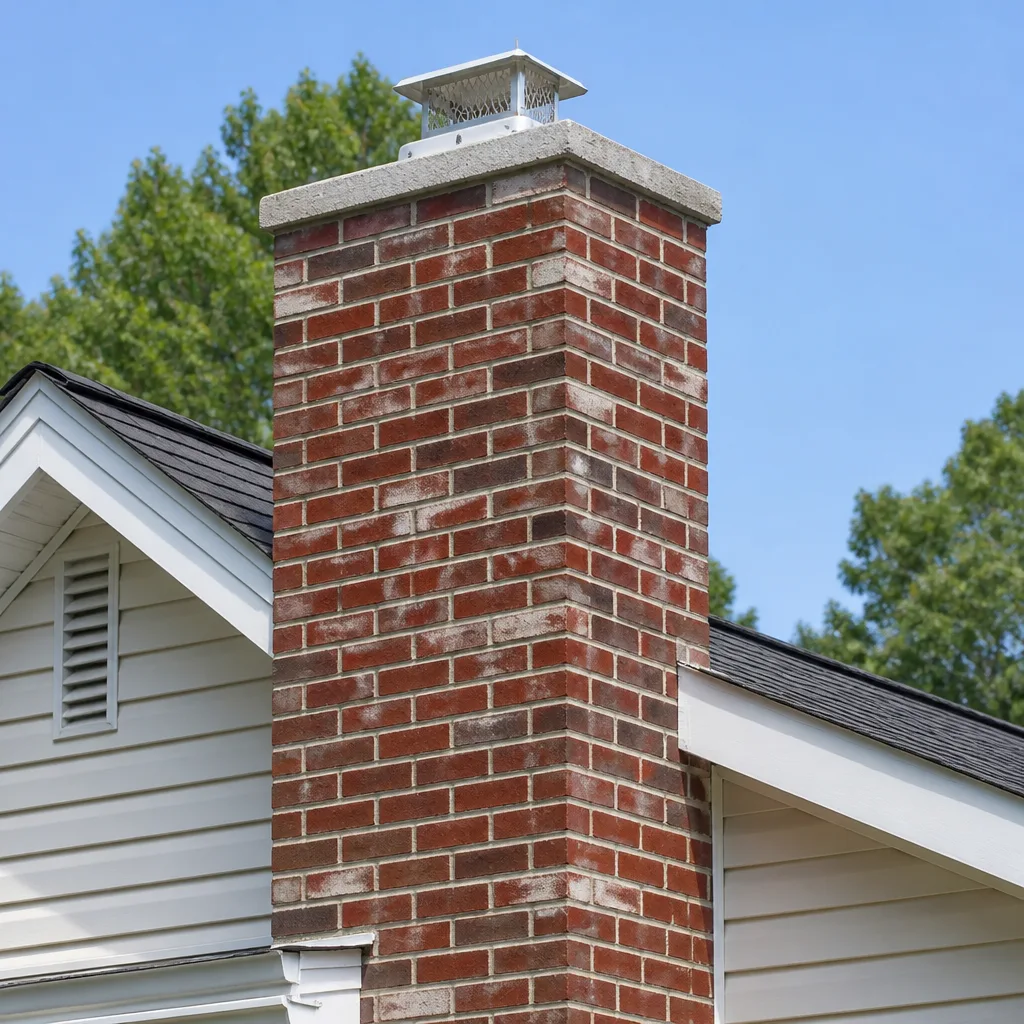 Masonry repair
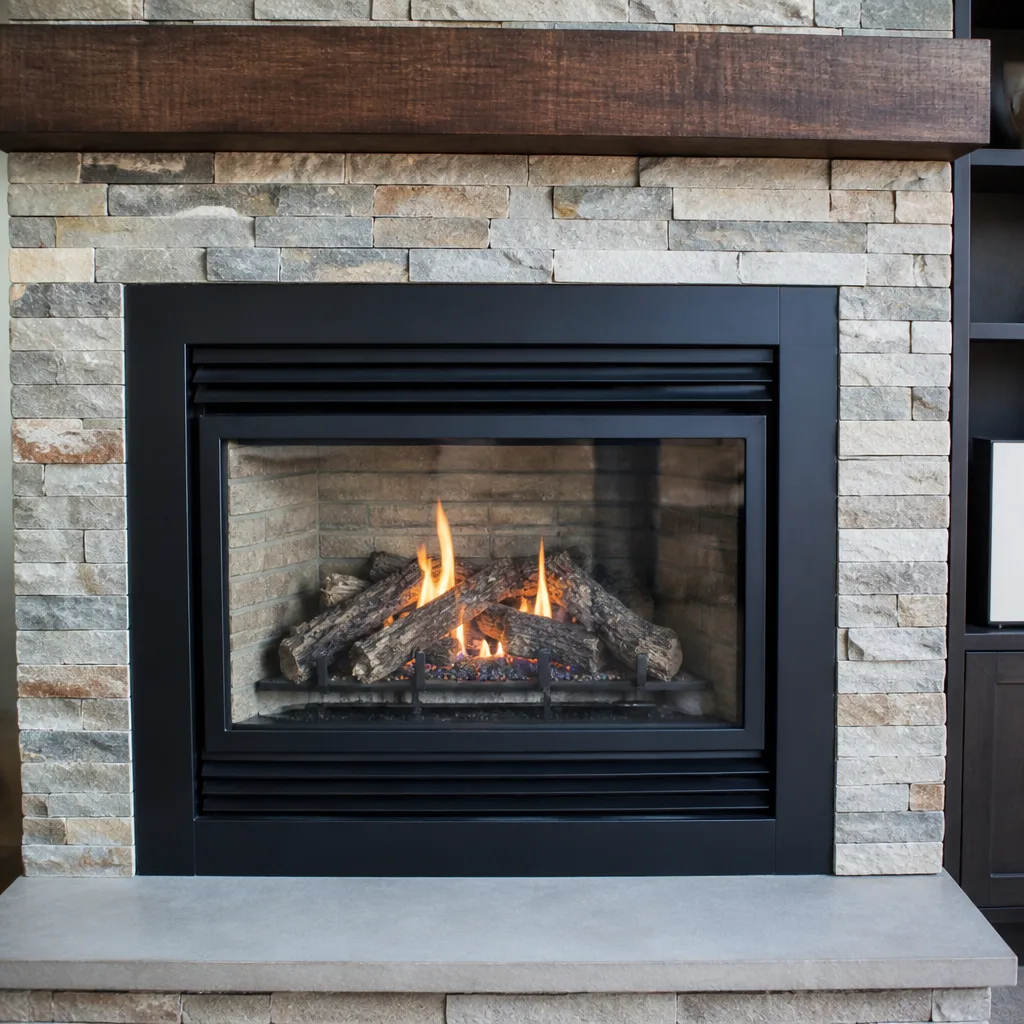 Gas fireplace service
Level 1 sweep and inspection to the NFPA 211 annual standard - flue, crown, cap, and flashing checked and photographed
Chimney sweep logs do not sweep chimneys. They loosen some creosote - which then falls where a brush and vacuum still have to collect it.
Chimney Sweep Maintenance Schedule: What to Do and When
One annual sweep is a floor, not a schedule. The standard advice you’ll find on most chimney websites assumes an average user, and average use is a fireplace lit a few evenings a month through a short season. If you burn wood steadily across a Colorado winter, load three or more cords into the stove, or run a gas insert as your main heat source in a cold snap, that standard doesn’t describe you. Your chimney accumulates creosote faster, sees more thermal cycling, and weathers more freeze-thaw damage than the general guidance anticipates. This guide builds a month-by-month maintenance calendar for Lakewood homeowners who actually heat with fire, covering what to inspect each season, what you can safely check yourself, and what needs a professional’s tools.
Quick Answer
If you burn wood regularly in Lakewood, plan on a professional sweep and Level I inspection each September before the heating season, a mid-season check in January if you’ve burned more than a cord, and a post-season close-out in April that includes a Level II camera inspection every few years. Between professional visits, you check the cap, the firebox, and the visible flue from the damper. The schedule is driven by how much you burn and what you burn, not by the calendar alone.
Styles & brands we work with
- Sweep & inspection
- Caps & crowns
- Flue relining
- Masonry repair
- Gas fireplace service
Table of Contents
- Why a Single Annual Sweep Isn’t Enough
- How to Calculate Your Actual Sweep Frequency
- The September Pre-Season Checklist
- The January Mid-Season Check
- The April Post-Season Close-Out
- What You Can Safely Check Between Professional Visits
- Lakewood’s Freeze-Thaw Cycle and Your Crown
- Which Maintenance Tasks Void Your Insert Warranty
- Common Mistakes to Avoid
- When to Call a Professional
- Frequently Asked Questions
Why a Single Annual Sweep Isn’t Enough
A single sweep each fall keeps most chimneys functional. It doesn’t keep a heavily used chimney safe. The difference comes down to what creosote does over time and what the weather does to the masonry between visits.
Creosote accumulates in three forms. The first is a soft, flaky soot you can brush away. The second is a hardened, glazed deposit that clings to the flue wall. The third is glazed creosote, which forms when a fire runs hot and drives volatile gases onto a cool flue surface. Glazed creosote burns hot and is the fuel behind most chimney fires. Once it’s glazed, brushing does nothing. You need a chemical treatment or resurfacing, and the workload accelerates with every additional cord burned. A single annual visit lets that accumulation sit for months between checkpoints.
The other half of the equation is structural. Lakewood sits at the base of the Front Range foothills, and our winters swing from warm, sunny afternoons to single-digit nights within the same week. That swing drives moisture in and out of mortar, brick, and crown concrete. Freeze-thaw cycles during October through March widen hairline cracks into real ones, and a crown that isn’t checked each fall can be actively failing by February without any visible evidence from the fireplace side.
A maintenance schedule that only accounts for creosote misses half the risk. The year-round rhythm below addresses both. Your chimney system, not just your flue, needs a plan.
How to Calculate Your Actual Sweep Frequency
The right sweep frequency comes from three variables: wood type, cord volume, and fire frequency. Most manufacturers of wood stoves and inserts also publish a guideline based on how much you burn, and the “once a year” advice is really a floor for light users, not a target for steady burners.
Here’s a simple way to estimate your own schedule. Tally the following:
- Estimate your cords per season. A standard cord is 128 cubic feet stacked. Most Lakewood wood burners who heat with fire through winter fall between two and four cords.
- Identify your wood type. Seasoned hardwoods like oak and locust deposit more creosote per cord than seasoned softwoods like pine (which burn faster but dirtier if not dry). Unseasoned wood is the worst offender because half the fire’s energy goes into evaporating water, not burning cleanly.
- Note whether you burn hot or cool. A fire that runs low and smolders all evening creates more creosote than a fire that burns hot with plenty of air. Dampers closed too early, or green wood, accelerate the buildup.
- Match to a schedule. Under one cord: annual sweep. One to three cords: sweep at the start of the season and a mid-season check in January. Over three cords, or heavy burning with questionable wood: plan on two full sweeps per season, with a Level II inspection at least every two years.
If you burn a mix of wood and use a gas fireplace or insert for supplemental heat, the gas appliance still needs an annual service. Gas chimneys build up different deposits, and blocked vents on gas appliances produce carbon monoxide risk rather than creosote. It’s a separate maintenance line item from the wood flue.
If you’re not sure which bracket describes you, that’s normal. A technician can measure the creosote depth on the flue wall during the first visit and give you a real number to work with going forward. We can help you read that result. Schedule a chimney sweep and ask the technician to give you an honest schedule based on what’s actually in the flue, not what the standard advice says.
The September Pre-Season Checklist
September is the right month for the annual visit and the most important professional checkpoint of the year. Fall weather in Lakewood still allows a full inspection, the days are long, and you get ahead of the first big burn. Waiting until November, when the first cold snap hits, means you’re booking during the busiest weeks.
Here’s what a September service appointment should cover:
- Full sweep of the wood flue. Brushing from the top down or bottom up, depending on the chimney, with a visual check at every stage.
- Level I inspection. A visual examination of the firebox, damper, smoke chamber, flue, and exterior masonry to the extent safely accessible.
- Level II camera inspection if needed. A video scope of the flue interior if there are signs of cracking, glazing, or unlined sections.
- Crown and cap assessment. A close look at the crown’s surface and edges for cracks, chips, and separation from the flue tile. The cap has to be checked for animal activity, damage, and secure fastening.
- Exterior brick and mortar check. Look for spalling, white staining (efflorescence), and crumbling mortar joints, especially at the roofline where snow sits longest.
- Damper function test. Confirm the damper opens fully, seats tightly, and isn’t warped.
- Spark screen and rain cap review. Debris removal and a check that the screen isn’t broken or blocked.
September is also the right time to book a chimney cap & crown evaluation if your existing cap is rusted or the crown is cracked. Small crown repairs done in fall, before the first freeze, prevent the deeper damage that a full crown rebuild addresses later.
The January Mid-Season Check
By January, a heavy Lakewood burner has typically pushed one to two cords through the flue. That’s the right point for a mid-season look if you’re in the two-to-three cord bracket. A January appointment is a spot-check rather than a full service. In most cases the technician sweeps a light dusting off the flue wall, checks the firebox for gaps, and inspects the exterior crown and masonry to confirm nothing has shifted since September.
Skip the mid-season visit if you burn under a cord. Book it if you burn more, or if you’ve noticed any of these signals:
- A stronger or different smell from the fireplace while burning
- Smoke rolling back into the room when the damper is open
- A visible dark glaze on the flue tile from inside the firebox
- A new crack in the mortar or the crown visible from the ground
- Any unusual noise during a fire, or a furnace-like roar that seems too strong
These signals don’t always indicate a serious problem. They always deserve a professional’s eye. Call (855) 964-4542 to book a mid-season visit if any of them show up in January or February. Same-day appointments are often possible in the quieter weeks of the season.
The April Post-Season Close-Out
April is when you confirm the chimney survived the winter intact. Most homeowners think of maintenance as something to do before burning, but what happens to masonry during the heating season sets up what you find in fall. Closing out in April catches exterior damage early enough to repair it in milder weather, before the summer sun bakes a crack open wider.
The April close-out should include:
- Exterior walkaround from the ground and roof. Brick faces, mortar joints, crown surface, and flue tile crowns.
- Top-down look at the flue. If a sweep in March or April is on the schedule, this is when it happens.
- Cap and screen check. Confirm birds, squirrels, and raccoons haven’t moved in over the summer absence months.
- Firebox and hearth review. Look for cracking in the firebox bricks and clean any ash accumulation.
- Close the damper fully and check the seal. A damper that doesn’t seat lets conditioned air out and humid summer air in, both of which accelerate interior flue deterioration.
April is also the right time to schedule any crown or fireplace repair found during the winter. Repairs done before the summer oven-bake hold up longer. If the fall inspection flags new issues, you’ll already have a baseline from spring to compare against.
What You Can Safely Check Between Professional Visits
Between visits, some checks are safe and useful. Others genuinely aren’t. The line between them is worth knowing.
Safe checks you can do yourself:
- Look up the flue from the damper with a bright flashlight. You’re looking for soot buildup, glazed sections, and light coming through cracks in the tile.
- Look at the firebox brick for open mortar joints or loose bricks.
- Check the damper opens and closes freely.
- From the ground, look at the cap for damage and confirm the spark screen is intact.
- Look for white staining or crumbling mortar on the exterior brick, especially at the roofline.
- Note any change in draft, smell, or smoke performance and write it down to share with your technician.
Not safe to do yourself:
- Anything on the roof or requiring a ladder to the chimney top. Falls are the leading chimney-related injury.
- Removing or inspecting the flue liner from inside without proper tools.
- Climbing into a firebox or reaching past the damper.
- Attempting to clean glazed creosote with a hand brush or chemical approach without training. Glazed creosote is flammable and mishandling it is dangerous.
- Lighting a test fire to “check” a chimney you’re unsure about.
The professional tool that separates a check from a diagnosis is the camera. A Level II inspection uses a video scope to see the entire flue interior, including the sections you can’t see from the damper. In our experience, most liner problems surface during this step rather than from the firebox. That’s why we inspect before we recommend, and why a camera report matters more than a flashlight.
If your flashight check turns up anything that concerns you, call (855) 964-4542. We answer 24/7. A call outside dispatch hours is booked into the next opening, Sunday through Friday, 7am to 7pm.
Lakewood’s Freeze-Thaw Cycle and Your Crown
Lakewood’s position along the Front Range means winters that swing hard between melting and freezing. A sunny January afternoon at 55 degrees can turn into a below-zero night within the same week. Water soaks into the concrete crown and any hairline cracks in the mortar, freezes overnight, expands, and widens the crack a fraction of a millimeter. Do this forty or fifty times per winter and a hairline becomes a structural issue.
That cycle is why fall matters more than spring for exterior inspection. A crown in September is what the winter will act on for the next six months. If it’s already cracked, the freeze-thaw cycle will keep pushing the crack wider. If it’s sound, it holds. Get it checked in fall and repair it in fall, while the mortar has time to cure before the first deep freeze.
What the technician is looking for on the crown:
- Cracks radiating from the flue to the crown’s outer edge
- Chipping or spalling along the edge
- Separation between the crown and the flue tile
- Ponding water or visible staining
- Signs the crown is sloped toward the flue tile instead of away from it (a common construction issue that directs water into the flue)
Crown repairs range from a sealant application for hairline cracks, to a full resurfacing, to a complete rebuild if the crown is failing structurally. HeatShield is one of the professional-grade materials we work with for crown and flue resurfacing jobs where a full rebuild isn’t required. The right approach depends on the depth of the crack, not on a one-size recommendation. Gelco and Famco provide additional options for crown repair and masonry work, and the choice comes down to how much of the crown is failing.
A Lakewood Chimney Sweep Experts appointment includes a crown assessment by default, because the exterior is half the risk. If you’ve never had your crown evaluated, September is the right month to change that.
Which Maintenance Tasks Void Your Insert Warranty
If you have a wood stove or insert, the manufacturer publishes maintenance requirements that are usually buried in the owner’s manual. Skip them and the warranty may not cover a failure later. Most homeowners don’t know these requirements exist until a warranty claim gets denied.
The four most common warranty-voiding gaps:
- Missing annual inspection records. Many insert manufacturers require evidence of an annual professional inspection. Without a written record, a later claim for a warped firebox or cracked baffle may be denied on the grounds that inspection lapses caused the damage.
- Improper fuel use. Burning unseasoned wood, trash, or anything other than the fuel listed voids most warranties on stoves and inserts. A technician who examines the firebox can often tell.
- Running the appliance with a damaged gasket or baffle. If either is compromised and burn continues, metal fatigue or warpage often ends the warranty coverage on the affected parts.
- Missing liner or venting replacement timelines. Some manufacturers specify maximum liner service life. A liner that measures past that window before a repair invalidates a later claim.
The practical fix is simple. Keep the inspection and sweep records for as long as you own the appliance, and have the technician note model and serial numbers on every report. Olympia Chimney liner systems are specified on many modern inserts, and any relining work should match the appliance’s own venting requirements. That’s why we work with Olympia Chimney and DuraFlex for relining: the systems meet the venting standards the appliance was built for.
Common Mistakes to Avoid
- Treating a “quick sweep” as maintenance. A brush and a flashlight aren’t an inspection. A sweep clears creosote; an inspection confirms the liner, crown, and firebox are still safe. Both are needed, and they’re not the same visit.
- Waiting until November to book. Lakewood’s first real cold snap often arrives in late October or early November, and the calendar fills up. September is the calm month. Book it in late summer.
- Burning unseasoned wood to stretch the supply. Green wood deposits more creosote per cord, and the difference shows up in your next inspection. Season wood for at least a full year before burning.
- Skipping the crown because the firebox looks fine. The crown protects the chimney from water infiltration and freeze-thaw damage, and it fails silently from the inside. Missing it during a sweep is the single most common source of spring repair work we see.
- Assuming gas appliances need no maintenance. Gas fireplaces and inserts still need annual service. Blocked vents produce carbon monoxide risk rather than creosote, and the consequences are more serious. Never skip the annual service on a gas appliance.
- Ignoring the manual on an insert or stove. Manufacturer maintenance records exist for a reason. Losing warranty coverage over a skipped inspection is one of the avoidable costs of chimney ownership.
- Assuming once a year is enough for every household. If you burn more than a cord, or you’re in a dry wood-poor year where you’re mixing in wet wood, you’re in a higher maintenance bracket. Frequency is a function of use, not calendar.
When to Call a Professional
Schedule a professional visit for any of these situations. Each one is a genuine safety signal, not a perception.
- You haven’t had the chimney inspected in over a year and you burn wood regularly.
- You’ve noticed a strong creosote smell, smoke rolling back into the room, or a change in how the fire draws.
- You’ve seen glazed creosote from the damper or had a recent chimney fire (even a small one).
- The crown is cracked, chipped, or has visibly separated from the flue tile.
- The cap is missing, damaged, or has animal activity.
- You’ve moved into a new home in Lakewood and don’t have the previous owner’s inspection records.
- You have a gas insert or fireplace and haven’t had it serviced in over a year.
Lakewood Chimney Sweep Experts offers free estimates in Lakewood. Call (855) 964-4542. We answer 24/7, with fast dispatch from 7am to 7pm, Sunday through Friday. Bring a photo of the chimney from the ground and any appliance manual you have. We inspect before we recommend anything, and you’ll see the camera findings before any work is proposed.
Frequently Asked Questions
Most Lakewood homeowners should have their chimney swept once per year before the heating season, with a mid-season check if they burn more than one cord of wood. If you burn three or more cords per winter, plan on two full sweeps per season. Call (855) 964-4542 for an estimate tailored to your actual usage.
No. A Level II camera inspection is not required annually for a chimney with no history of problems. Most homeowners need a Level I inspection every year and a Level II inspection every two to three years, or any time there’s a change in the system, a suspected problem, or a real estate transaction. In Lakewood, we recommend a Level II inspection before any crown or liner repair decision.
A sweep removes creosote and debris from the flue. An inspection evaluates the condition of the full chimney system, including the liner, firebox, crown, and exterior masonry. Both happen in a typical service visit, and the inspection is what reveals whether a repair is needed. Call (855) 964-4542 to schedule both together.
A light-use season can sometimes be skipped for the sweep, but not for the inspection. The crown, cap, and exterior masonry are still exposed to Lakewood freeze-thaw cycles regardless of how often the fireplace ran. A visual inspection each fall catches exterior deterioration whether or not the firebox needs a sweep. Call for an exact recommendation.
Skipping maintenance doesn’t produce an immediate failure in most cases, but it does allow two things to happen at once. Creosote accumulates to the point where a single hot fire can ignite it, and freeze-thaw damage quietly widens crown and mortar cracks. Both are preventable with a routine visit each fall. Call (855) 964-4542 to schedule the first one.
Yes, in one important way: fall inspection matters more than spring in Lakewood because of the Front Range freeze-thaw cycle. A crack in the crown at the start of October can widen significantly by February, but a crack you find in April has already survived the season. Fall inspection and repair prevents damage that spring inspection only diagnoses.
The Bottom Line
Chimney maintenance in Lakewood isn’t a single annual event. It’s a calendar built around your actual burning habits: a September pre-season sweep and inspection, a January check if you’re a heavy burner, an April close-out to catch winter damage, and ongoing self-checks between professional visits. Burn type, cord volume, and fire frequency dictate how often a sweep is really needed, not a one-size rule from a website. If you’re on the fence about your schedule, the simplest starting point is a professional assessment that gives you a real number to work from. Call (855) 964-4542 for a free estimate. We answer 24/7, with fast dispatch from 7am to 7pm, Sunday through Friday. One call covers sweep, inspect, repair, and protect.
Written by the team at Lakewood Chimney Sweep Experts.
See the difference
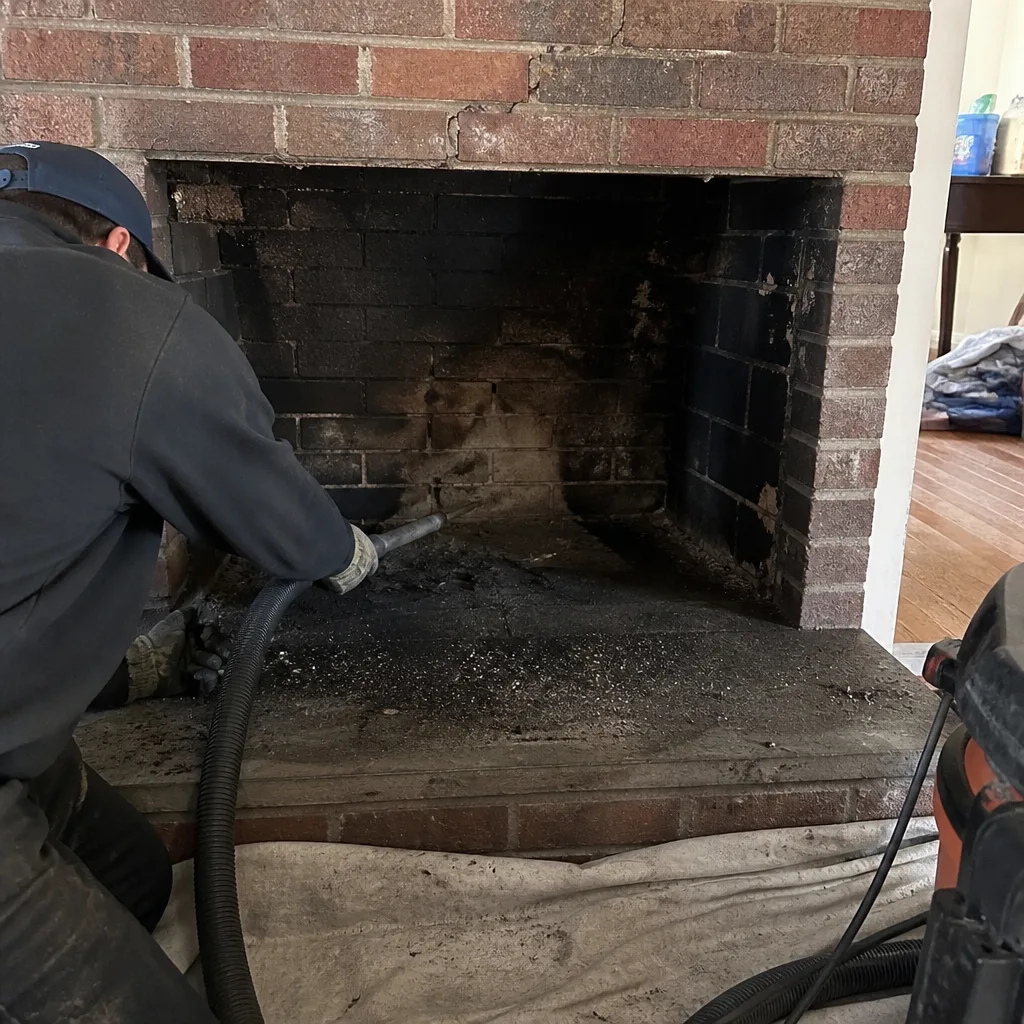 Before
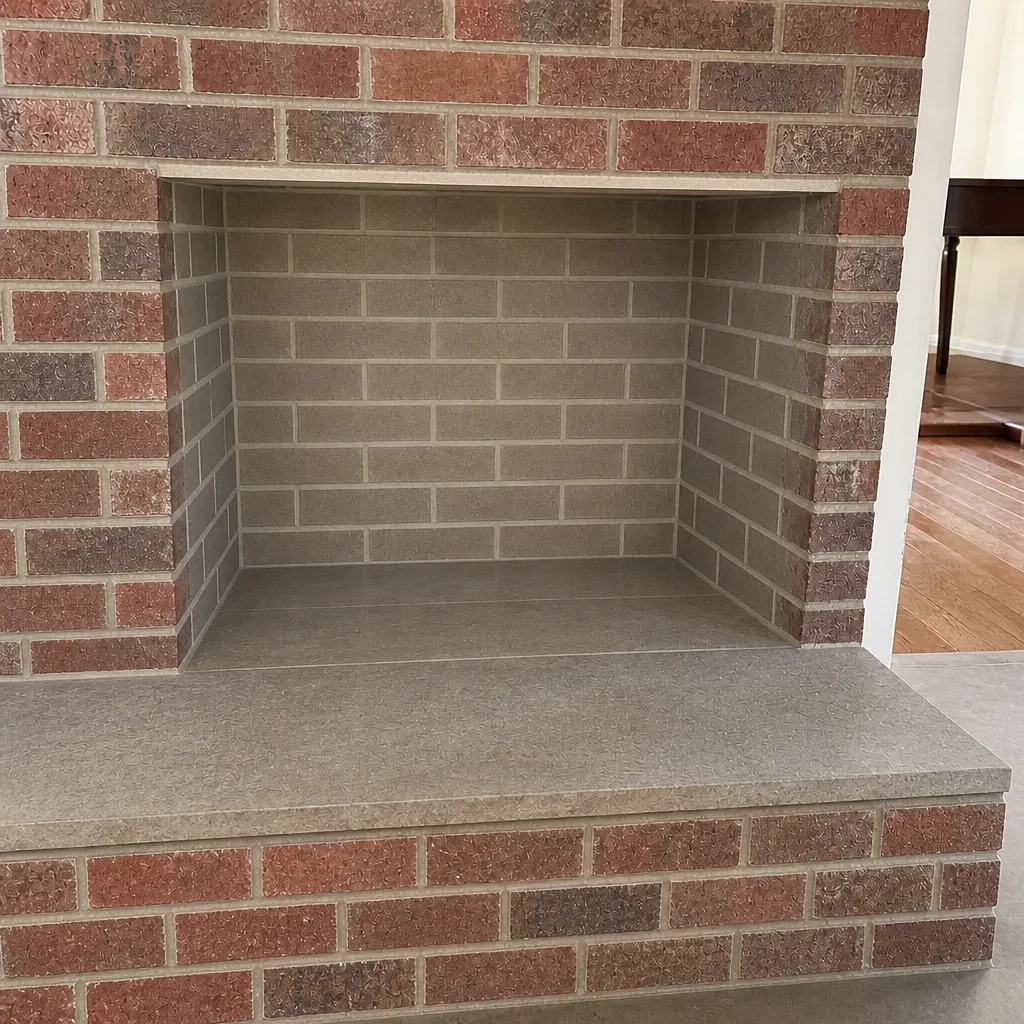 After
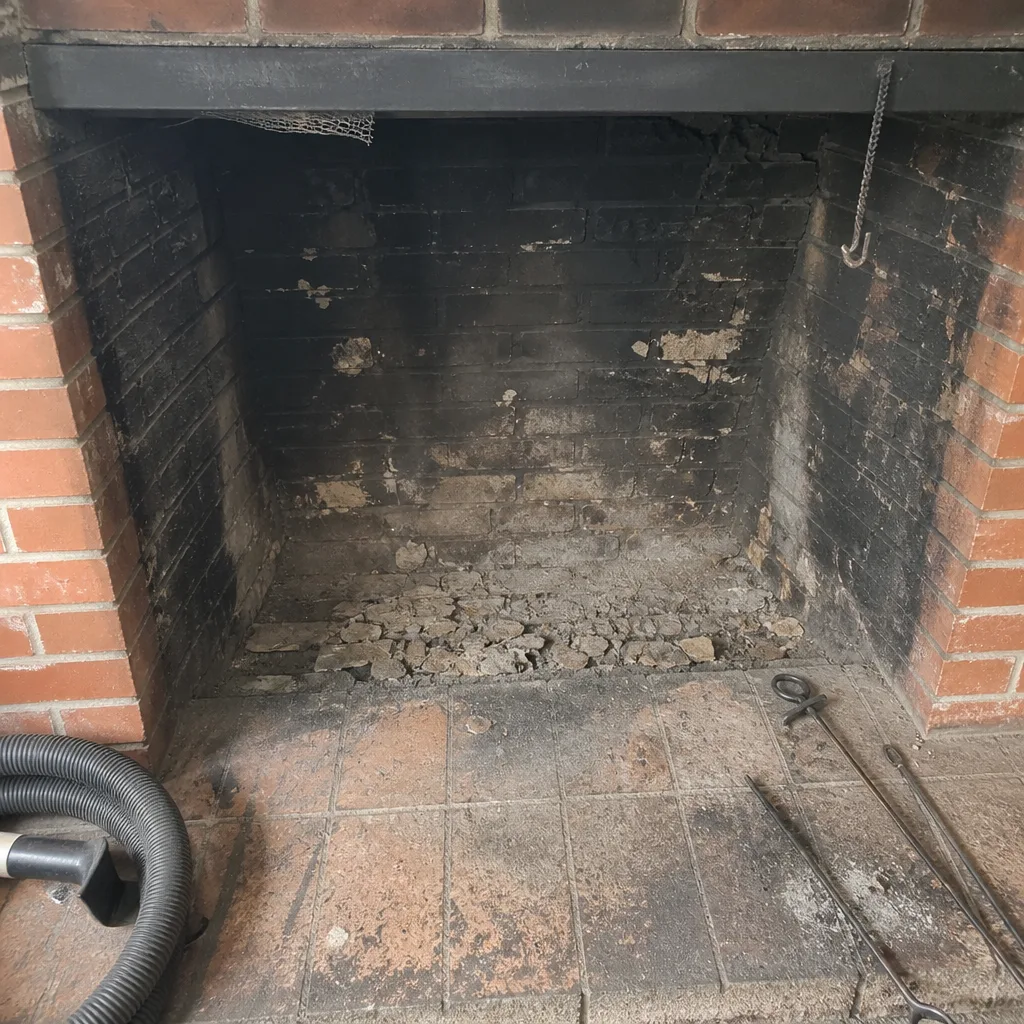 Before
 After
 Before
 After