
Last updated November 23, 2026
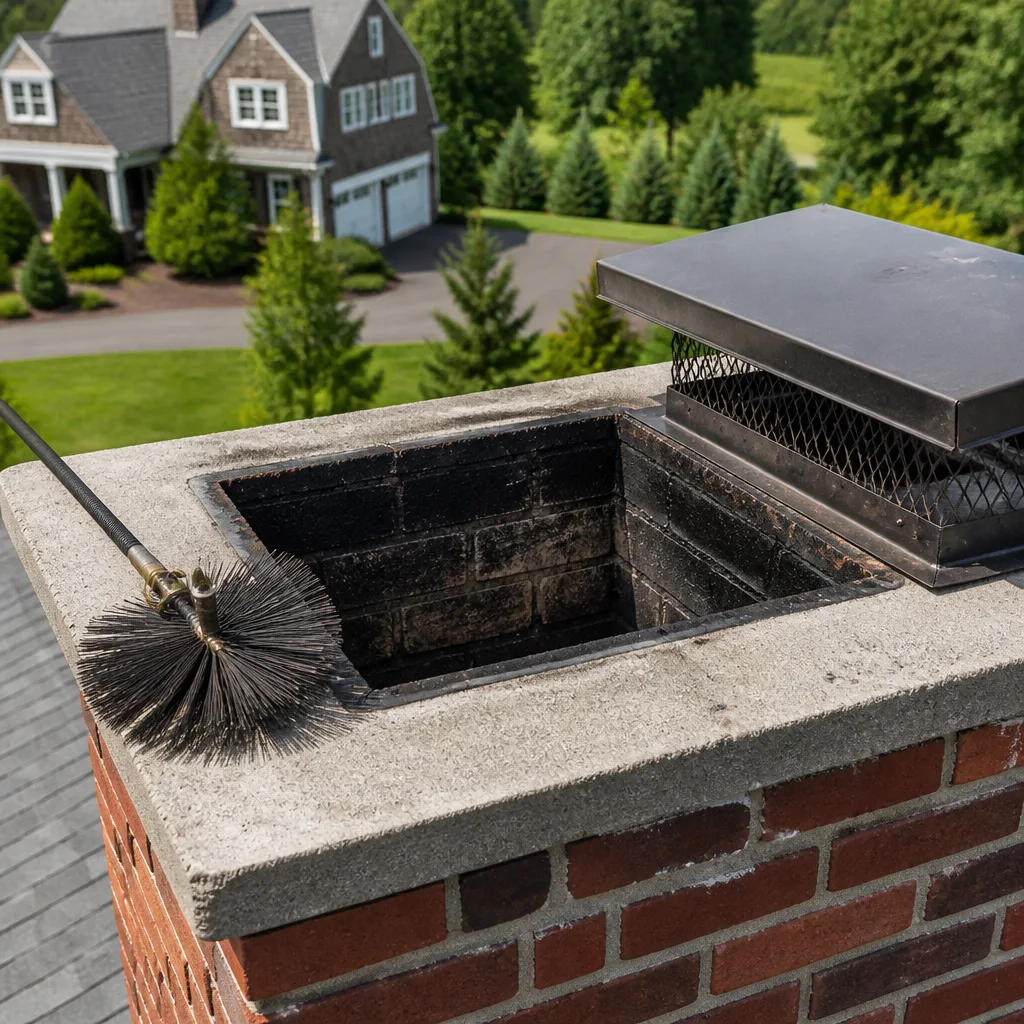 Sweep & inspection
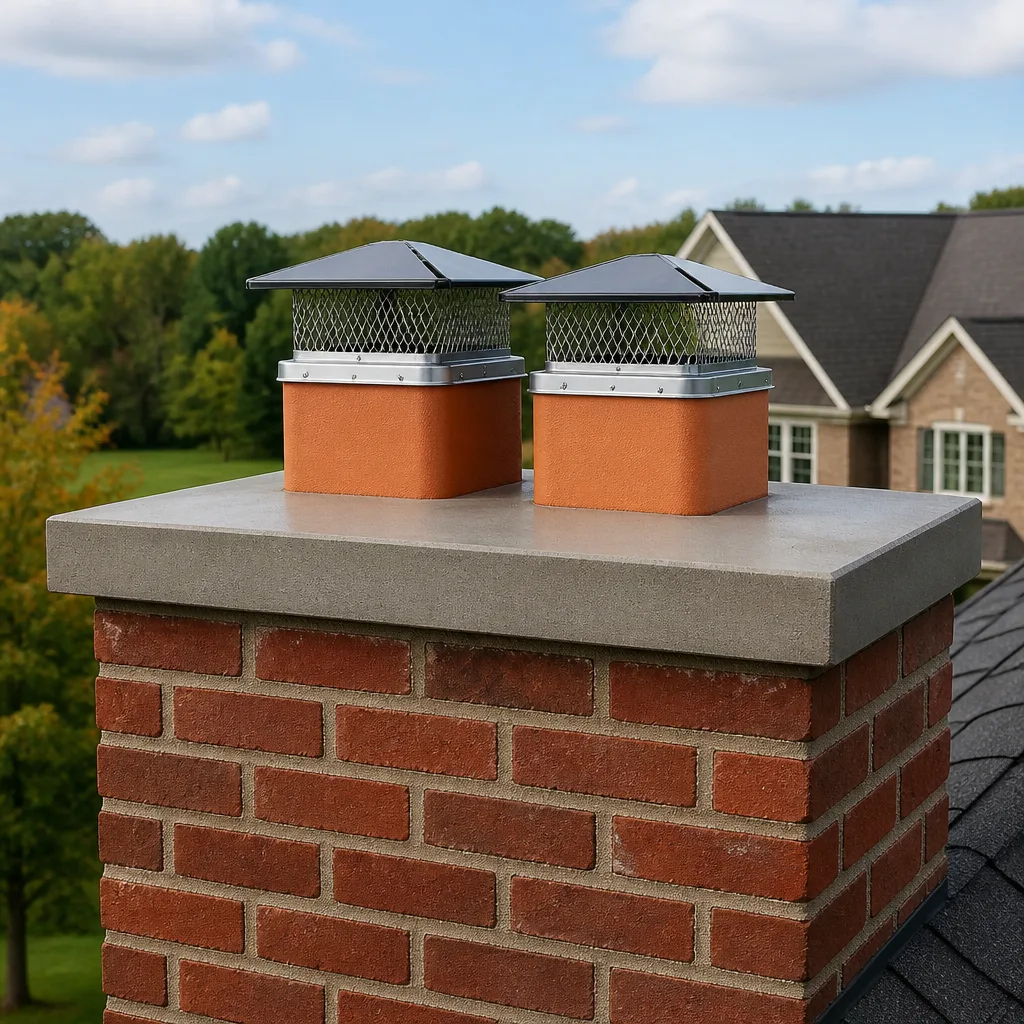 Caps & crowns
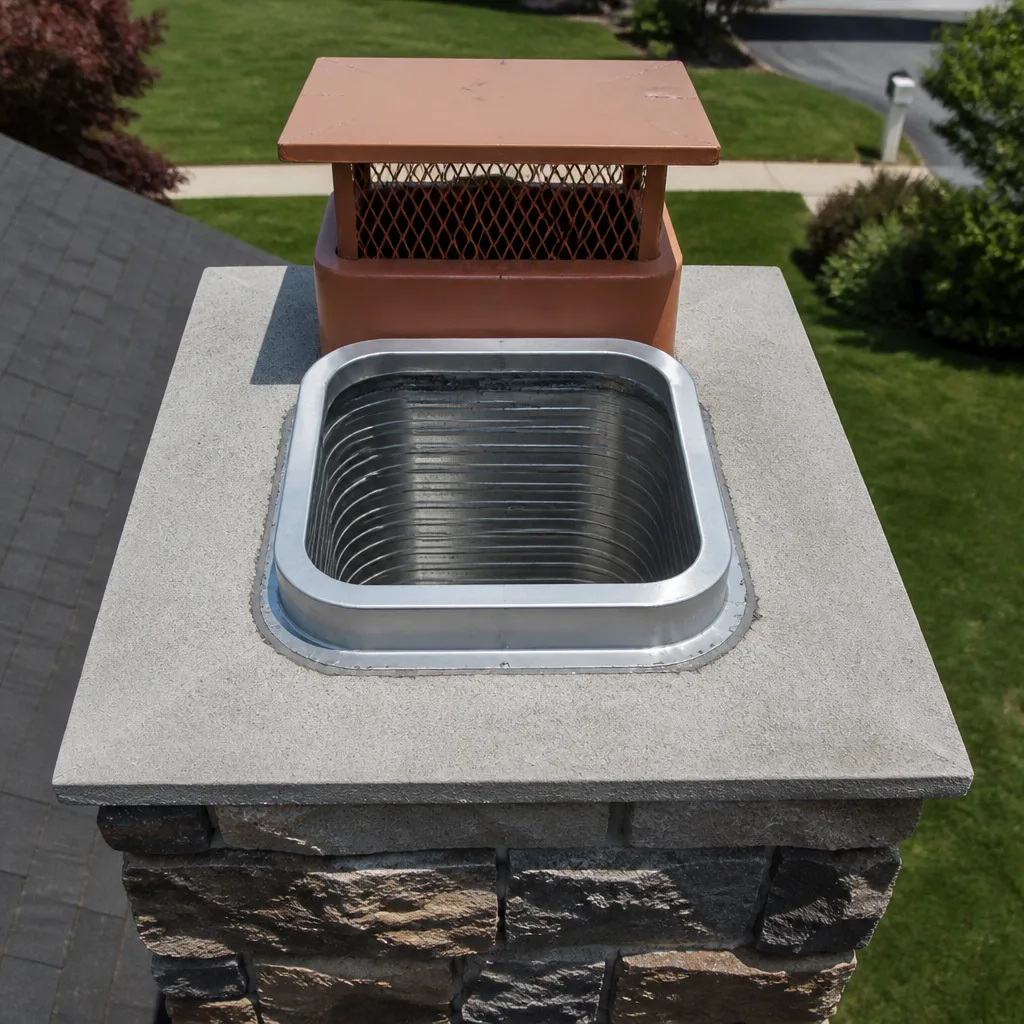 Flue relining
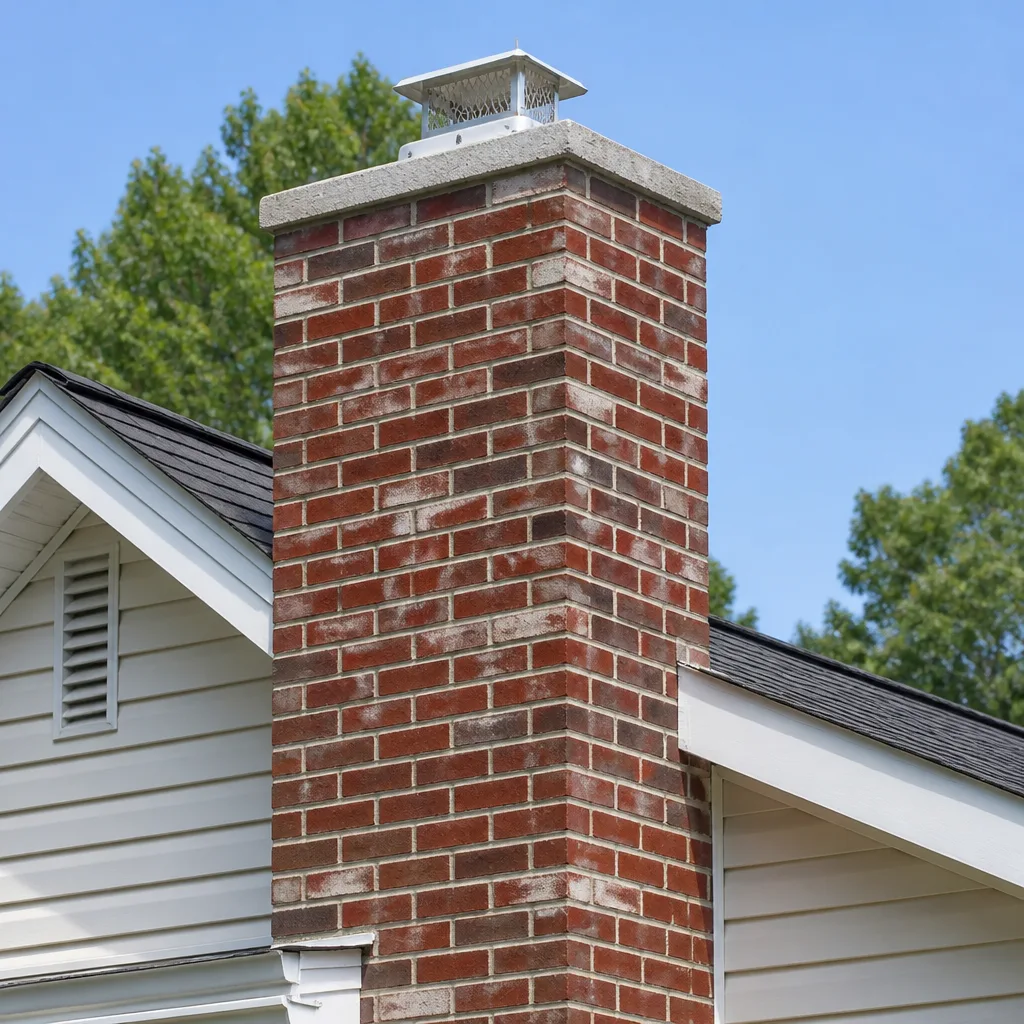 Masonry repair
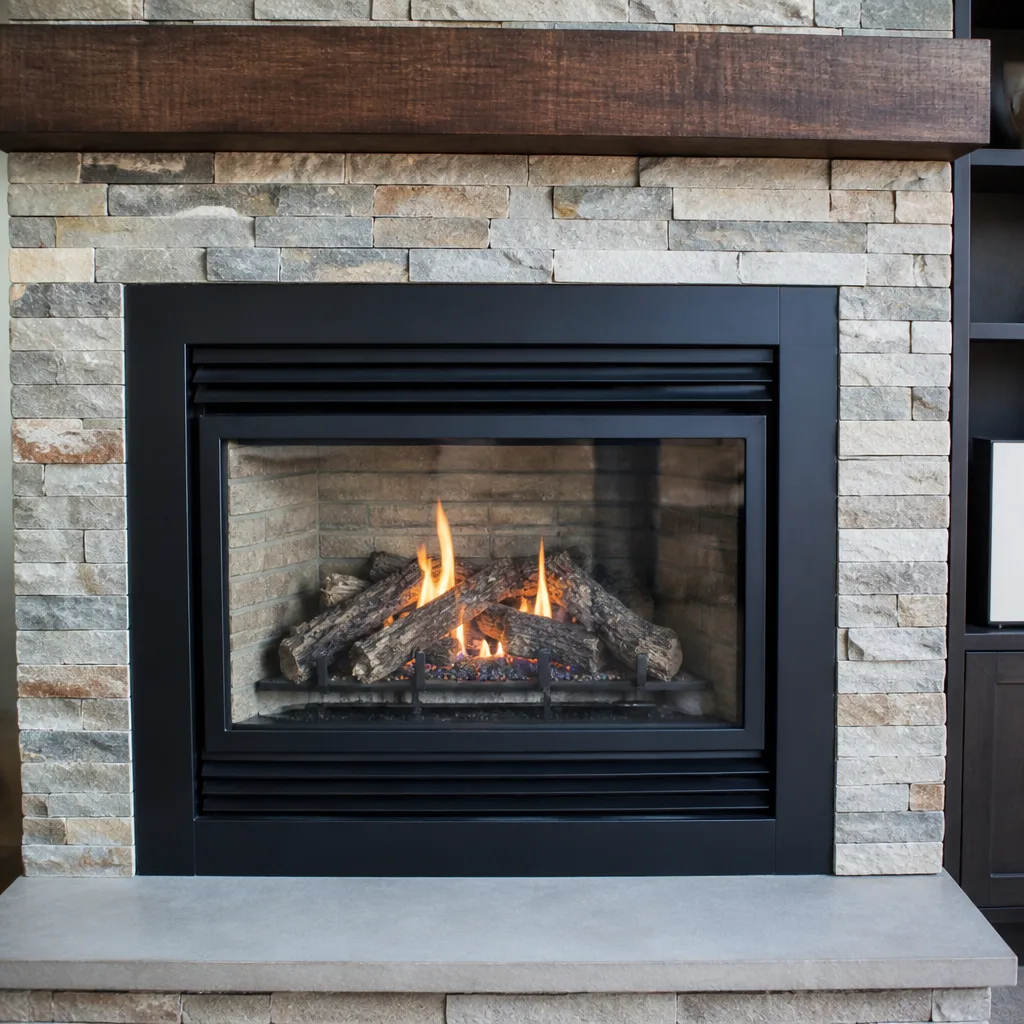 Gas fireplace service
Level 1 sweep and inspection to the NFPA 211 annual standard - flue, crown, cap, and flashing checked and photographed
Chimney sweep logs do not sweep chimneys. They loosen some creosote - which then falls where a brush and vacuum still have to collect it.
Chimney Sweep Maintenance Checklist for Lakewood Homeowners
The most dangerous chimney condition we encounter produces no smoke, no smell, and no change in draft. A cracked flue tile hides behind the firebox wall, invisible from any angle a homeowner can reach, and it stays invisible until hot gases find a path into the framing. That’s the problem with most chimney checklists: they tell you what to look at from the firebox and stop there, which leaves the costliest failures permanently out of view. This guide separates what you can verify yourself in Lakewood, what needs a technician’s tools, and what should send you to the phone today. You’ll finish knowing exactly which maintenance tasks belong to you and which don’t.
Quick Answer
A chimney maintenance checklist for Lakewood homeowners has three tiers: ground-level observations you can do safely (cap condition, crown cracks, exterior staining, creosote odor), interior checks that need a flashlight and no climbing (damper movement, firebox cracks, smoke behavior), and professional-only inspections (flue tile integrity, liner condition, camera scans of the smoke chamber). Sweep annually if you burn regularly, inspect every year regardless, and call a professional the moment you see cracked masonry, water staining on the ceiling, or a damper that won’t seal. Lakewood’s snowmelt cycles and spring windstorms make post-winter and post-storm checks especially important.
Styles & brands we work with
- Sweep & inspection
- Caps & crowns
- Flue relining
- Masonry repair
- Gas fireplace service
Table of Contents
- The Three-Tier Checklist: What You Can Check, What Needs a Pro
- Lakewood Seasonal Triggers: When to Schedule What
- Ground-Level Masonry and Cap Conditions You Can Assess Safely
- What to Document Between Professional Visits
- How Burn Frequency Changes Your Maintenance Priorities
- What Happens During a Professional Inspection
- Common Mistakes to Avoid
- When to Call a Professional
The Three-Tier Checklist: What You Can Check, What Needs a Pro
Think of chimney upkeep as a decision tree rather than a list. Every item on a maintenance checklist belongs to one of three tiers, and each tier has a different owner and a different rationale. Mixing them up is how homeowners end up either skipping real problems or paying for inspections they didn’t need.
Tier 1 – You can do this safely, from the ground or the firebox. These are observations, not repairs. You’re looking for change, not diagnosing cause.
- Walk the exterior and look at the cap: is it intact, attached, and free of visible rust or warping?
- Check the crown (the sloped concrete at the top of the chimney) for visible cracks from a distance.
- Scan the exterior masonry for white staining, dark streaks, or spalling brick faces.
- Open the firebox and look at the back wall for gaps, crumbling mortar, or cracked firebrick.
- Test the damper by hand: it should open and close smoothly and seal flat.
- Smell the firebox when the chimney is cold. A strong creosote odor means buildup.
- Watch smoke behavior on your first fire of the season: it should rise steadily, not roll back into the room.
Tier 2 – You can do this with a flashlight and a ladder you already own, without climbing. These need better light or a closer angle, but still no rooftop work.
- Look up the flue from the firebox with a bright flashlight for visible soot depth.
- Check the smoke chamber shelf for heavy soot accumulation (visible from below).
- Inspect the firebox-to-hearth joint for gaps.
- Look at the roof flashing line from the ground with binoculars if you have them.
Tier 3 – Professional tools only. Do not attempt these yourself. These require a rooftop presence, a camera, or a trained eye, and several involve genuine hazard.
- Flue tile integrity – cracked tiles are invisible without a camera or rooftop view.
- Liner condition, connections, and clearances to combustibles.
- Smoke chamber and damper assembly inspection from above.
- Crown and flashing assessment at roof level.
- Any repair involving the firebox, flue, or masonry structure.
The reason the tiers matter is simple: most chimney failures begin in Tier 3 and only show symptoms in Tier 1 after significant damage. Your job in Tier 1 is to notice symptoms early. Our job in Tier 3 is to find the cause before it becomes structural. When we inspect before we recommend, the checklist and the inspection line up.
Lakewood Seasonal Triggers: When to Schedule What
Lakewood sits at the edge of the Front Range, which means the seasons here create a specific maintenance rhythm that a generic checklist misses. Snow accumulates, melts, refreezes, and finds its way into masonry joints. Spring brings wind, and wind brings debris onto caps and into flues. Summer dries things out and preps for fire season. Fall is when homeowners remember the chimney exists. Each season has a corresponding task.
Late Winter and Snowmelt (February through April)
This is the highest-value window for a check you can do yourself. As snow melts off the roof, watch for water staining on interior ceilings near the chimney chase. Exterior masonry that absorbs meltwater and then refreezes will spall, and spalling shows up first as flakes of brick on the roof or ground. If you see white efflorescence on the exterior brick, moisture is moving through the masonry. That’s a Tier 3 issue, and it’s the reason post-winter is a good time to book an inspection.
Spring Windstorm Season (April through June)
Front Range windstorms dislodge caps, tear flashing, and drop branches onto chimney tops. After any significant wind event, do a ground-level check: is the cap still seated? Any new cracks in the crown? Any debris on the roof around the chimney? This is a Tier 1 task that takes five minutes and catches problems before they compound. If the cap is missing or tilted, that’s an immediate call, because an open flue is an open door for water, birds, and sparks.
Pre-Fire-Season (August through September)
Before you light the first fire, the chimney should be swept and inspected. Creosote that built up over the previous winter has had months to harden. A pre-season sweep clears it. A pre-season inspection confirms the flue, liner, and firebox are ready for a heating season. This is also the right time to address the chimney cap & crown if either showed wear during the spring wind check.
Heating Season (October through January)
During active burning, your checklist shifts from maintenance to monitoring. Watch smoke behavior, listen for unusual sounds, and note any change in draft. Most chimney problems announce themselves quietly during this window, and the homeowners who catch them early are the ones who documented their system in the fall.
Ground-Level Masonry and Cap Conditions You Can Assess Safely
The single biggest mistake in home chimney maintenance is climbing the roof without training. It’s also unnecessary for most observation tasks. From the ground, with a pair of binoculars and decent daylight, you can assess more than you’d think.
What you can safely evaluate from the ground:
- Cap stability. A chimney cap should sit level and flush. If it’s tilted, missing, or visibly rusted through, it needs service. Gelco and Famco caps are common on Lakewood homes, and both hold up well when installed properly.
- Crown cracking. The crown is the sloped concrete cap at the very top of the chimney. Hairline cracks are common and often cosmetic. Wide cracks, or a crown that’s visibly separating from the flue, are not. Both are visible from the ground with binoculars.
- Exterior staining. White staining (efflorescence) means moisture is moving through the brick. Dark streaking near the top often means the crown or flashing is failing. Both are worth a professional look.
- Spalling brick. Flaking or crumbling brick faces mean freeze-thaw damage has started. Lakewood’s winter melt-refreeze cycles accelerate this.
- Flashing condition. The metal where the chimney meets the roof should lie flat and be sealed. Lifted or rusted flashing shows from the ground.
- Lean or separation. A chimney that visibly leans, or separates from the house, is a structural concern. Call immediately.
What you should not assess from the ground:
- Flue tile condition (needs a camera or rooftop view)
- Liner connections and clearances (needs rooftop access)
- Smoke chamber integrity (needs rooftop and camera)
- Creosote depth in the upper flue (needs sweeping tools)
This split is the heart of the decision-tree approach. Ground-level observation tells you when to call. It never tells you the full story. A cap that looks fine from twenty feet away can have a torn screen or a warped frame that only shows up close. In our experience, the cap checks are the ones homeowners most often think they’ve done and actually haven’t.
What to Document Between Professional Visits
Every chimney sweep who arrives at your home benefits from a short history of the system. The more you can tell them about how you burn and what you’ve noticed, the better the diagnostic value of the visit. This is the part of chimney maintenance that nobody talks about, and it’s the cheapest thing you can do.
Keep a simple log. It doesn’t need to be formal. A note on your phone or a page in a drawer works.
- Photos. Take one photo of the firebox interior at the start of each heating season. Take one from the ground of the chimney exterior. If something changes, the before-and-after answers a lot of questions. If a cap loosens, you have a dated photo of when it was intact.
- Burn frequency. Roughly how many fires per week during the season. “Two or three fires a week” tells your sweep more than “we burn sometimes.” Frequency determines how much creosote you’re generating and therefore how often the flue needs cleaning.
- Fuel type. Seasoned hardwood, softwood, manufactured logs, or gas. Each produces different deposits. Softwood and unseasoned wood build creosote faster. Manufactured logs can leave different residue. Gas fireplaces have their own venting concerns that don’t involve creosote at all.
- Any changes in behavior. A fire that used to draw well and now smokes back, a damper that used to close smoothly and now sticks, a smell in the room on humid days. Write down the date you noticed it.
- Prior service records. If you’ve had a sweep, an inspection, or a repair, keep the paperwork. If a liner was relined with a DuraFlex or Olympia Chimney system, note the date and material. Future technicians will want to know.
- Weather events. Any major windstorm, hail event, or heavy snow load that hit your roof. These are the events most likely to have caused damage you haven’t noticed yet.
This log turns a routine sweep into a diagnostic visit. Without it, your technician is working from what they can see in a single hour. With it, they’re working from the history of your system. That’s the difference between a sweep and an informed inspection, and it’s why we inspect before we recommend anything.
How Burn Frequency Changes Your Maintenance Priorities
Two Lakewood homes can have identical chimneys and completely different maintenance needs based on how they’re used. The checklist doesn’t change. The weighting does. Here’s how.
Occasional Use (a few fires a month, mostly ambiance)
Your priority is annual inspection and a sweep every couple of seasons, depending on what the inspection shows. Creosote builds slowly at this burn rate. The bigger concern for occasional users is neglect: a chimney that sits unused for months can develop animal nesting, moisture intrusion, and damper seizure. Tier 1 checks should happen at the start of every season even if you’re not sure you’ll burn. Caps and crowns matter more than flue cleaning here.
Regular Use (several fires a week through the season)
Annual sweeping becomes the baseline, not an option. Creosote accumulates in proportion to burn volume, and the deposits harden between seasons. You’ll want the inspection to include a camera pass on the flue and smoke chamber. Documentation becomes important because it tells your sweep how the buildup is trending year over year.
Primary Heat Source (the fireplace carries real heating load)
This is where maintenance discipline pays off most. A chimney carrying primary heat load sees heavy creosote accumulation, hotter flue temperatures, and more thermal cycling on the masonry. Annual sweeping is a minimum, and we’ve seen systems at this burn level that warrant a mid-season check as well. The flue liner condition matters more here than in any other category, and the crown and cap do more work because the system is under continuous load. HeatShield resurfacing is an option worth discussing if the liner shows deterioration, because it can restore a flue without full liner replacement in the right conditions.
| Burn Level | Sweep Frequency | Inspection Frequency | Highest-Priority Items |
|---|---|---|---|
| Occasional (few fires/month) | Every 1-2 seasons | Annual | Cap condition, damper function, animal/water intrusion |
| Regular (weekly) | Annual | Annual | Flue camera pass, creosote depth, smoke chamber |
| Primary heat source | Annual minimum, sometimes mid-season | Annual, camera each time | Liner integrity, crown, cap, thermal cycling |
If you’re unsure which category you fall into, ask during a sweep. Your technician can read creosote depth and tell you what your burn rate actually translates to in maintenance terms. That’s more useful than a guess.
What Happens During a Professional Inspection
A chimney inspection isn’t a single look-and-nod. It’s a structured evaluation of the full chimney system: firebox, damper, smoke chamber, flue, liner, crown, cap, flashing, and exterior masonry. Here’s what a thorough visit covers.
- Interview. Your technician asks about burn frequency, fuel type, any changes in behavior, and anything you’ve noticed. This is where your documentation log pays off.
- Firebox and hearth inspection. Firebrick condition, mortar joints, hearth extension, and clearances.
- Damper and smoke chamber. Damper operation, seal, and the smoke chamber shelf condition. The smoke chamber is a common trouble spot and often overlooked by sweep-only companies.
- Flue and liner camera pass. A camera run through the flue shows tile cracks, gaps, offset joints, and liner degradation. This is the only reliable way to see what Tier 3 problems look like.
- Creosote assessment. Depth and type, which determines whether sweeping is needed now or can wait.
- Rooftop evaluation. Crown, cap, flashing, and exterior masonry at roof level. This is where cracked crowns and lifted flashing get diagnosed.
- Photo report. A camera inspection produces images you can see for yourself. Nothing should be recommended without evidence you have looked at.
This is the full-system view that separates a real inspection from a quick sweep. When someone recommends thousands of dollars of liner or masonry work, the first question should be: can I see the photos? If the answer is anything other than yes, that’s your signal. Repairs are sometimes necessary, and sometimes they can wait a season. Both answers are legitimate when the evidence is on the table. Neither is legitimate without it.
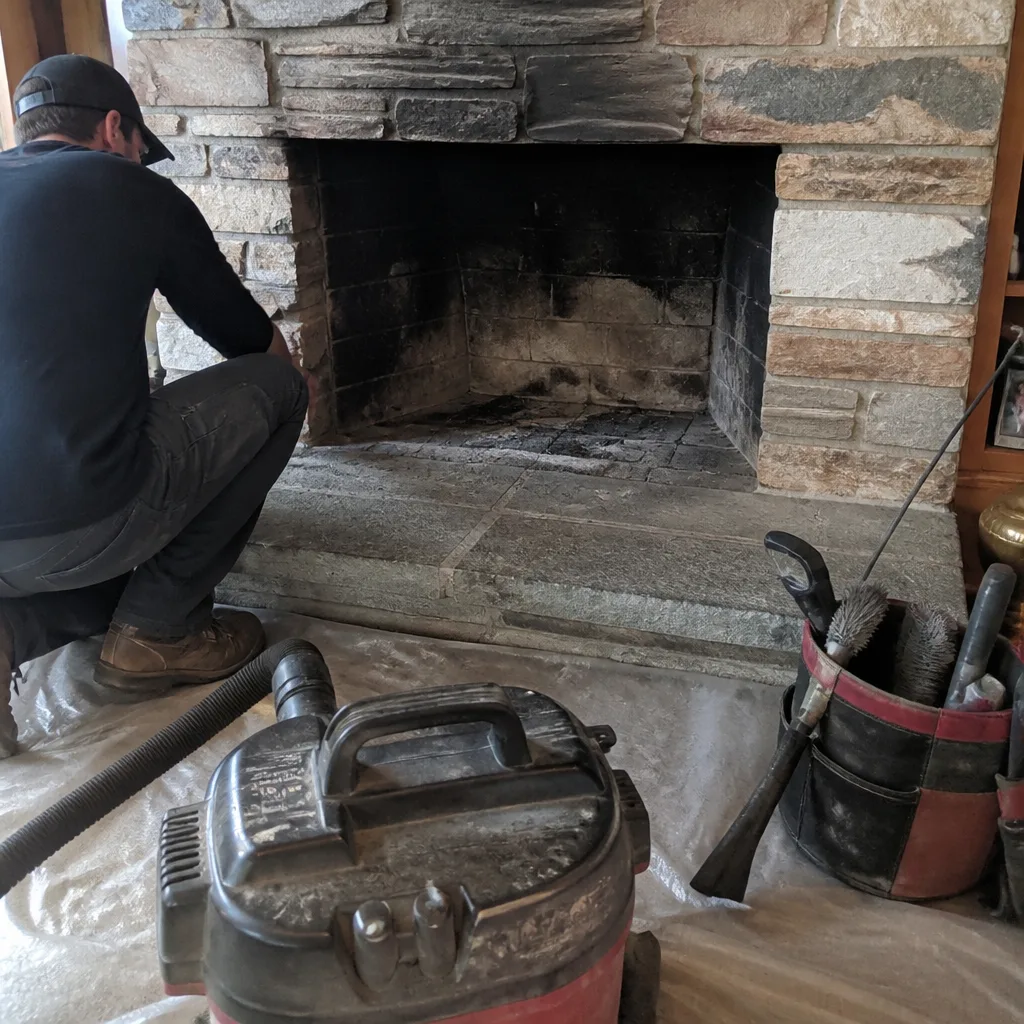
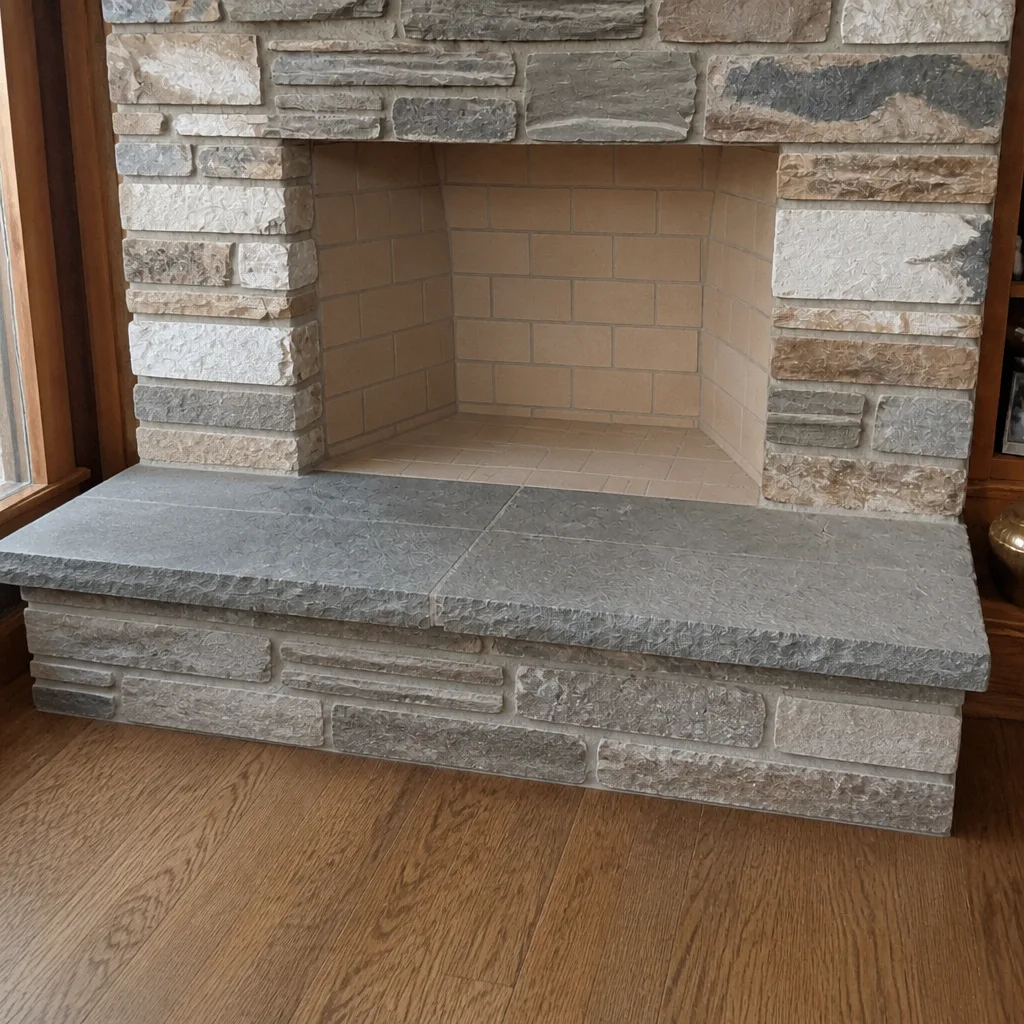
For the sweep portion of the visit, the process runs quickly: drop cloths, brush the flue from the top or bottom depending on configuration, vacuum with a HEPA unit, clean the firebox and smoke shelf, and confirm the damper still operates. It takes less time than most homeowners expect. You can read more about what a standard chimney sweep in Lakewood includes if you want the full breakdown.
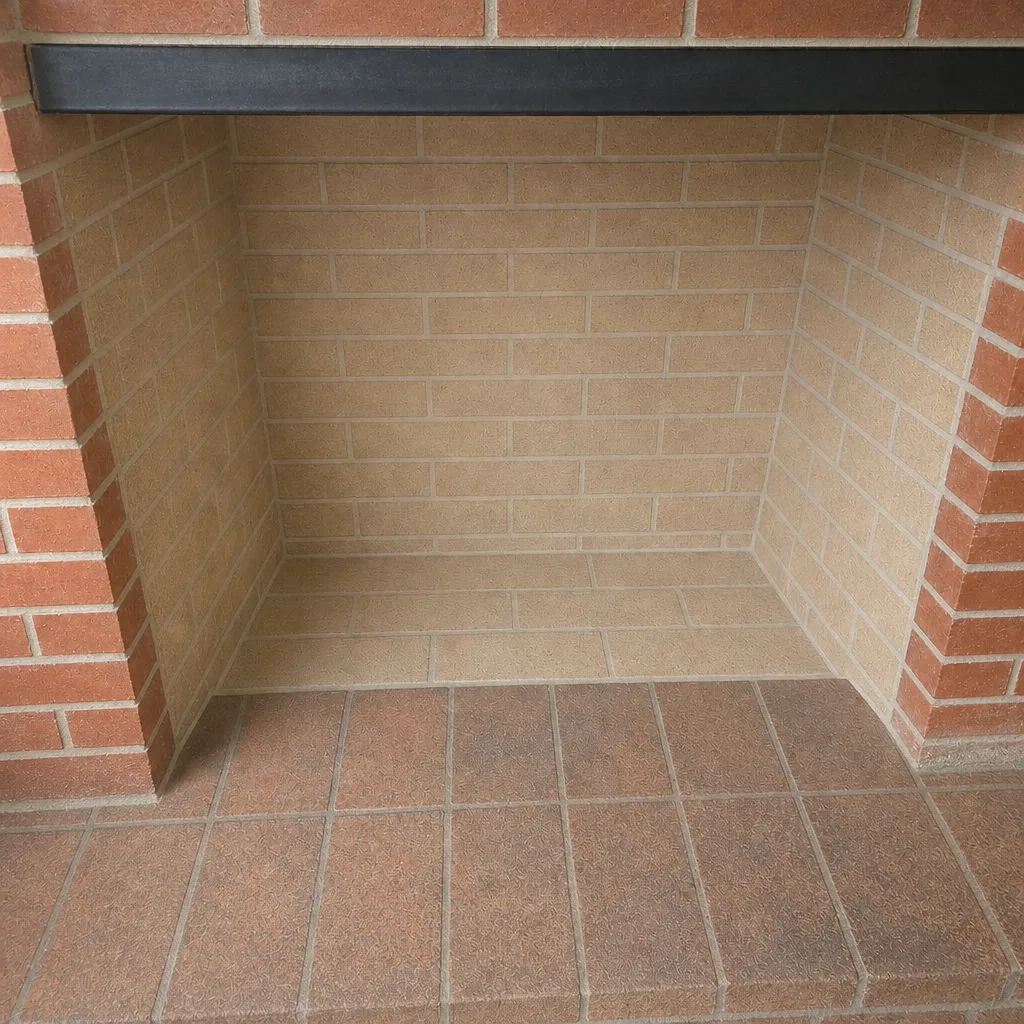
See the difference
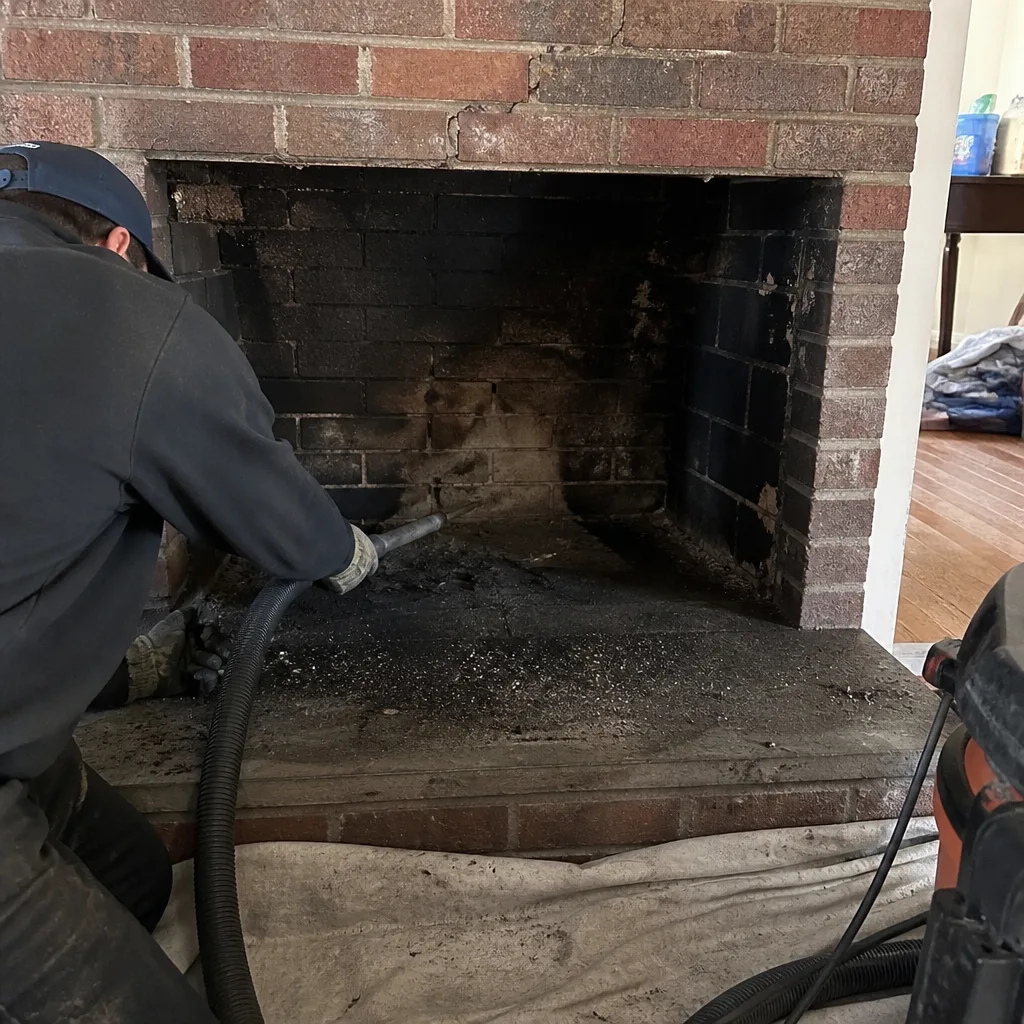 Before
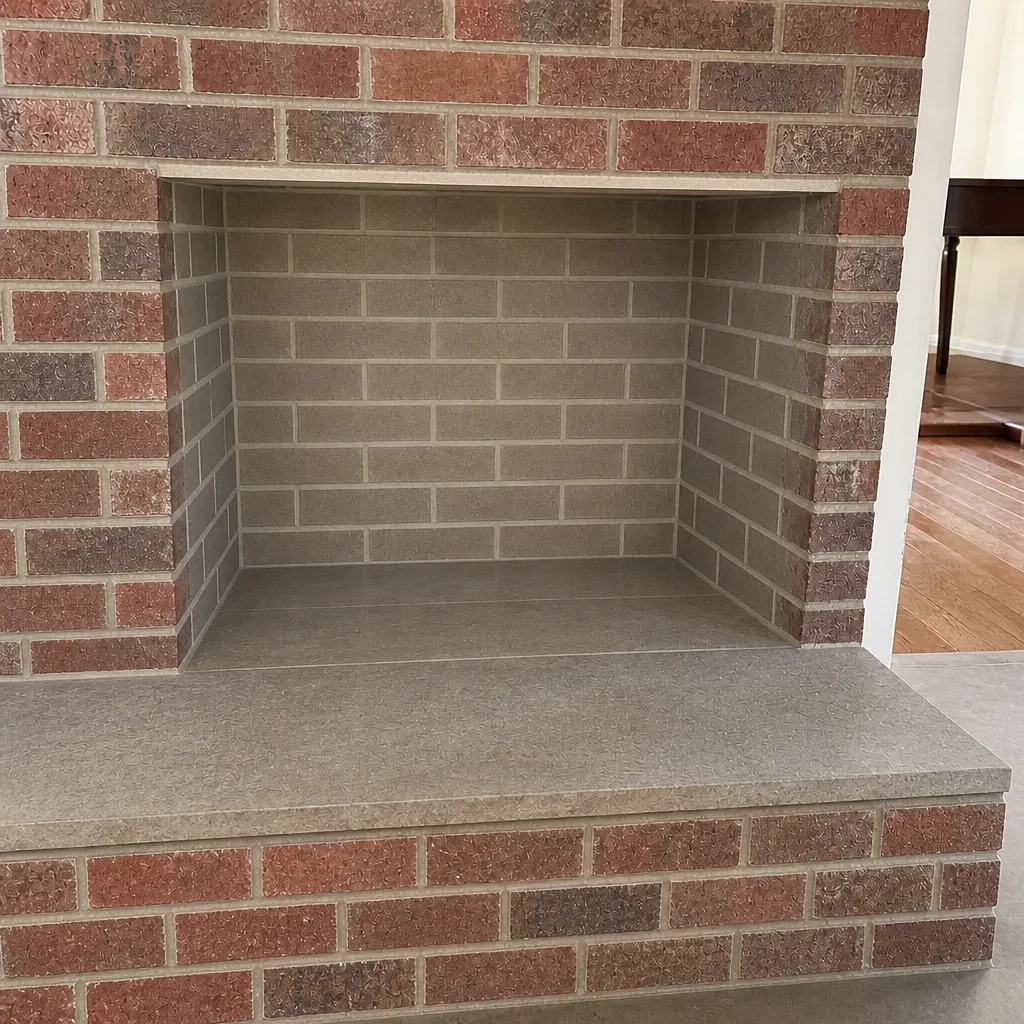 After
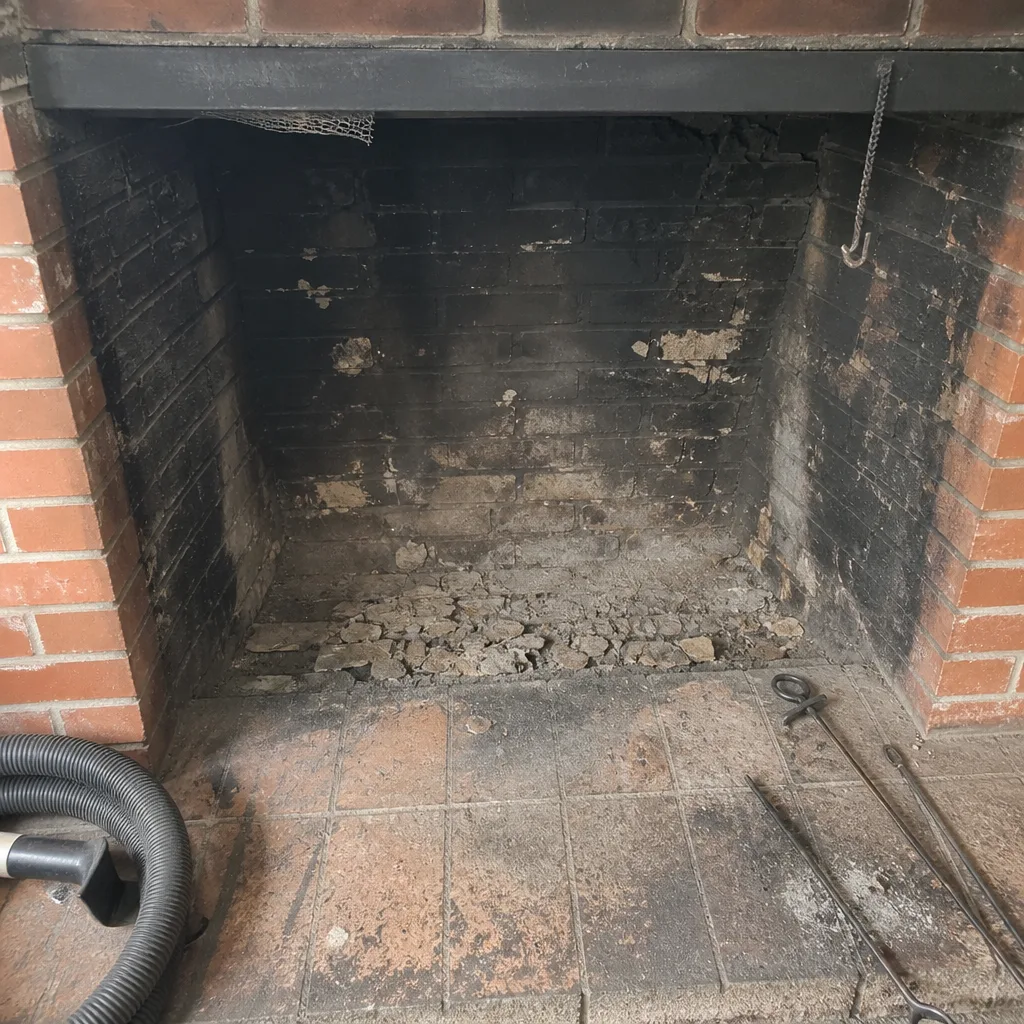 Before
 After
 Before
 After
Common Mistakes to Avoid
- Assuming a clean firebox means a clean flue. The firebox is what you see. The flue is where creosote concentrates and where tile cracks hide. Cleaning the firebox without professional flue work leaves the actual hazard untouched.
- Burning unseasoned wood in Lakewood’s dry climate. Dry climate doesn’t mean dry wood. Unseasoned wood produces far more creosote, and the deposits harden faster here because of the long dry stretches between storms. Season your wood properly and it will reward you at the next sweep.
- Skipping the post-windstorm check. Lakewood sees serious wind events every spring. A cap that was fine in March can be tilted or gone by May. The five-minute ground check after a windstorm catches this before water gets in.
- Ignoring ground-level spalling. Flaking brick faces look cosmetic. They’re a sign freeze-thaw is working through the masonry, and the repair before the problem spreads is far smaller than the repair after.
- Treating a damper that sticks as a minor annoyance. A damper that won’t seal lets heated room air escape up the flue all winter and lets cold air down when the fireplace is idle. It’s also a sign of wear elsewhere in the assembly.
- Letting a sweep-only company talk you into full liner replacement when resurfacing would work. HeatShield resurfacing can restore a deteriorating liner without a full replacement in appropriate conditions. If your technician doesn’t offer it, you’re not getting the full set of options.
- Not documenting anything. The homeowners who get the most out of every sweep are the ones who bring a log. It costs nothing and changes the quality of the diagnosis.
- Doing rooftop work yourself. This is the one that matters most. Chimney tops are steep, exposed, and often wet. There is no checklist item worth a fall.
When to Call a Professional
Some conditions are a maintenance item. Others are a call today. Use this list to sort:
- You smell creosote in the room, especially on warm or humid days.
- Smoke rolls back into the room when you light a fire, or the fire struggles to draw.
- You see cracked or missing flue tiles with a flashlight, or your camera pass shows damage.
- The cap is missing, tilted, or rusted through.
- The crown shows wide cracks or is separating from the flue.
- You see water staining on ceilings or walls near the chimney chase.
- The exterior masonry is spalling, leaning, or separating from the house.
- You’ve had a chimney fire, even a small one you think you caught early.
- It’s been more than a year since the last inspection.
The “wait until fall” instinct is common and usually harmless for a routine sweep. It’s not harmless for structural signs, water intrusion, or drafting changes. Those move quickly once they start. Lakewood Chimney Sweep Experts offers free estimates in Lakewood and works from inspection through repair under one call. Call (855) 964-4542. We answer 24/7. Fast dispatch from 7am to 7pm, Sunday through Friday.
Frequently Asked Questions
Once a year if you burn regularly, and every two seasons if you burn occasionally, with an annual inspection regardless. Lakewood’s burn season runs roughly October through March, so late summer is the practical window for a pre-season sweep. If your fireplace is your primary heat source, annual sweeping is the minimum and a mid-season check is sometimes warranted. Call (855) 964-4542 for an exact quote; estimates are free.
A full-system inspection covers the firebox, damper, smoke chamber, flue and liner via camera, creosote assessment, crown, cap, flashing, and exterior masonry. The camera pass is what makes the inspection diagnostic rather than cosmetic. You get photos you can review. Call (855) 964-4542 to book an inspection.
You can safely do the ground-level and firebox checks: cap appearance, crown cracks from a distance, exterior staining, damper function, and smoke behavior. You cannot safely assess flue tile integrity, liner condition, or smoke chamber problems without professional tools. The rooftop work is a genuine fall hazard and should always be professional. Call (855) 964-4542 if you want a professional read on what you’ve noticed.
Creosote accumulates, hardens, and becomes more flammable with each season. A cracked flue tile that goes undetected lets hot gases and sparks reach the framing. Neither condition announces itself. Skipping one season is often lower-risk than skipping three, but the only way to know which side you’re on is an inspection. Call (855) 964-4542 for an exact quote; estimates are free.
It depends on what the camera shows. HeatShield resurfacing can restore a deteriorating liner without full replacement when the damage is in the right condition range. Full replacement with a DuraFlex or Olympia Chimney liner system is the right call when the existing liner has failed structurally. Ask for photos either way. Call (855) 964-4542 and we’ll walk you through what the inspection shows.
Lakewood runs a strong freeze-thaw cycle and gets serious spring windstorms, both of which stress exterior masonry and caps. Post-winter is the right time to check for snowmelt intrusion and spalling. Post-windstorm is the right time to check the cap and flashing. Pre-fire-season is the right time to schedule the sweep and inspection. Call (855) 964-4542 to schedule around any of these windows.
Your documentation log if you keep one, the burn frequency and fuel type you’ve been using, any changes you’ve noticed, and access to the fireplace and the roof line. Move anything fragile away from the hearth. The more history you can share, the more useful the visit. Call (855) 964-4542 to book.
The Bottom Line
Chimney maintenance isn’t a list of things to stare at. It’s a decision tree, and the most important branch is knowing which tier each item belongs to. You own Tier 1: ground-level observations after windstorms and snowmelt, firebox and damper checks, and a simple documentation log that turns every future visit into a better diagnostic. Tier 2 is yours too, with a flashlight and no climbing. Tier 3 belongs to a trained professional with a camera, and it’s where the problems that actually threaten your home live. Annual inspections keep Tier 3 problems from migrating into Tier 1. Sweep once a year if you burn regularly. Inspect every year no matter what. Track your burn frequency, keep your photos, and ask for imaging before you approve any repair.
Most of the checklist above you can handle yourself. The parts that matter most, you can’t, and that’s fine. That’s what a full-system specialist is for.
Lakewood Chimney Sweep Experts handles sweeping, inspection, fireplace repair, cap and crown work, and structural chimney repair from a single call. Our technicians have up to 9 years of experience, and we work with professional-grade brands including DuraFlex, HeatShield, Gelco, Olympia Chimney, Famco, and Copperfield. One visit covers the sweep, the inspection, and any repair the inspection actually supports, with photos you can review before you decide. Lakewood Chimney Sweep Experts is here when you’re ready. Call (855) 964-4542 for a free estimate. We answer 24/7. Fast dispatch from 7am to 7pm, Sunday through Friday.
Written by the team at Lakewood Chimney Sweep Experts.