
Last updated November 23, 2026
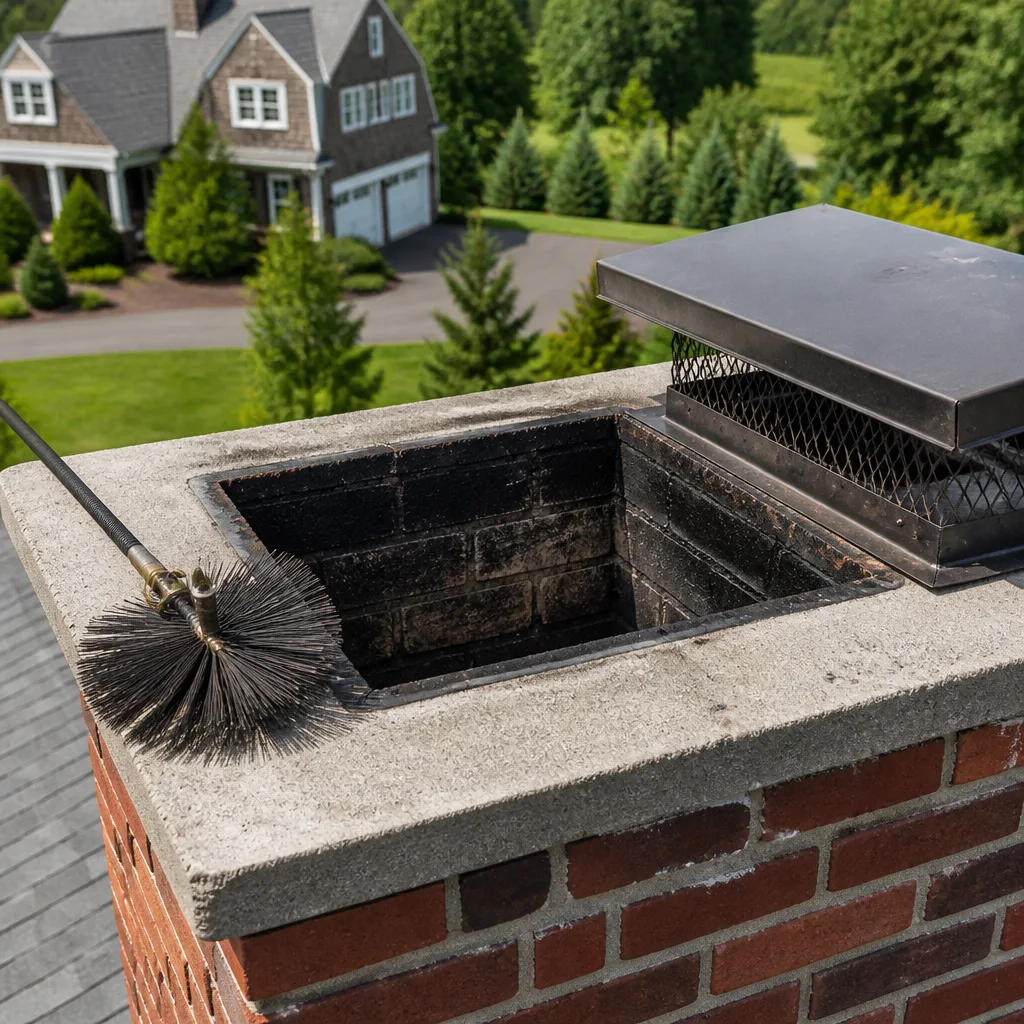 Sweep & inspection
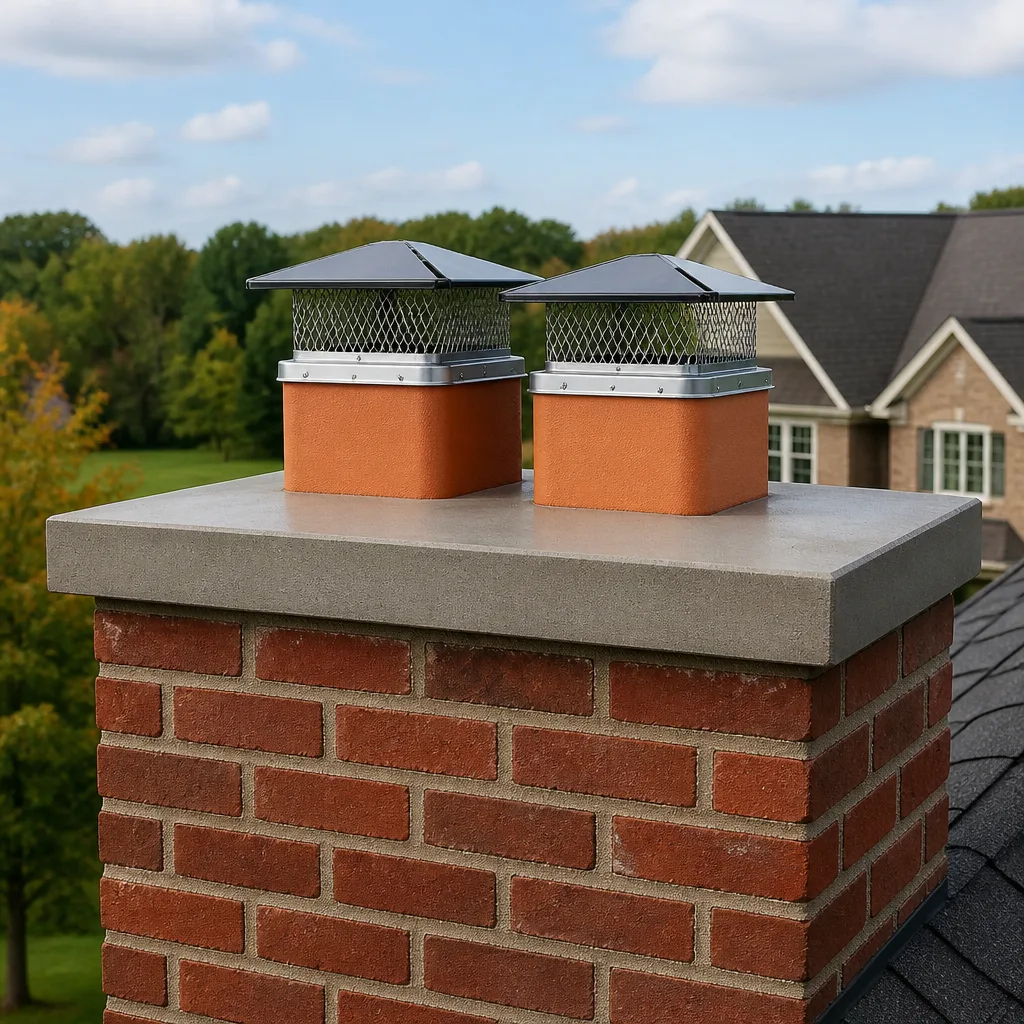 Caps & crowns
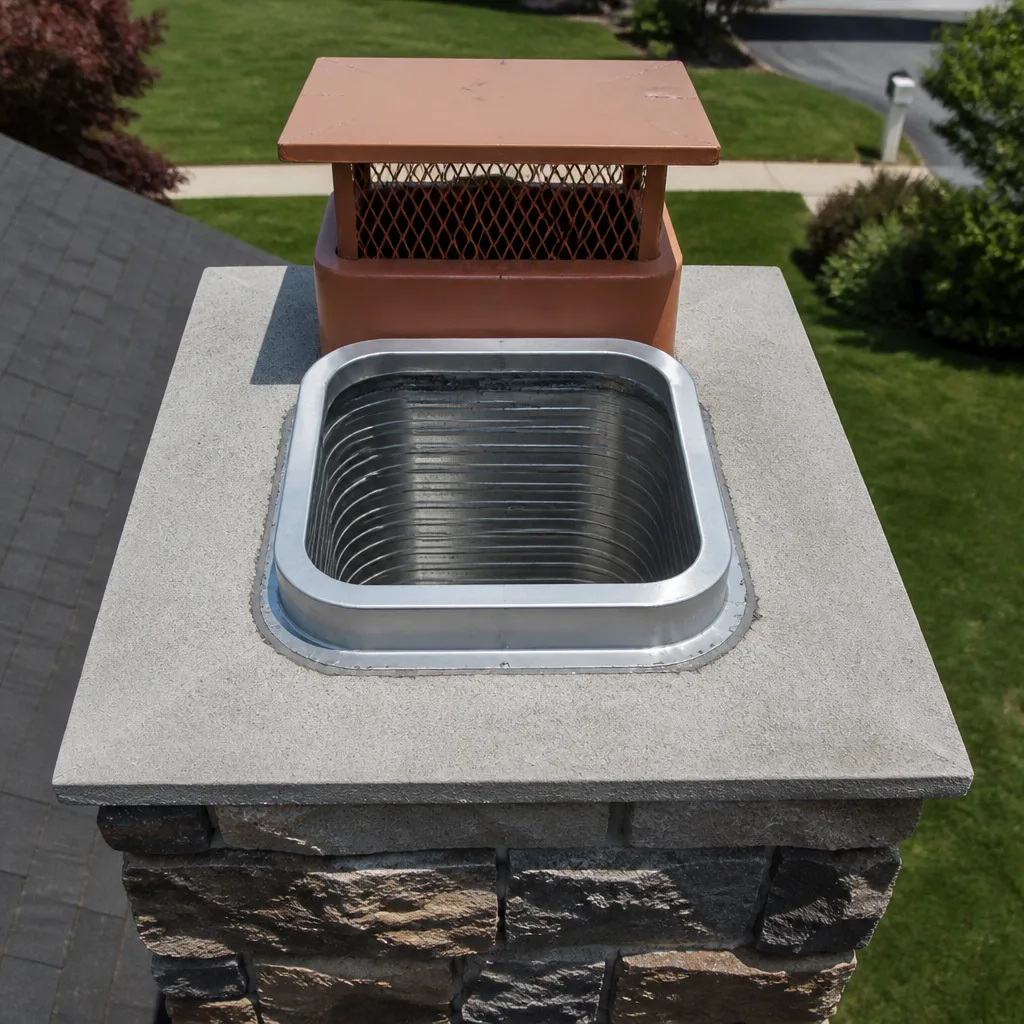 Flue relining
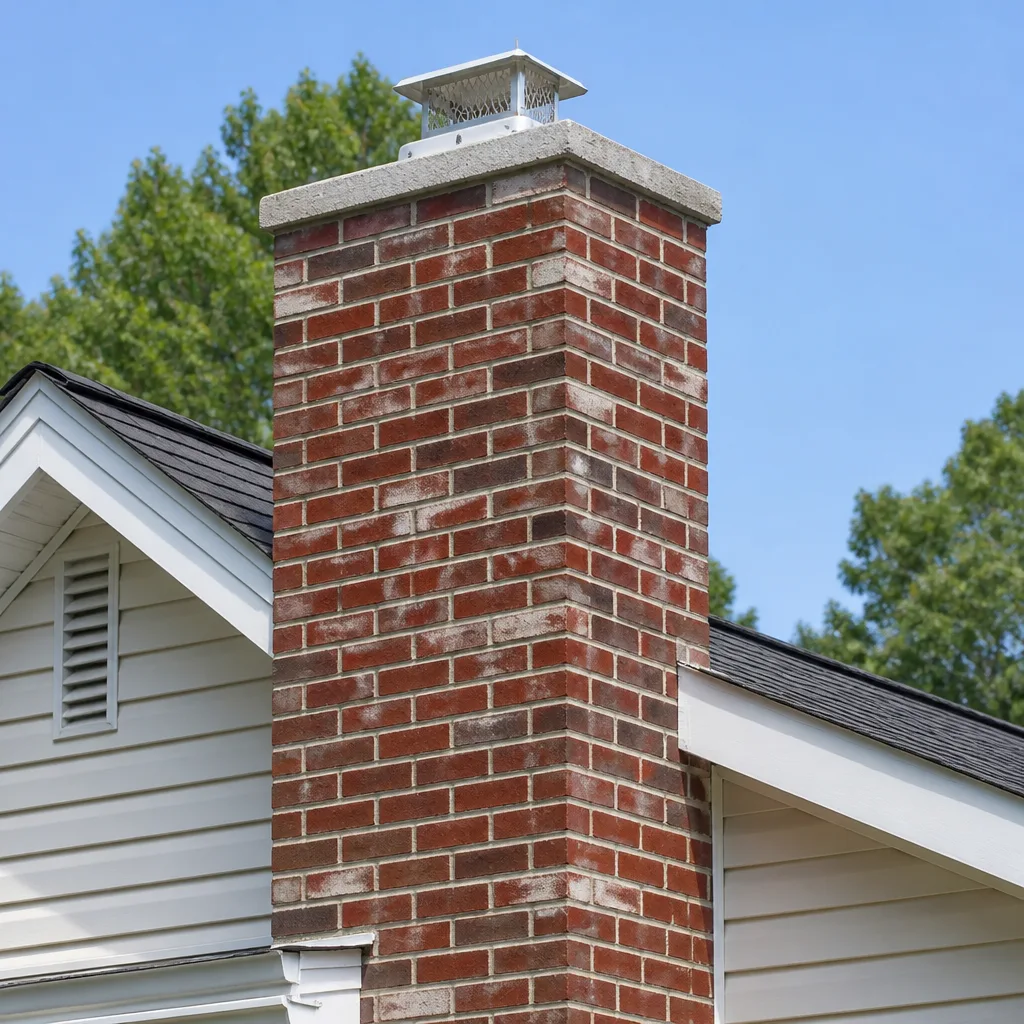 Masonry repair
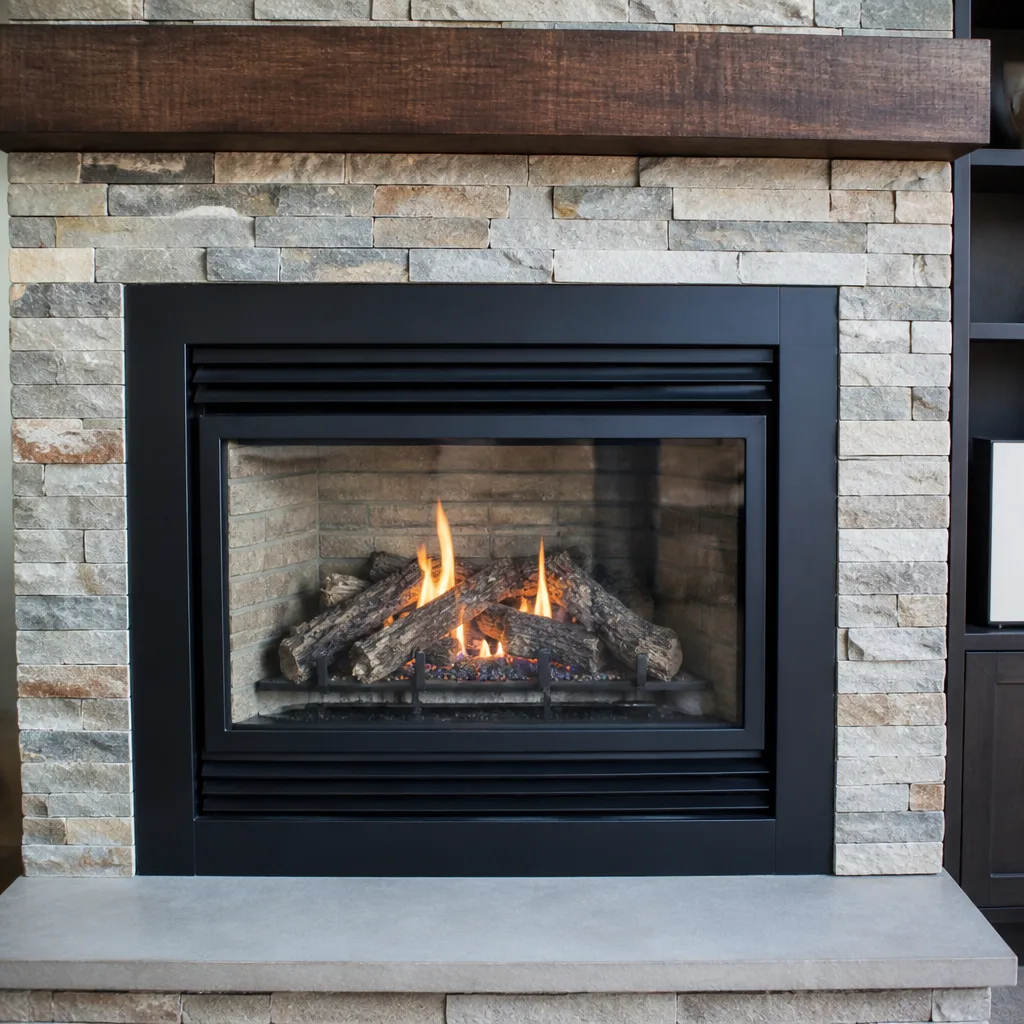 Gas fireplace service
Level 1 sweep and inspection to the NFPA 211 annual standard - flue, crown, cap, and flashing checked and photographed
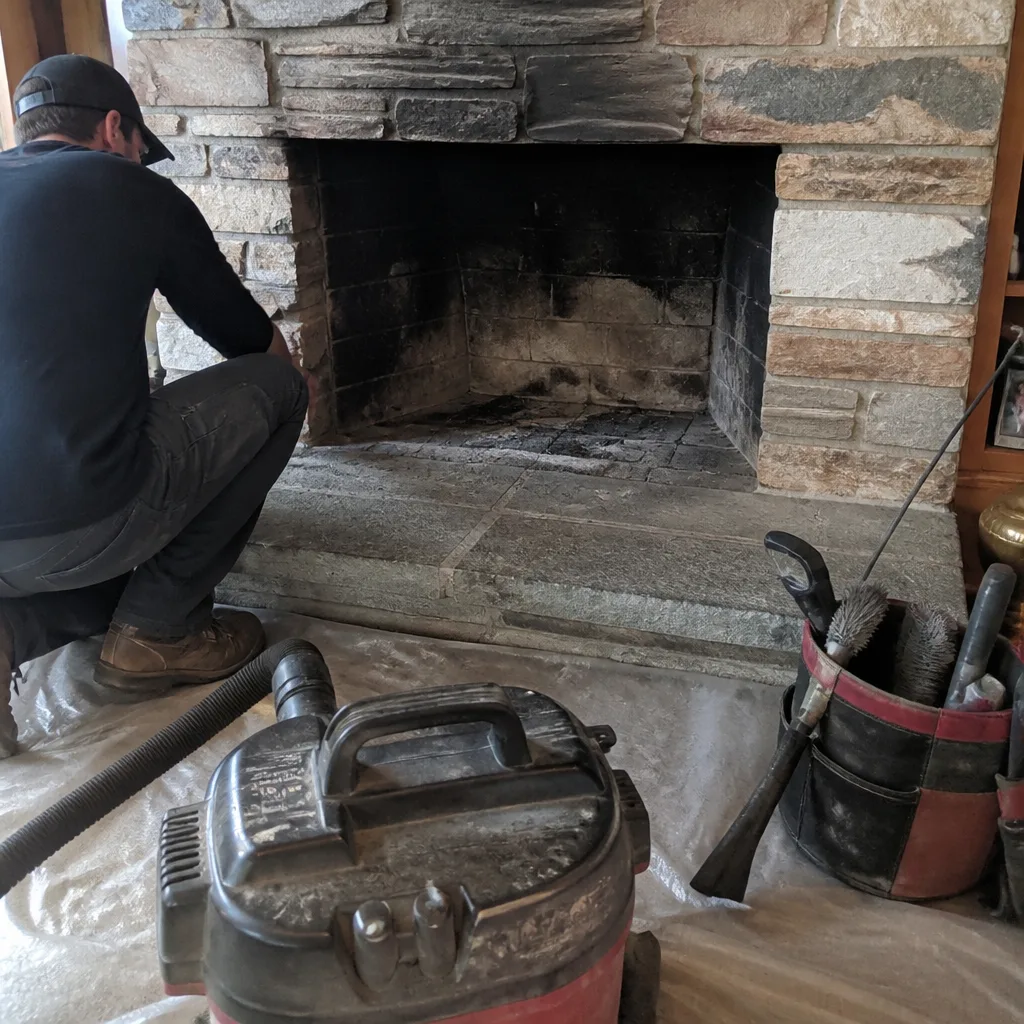
Chimney sweep logs do not sweep chimneys. They loosen some creosote - which then falls where a brush and vacuum still have to collect it.
Seasonal Chimney Cleaning Care for Lakewood: Year-Round Homeowner’s Guide
Most homeowners in Lakewood schedule their chimney cleaning in October because that’s when the reminder postcard arrives and when the neighbors are all doing it. That timing made sense somewhere back when nobody thought about it too hard, and it has been copied ever since. Here’s the problem: by the time October arrives, your flue has just spent an entire summer quietly collecting moisture, nesting material, and condensation damage that a spring inspection would have caught months earlier when it was cheap and simple to fix. A chimney isn’t a seasonal appliance. It’s a system exposed to four distinctly different sets of conditions every year, and each one stresses a different part of it. This guide maps Colorado’s four seasons to the specific failure modes each one accelerates, and explains the maintenance calendar we’d build if we were protecting our own homes.
Quick Answer
Chimney care in Lakewood works best on a four-season calendar, not a single annual sweep: inspect and assess in spring after the burning season ends, monitor for moisture and animal entry through summer, clean in September before the first fire is lit rather than in November after the season has started, and watch for mid-season warning signs through winter. A yearly cleaning alone doesn’t address the moisture, freeze-thaw, and condensation damage that happens between burns. Matching each task to the season it belongs to is what actually protects a chimney in Colorado’s climate.
Styles & brands we work with
- Sweep & inspection
- Caps & crowns
- Flue relining
- Masonry repair
- Gas fireplace service
Table of Contents
- Why a Single Annual Sweep Misses Most of the Damage
- Spring: The Post-Winter Assessment That Most Homeowners Skip
- Summer: What Happens Inside a Chimney Nobody Is Using
- Fall: Why September Beats November for Your Cleaning
- Winter: Reading the Mid-Season Warning Signs
- How Lakewood’s Weather Patterns Accelerate Specific Failures
- Building Your Year-Round Chimney Calendar
- Common Mistakes to Avoid
- When to Call a Professional
- Frequently Asked Questions
Why a Single Annual Sweep Misses Most of the Damage
A chimney sweep removes creosote and soot. That’s the job, and it’s an important one. But sweeping is a cleaning task, and most of what shortens a chimney’s life in Lakewood isn’t dirt. It’s water, temperature swings, and long idle periods. None of those show up as a soot problem, so a once-a-year sweep can happen on schedule every year and still leave a chimney quietly deteriorating between visits.
Think about what a chimney actually experiences over twelve months in Lakewood. Through winter it runs hot on burn days and cold on the days between. In spring it takes on moisture from melting snow and rain, then freezes again when a late storm rolls through. All summer it sits unused, cooling and warming with the outside air, sometimes drawing in humid air that condenses on cool flue walls. By fall it’s ready to be put back to work, and by then any small crack that formed in March has had six months to widen.
This is why we think about your chimney system, not just your flue. The masonry, the crown, the cap, the liner, and the firebox all age on their own timelines and respond to different seasonal pressures. A calendar built around actual conditions catches each failure mode at the point where it’s easiest and least expensive to correct.
A national-average maintenance schedule assumes a national-average climate, and Colorado is not that. The specific combination of dry summers, rapid freeze cycles, and late-season snow is what makes a Lakewood-specific calendar worth building. If you’re already thinking about a chimney sweep, the timing you choose matters as much as the service itself.
What each season actually stresses
- Spring: moisture intrusion, freeze-thaw spalling in masonry, crown cracks, and the first sign of liner damage
- Summer: animal entry, nesting material, condensation on unused flue walls, and unnoticed deterioration
- Fall: creosote buildup from the prior season, blocked or restricted draft, and readiness before first fire
- Winter: heavy-use creosote accumulation, draft changes, odor, and mid-season warning signs
Spring: The Post-Winter Assessment That Most Homeowners Skip
Spring is the single most valuable inspection window of the year in Lakewood, and it’s the one most homeowners ignore. Once the burning season ends, your chimney has just been through months of heat cycling, snow load, and freeze-thaw stress. That’s the moment when damage is fresh, visible, and small. If you close the damper in April and don’t look again until October, you’ve given every problem six months of quiet growth.
The core spring task is a proper inspection, and we mean inspection before recommendation. A camera inspection with a photo report lets you see exactly what’s happening inside the flue rather than taking anyone’s word for it. This matters because the alternative, being told you need work you can’t verify, is the main reason people put off chimney service altogether. When you can see the inside of your own flue, you can decide for yourself whether a repair is urgent or whether it can safely wait.
What spring inspection specifically looks for
- Moisture intrusion: water staining, efflorescence, or rust that shows where water is getting in, usually at the crown, cap, or flashing.
- Freeze-thaw spalling: masonry that has flaked or crumbled because water got into it, froze, expanded, and pushed the face off. This is common on exterior masonry after a Colorado winter.
- Crown condition: the concrete or masonry cap at the top of the chimney is the first line of defense against water. Hairline cracks in spring become active leaks by summer.
- Liner integrity: cracks, gaps, or deterioration in the flue liner that will only worsen through the humid summer months.
- Cap and screen damage: storm or snow damage to the cap that leaves the flue open to animals and rain.
Here’s the part worth saying plainly: a lot of what a spring inspection finds can safely wait until fall. Not everything needs fixing the day it’s found. What spring gives you is a photograph and a diagnosis, so you can plan and budget instead of discovering an urgent problem in October when the first cold snap arrives and everyone else is calling at once. The work that genuinely can’t wait is anything that lets water into the system, because that’s the damage that compounds.
Spring is also the right time to think about proactive protection. A properly installed chimney cap & crown is what keeps rain, snow, and animals out of the flue in the first place, and addressing crown issues in spring means the whole summer isn’t spent leaking. We work with professional-grade materials for this kind of work, including Gelco and Famco products, because a crown that fails in two winters isn’t protection at all.
Summer: What Happens Inside a Chimney Nobody Is Using
An unused chimney is not a dormant chimney. It’s an open structure on your roofline, and it’s doing things all summer whether you’re paying attention or not. This is the season when the damage is invisible, which is exactly why it goes unaddressed.
The biggest summer issue is animal entry. Birds, squirrels, and other small animals look for sheltered places to nest, and an uncapped or damaged flue is a perfect cavity. Nesting material inside a flue is a fire hazard once you light a fire in the fall, and it also restricts draft. A cap with a proper screen is the simple defense. If you’re not sure your cap screen is intact, summer is a good time to find out. Removing a nest is a job for a trained professional, not a broomstick from below, both because of what’s up there and because of what could be disturbed.
The second summer issue is condensation. On humid days, warm moist air can condense on the cooler interior surfaces of an unused flue. Over a summer, that persistent dampness has time to work on masonry and metal components. On a masonry chimney with any existing crack or deteriorated liner, summer condensation feeds the exact damage a spring inspection was meant to catch. This is why the spring assessment and the summer monitoring are really one continuous process.
Summer checklist for a chimney you’re not using
- Confirm the cap and screen are intact and in place
- Check for signs of animal activity around the chimney top or a smell inside the firebox
- Watch for water staining on the chimney exterior or ceiling near the flue
- Note any musty odor from the firebox, which can point to moisture or nesting material
- Keep the damper closed when the chimney isn’t in use, though a closed damper alone won’t keep out animals or correct a failing cap
One more summer benefit worth naming: this is the easiest time of year to get scheduled and to plan. Late summer is when the season starts filling up, because everyone else remembers their chimney in the fall. Acting in July or August means a September cleaning happens on your timeline instead of as a scramble.
Fall: Why September Beats November for Your Cleaning
Nearly everyone cleans their chimney in late fall, right before or after the first fire, and that’s the wrong order. Cleaning in September, before the first fire, gets the chimney ready for the season. Cleaning in November, after the season has already started, means your first few fires burned through a flue full of the previous year’s creosote and any summer debris. The sequence matters.
Creosote buildup is the main fire-safety concern in a wood-burning chimney, and a summer’s worth of nesting material or a fall’s worth of early fires makes the first burn of the season riskier than it needs to be. A pre-season cleaning clears all of it before you strike a match. That’s also when a fresh inspection confirms the flue is clean and clear after being examined in spring through summer.
There’s a practical reason to prefer September in Lakewood specifically: the weather. Colorado’s late-season snow can arrive earlier than people expect, and roofs are easier and safer to work on in mild September conditions than on a frosty November morning. Getting the sweep done before the first snow also means the cap and crown are verified ready for winter before they’re tested.
A pre-season preparation sequence
- Schedule the cleaning for early fall: aim for September rather than after the first fire.
- Request an inspection alongside the clean: a clean doesn’t tell you the state of the liner, cap, or crown, so inspect at the same time.
- Review the photo report: confirm the flue is clear and note anything that should be handled before the season.
- Handle urgent repairs before first fire: anything affecting draft, moisture, or safety gets done in advance.
- Test the first fire with attention: note the draft, the smell, and the smoke behavior on that first burn of the season.
If you have a gas fireplace, fall preparation still matters, but the focus shifts. Gas units don’t build creosote the way wood does, but they still accumulate debris, need their flue clear, and benefit from a check of the venting and the firebox. Our fireplace repair service handles the unit itself, so the whole system gets looked at together rather than in pieces.
Winter: Reading the Mid-Season Warning Signs
Even with a proper fall cleaning, a chimney used heavily through winter can need attention before the season ends. The question is how to recognize it. Your chimney tells you when it needs service, and the signals are fairly consistent.
Signs you need a mid-season chimney cleaning
- Heavy use indicators: if you’ve been burning frequently and the firebox is visibly sooty, buildup is happening faster than average.
- Draft changes: fires that smoke, back up, or are harder to get going than earlier in the season can point to restricted flow from creosote or debris.
- Odor: a strong creosote smell, especially from the firebox or near the chimney on the exterior, suggests accumulation that needs removing.
- Loud popping or crackling that seems to come from the flue rather than the firewood itself is worth taking seriously and stopping the fire until the system is checked.
- Slower burn and smoke: a fire that struggles to draw, or smoke coming back into the room, means the chimney isn’t venting properly and shouldn’t be used until it’s looked at.
Mid-season, creosote can be in a glassy, harder form that builds up faster than the powdery kind after a light winter. A cleaning that seemed generous in October might genuinely be needed again in January if you’ve been burning daily. If you lit a fire after a proper fall cleaning and everything still behaves, you may well be fine through the season. If any of the signs above show up, that’s a call worth making, and we answer 24/7, with fast dispatch from 7am to 7pm, Sunday through Friday, to get you scheduled.
The same caution that applies to a spring inspection applies here: a chimney fire risk and a carbon monoxide risk are real things worth acting on, not scare tactics. A blocked or heavily fouled chimney can put carbon monoxide where it shouldn’t be, and a chimney fire can start inside a flue that looked fine from the fireplace. If you have a carbon monoxide alarm, make sure it’s working and has good batteries, and treat the smell of creosote and a change in draft as legitimate reasons to stop burning until it’s checked. Winter is also when an existing crack from the spring or summer can let smoke or carbon monoxide into the wrong place, which is exactly why the earlier seasons matter so much.
How Lakewood’s Weather Patterns Accelerate Specific Failures
The general chimney advice that gets repeated everywhere is broadly true and mostly written for a mild climate. Lakewood isn’t mild in the way most of the country means it. Three specific patterns do measurable work on a chimney system here, and each one is worth mapping to what it stresses.
Late spring snowfall
Colorado’s weather likes to hold on longer than the calendar suggests. A snow event in spring, after a stretch of mild days has already started things drying, reintroduces moisture right when masonry is most vulnerable to working it into cracks. Masonry that absorbed meltwater from the first warm stretch can refreeze when the late storm hits, and the freeze-thaw cycle is what causes spalling, flaking, and face loss on exterior brick. Late spring snow is the specific reason the spring inspection is worth doing later in spring, after the last real storm, rather than just after the last fire.
Dry summer heat
Dry summer heat sounds harmless, and in a way it’s the mildest season for the flue. But dry air drives the chimney’s surface temperatures higher and holds moisture in the masonry less, which means the cracking and small gaps that show up stay open rather than closing. It also means insects and rodents are actively looking for damp, sheltered spots. That’s the nesting material that becomes a fire risk in fall. Summer’s dry heat is, ironically, why a summer inspection catches things a wet-climate owner would notice sooner.
Rapid freeze cycles
The thing that makes Lakewood hard on chimneys isn’t that it gets cold. It’s that it gets cold, then warm, then cold again, within days. Every freeze-thaw cycle moves masonry slightly, widens existing cracks, and stresses joints. A crack that’s cosmetic in fall can be a real source of water intrusion by spring after a hard winter of cycling. The same cycles work on the crown, which is why a crown in good repair is the protective layer that makes everything else last.
This is where using the right materials matters. When we resurface a deteriorating flue liner, we work with HeatShield, which can correct a damaged liner without full replacement in the cases where that’s the right call. When a liner is beyond resurfacing, DuraFlex and Olympia Chimney systems are what we use for relining work because they meet the venting standards a Lakewood climate will actually test.
Building Your Year-Round Chimney Calendar
Here’s the whole guide compressed into a schedule you can actually follow. The point isn’t to add work to your plate. It’s to move the same work to the season where it does the most good and catches problems the soonest.
- Early spring: full inspection with a camera and photo report, after the last snow. Fix anything letting water in.
- Late spring: repair crown, cap, or flashing issues before the summer, and note anything you’ll schedule for fall.
- Summer: monitor for animal entry, nesting, and moisture; keep the cap and screen intact; plan your fall cleaning in July or August.
- Early fall (September): cleaning and inspection before the first fire, confirm the system is clear and ready.
- Winter: watch for draft changes, odor, and smoke; call if any warning signs show up; never ignore a carbon monoxide alarm.
That’s the whole logic: inspect in spring to catch moisture damage, protect in late spring and summer, clean in fall before your first fire, and monitor through winter. A chimney that gets this kind of year-round attention tends to need fewer emergency repairs and last longer than one that gets a single annual sweep on someone else’s schedule.
If you’d rather get the work done by a single team from inspection through repair, so nothing gets handed off or split between contractors, that’s how we work. You can read more about how we think about a whole chimney system at Lakewood Chimney Sweep Experts.
Common Mistakes to Avoid
- Waiting for fall to do everything. The October-only approach misses spring moisture damage and summer nesting, and it means you’re cleaning after the season’s already underway instead of before it.
- Sweeping without inspecting. A clean flue doesn’t tell you the liner, crown, or cap are sound. A clean is a cleaning; an inspection is what actually tells you the condition of the system.
- Closing the damper for the summer and forgetting the chimney exists. A closed damper doesn’t stop animal entry through a damaged cap, and it doesn’t correct moisture problems in the masonry or crown.
- Cleaning in November because that’s when the neighbor did. By the time a November cleaning happens, your first fires have already burned through a flue loaded with the prior year’s accumulation and summer debris. September is the better pre-season window.
- Ignoring a smell or draft change mid-winter. These are warning signs worth acting on between fall cleanings, not things to ride out until spring.
- Assuming a damaged liner always means full replacement. Resurfacing with HeatShield corrects some deterioration without replacement, so the answer isn’t always the biggest job. Have it inspected before assuming the worst.
- Treating a crown or cap as cosmetic. In this climate, they’re the first line of defense against the water and freeze-thaw damage that do the most work on a chimney. A failing crown is a leaking roof line in waiting.
When to Call a Professional
Some things are worth having looked at by a trained professional: any new draft problem, smoke that comes back into the room, a strong creosote smell, signs of animal nesting in the flue, water staining near the chimney, a carbon monoxide alarm that sounds, or simply a fall cleaning that’s due and a system you haven’t inspected in a while. Those are the moments to stop wondering and get an answer. Lakewood Chimney Sweep Experts offers free estimates in Lakewood – call (855) 964-4542. Our technicians have up to 9 years of experience, and we inspect before we recommend, with a camera report so nothing gets replaced on anyone’s say-so. During the colder months, when the season is in full swing and the phones are busy, we still make time to get questions answered and cleanings scheduled before the next burn.
Frequently Asked Questions
Once a year for most wood-burning chimneys, but the more useful answer is about when, not just how often. For Lakewood, we recommend a spring inspection to catch moisture and freeze-thaw damage and a pre-season cleaning in September before the first fire, so the annual sweep is timed to the season that makes it do the most good.
A sweep is not an inspection. Sweeping cleans the flue; inspecting tells you the condition of the liner, crown, cap, and the rest of the system. You need both, and we inspect before we recommend anything, with a camera report so you can see what’s actually happening and decide for yourself whether a repair is needed.
In Lakewood’s climate, a skipped year is the one where moisture from late spring snow gets into small cracks that then freeze and widen, where summer nesting material becomes a fire risk in fall, and where the fall cleaning happens after the first fires have already burned through a dirty flue. A single missed year doesn’t ruin a chimney, but it does let several small problems compound.
Yes. A fall cleaning is generous for most homes, but heavy use through winter, a change in how the fire burns, a creosote smell, or smoke backing up can all mean it’s time again. If any of those show up, stop burning and get it looked at. Call (855) 964-4542 for an exact quote – estimates are free. We answer 24/7, with fast dispatch from 7am to 7pm, Sunday through Friday.
Not every damaged liner needs replacing. In cases where the deterioration is movable, resurfacing with HeatShield can restore the liner without full replacement, which is a real cost saver. When replacement genuinely is the right call, DuraFlex and Olympia Chimney systems are what we use for relining because they meet the venting standards this climate tests. The camera inspection tells you which situation you’re in, and that report is yours to look at.
Skipping a needed mid-winter cleaning means creosote keeps building up in a flue that may already be restricted, and that raises the risk of a chimney fire and of carbon monoxide ending up where it shouldn’t. If you’ve had a lot of fires and the draft has changed or the smell has gotten stronger, don’t wait for spring. Call (855) 964-4542 for an exact quote – estimates are free.
The Bottom Line
Chimney care in Lakewood isn’t a single annual task. It’s a four-season rhythm: inspect in spring after the last snow, protect through the dry summer, clean in early fall before the first fire, and stay alert through winter. The climate here, with late spring snow, dry summer heat, and rapid freeze cycles, is what makes this calendar worth building rather than following a national average. A fall cleaning is only as good as the inspection behind it. When you’re ready to plan a season-by-season schedule for your own system, one call covers it, from sweep and inspection to repair and protection. Start with an inspection so you know where you stand.
Call (855) 964-4542 for a free estimate. We answer 24/7. Fast dispatch from 7am to 7pm, Sunday through Friday. Your chimney system – not just your flue – is what we look at, and professional-grade materials are what we use when it’s time to fix something.
Written by the team at Lakewood Chimney Sweep Experts.
See the difference
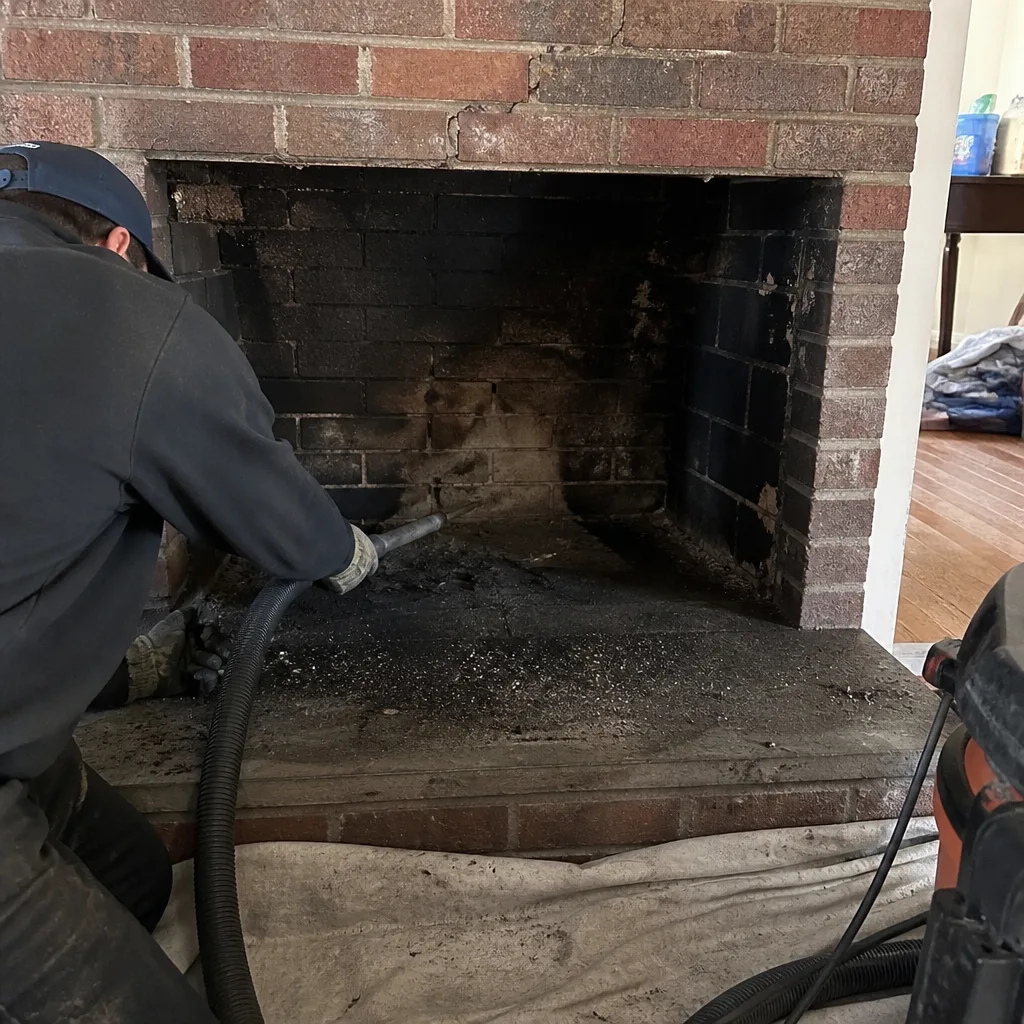 Before
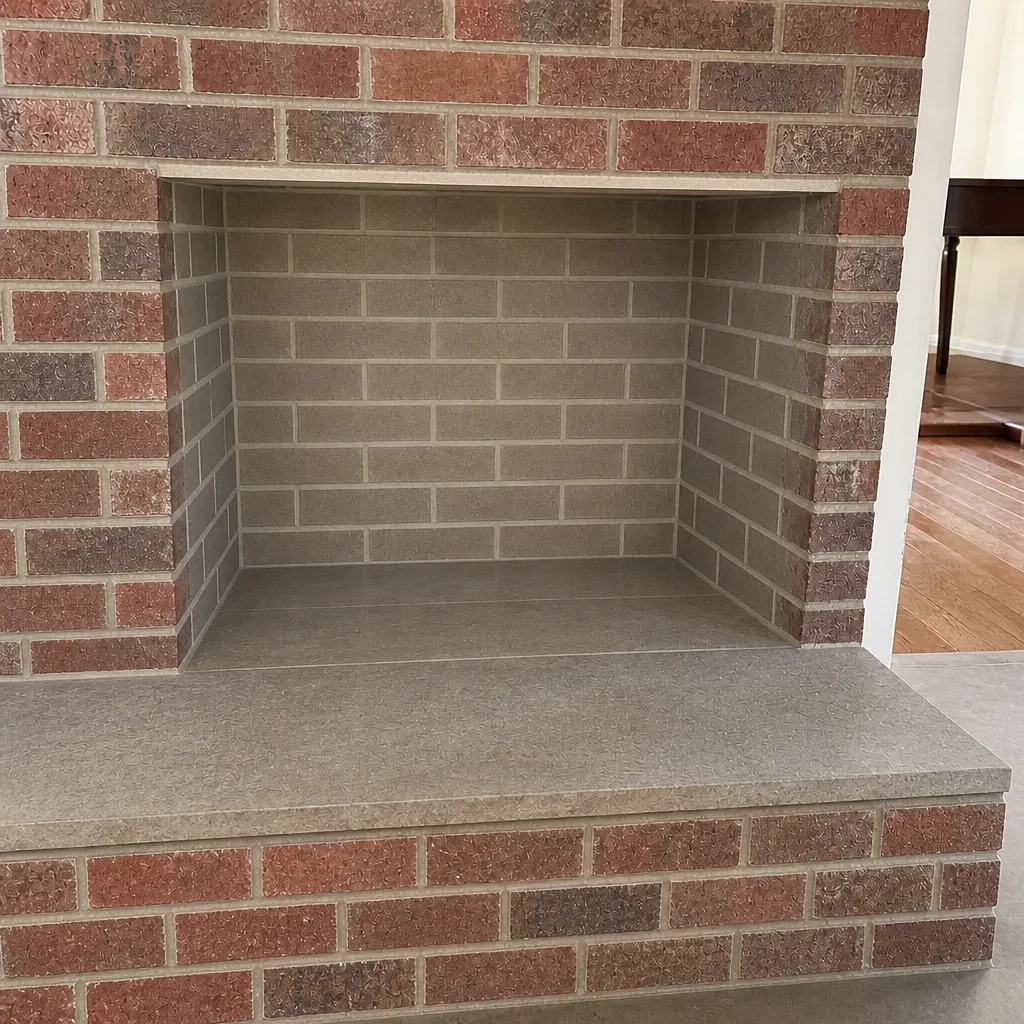 After
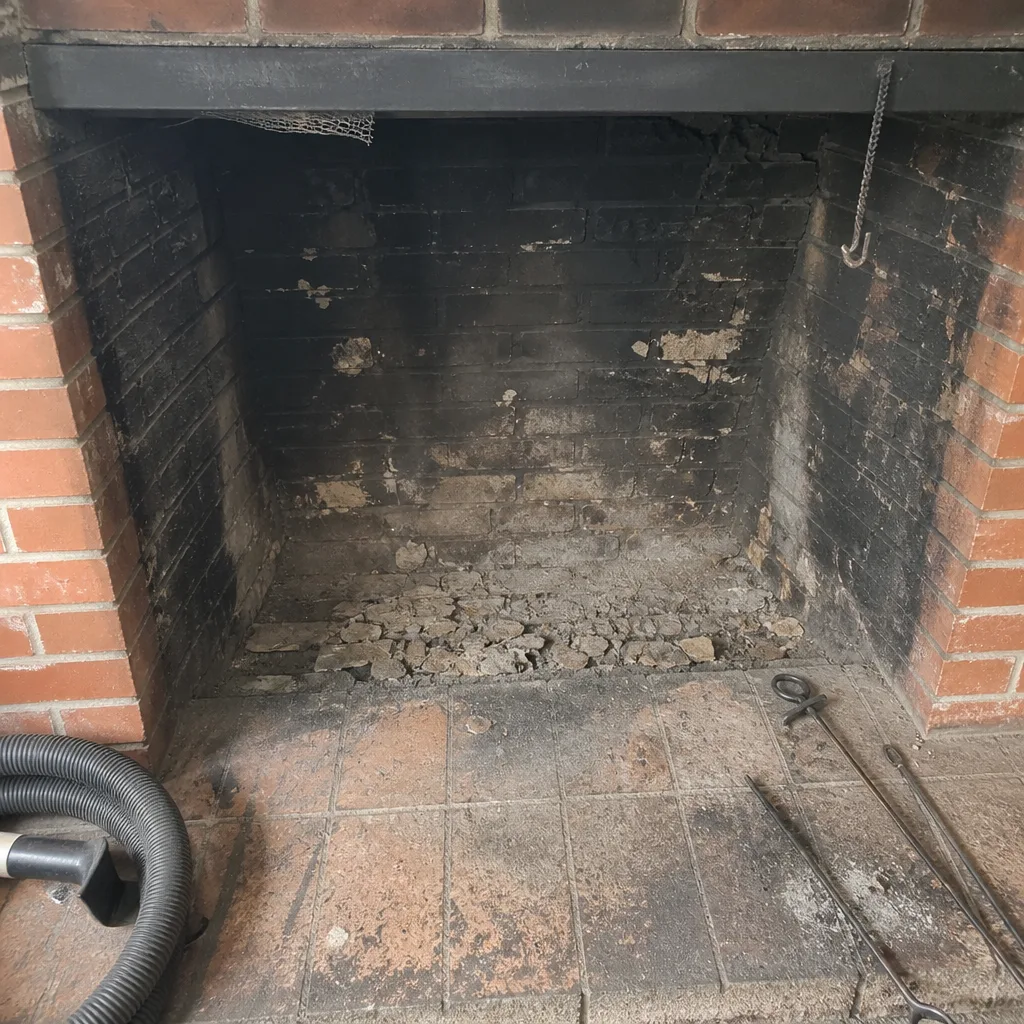 Before
 After
 Before
 After