
Last updated November 23, 2026
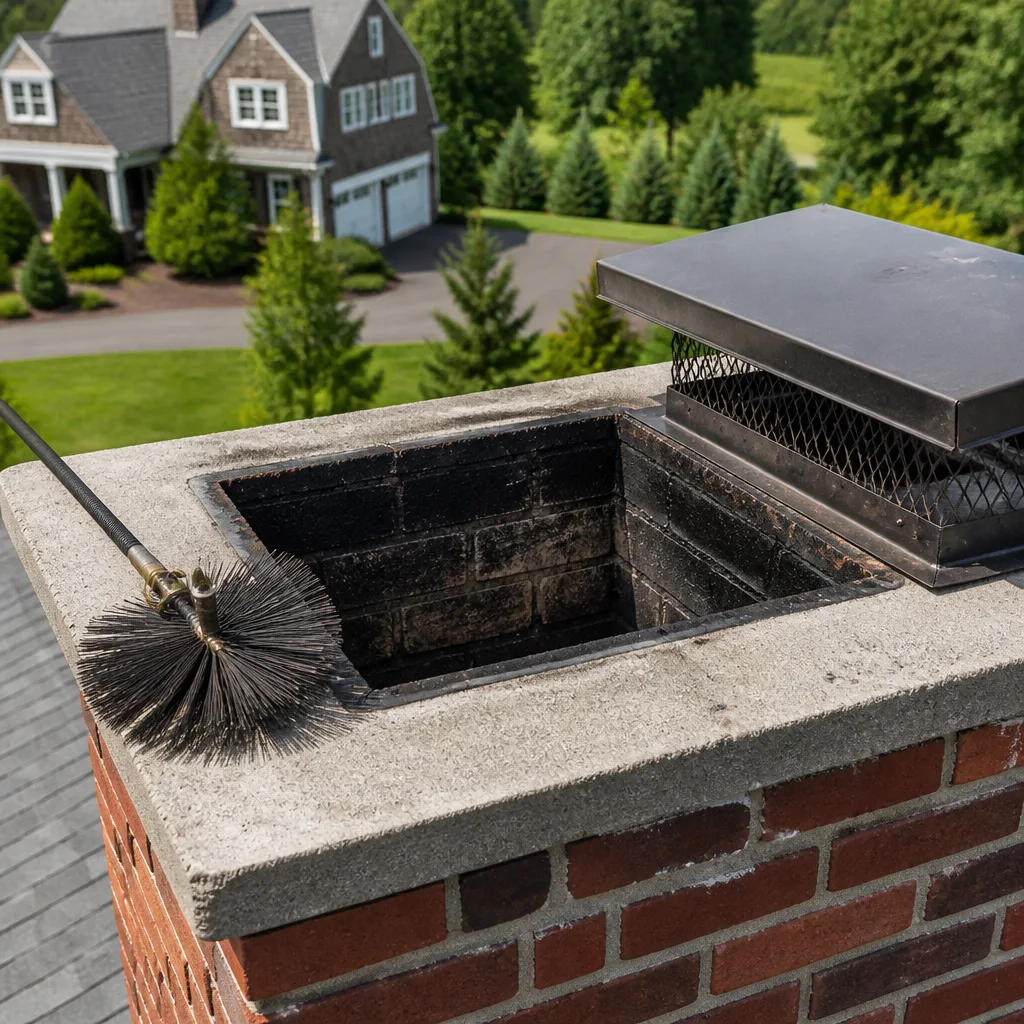 Sweep & inspection
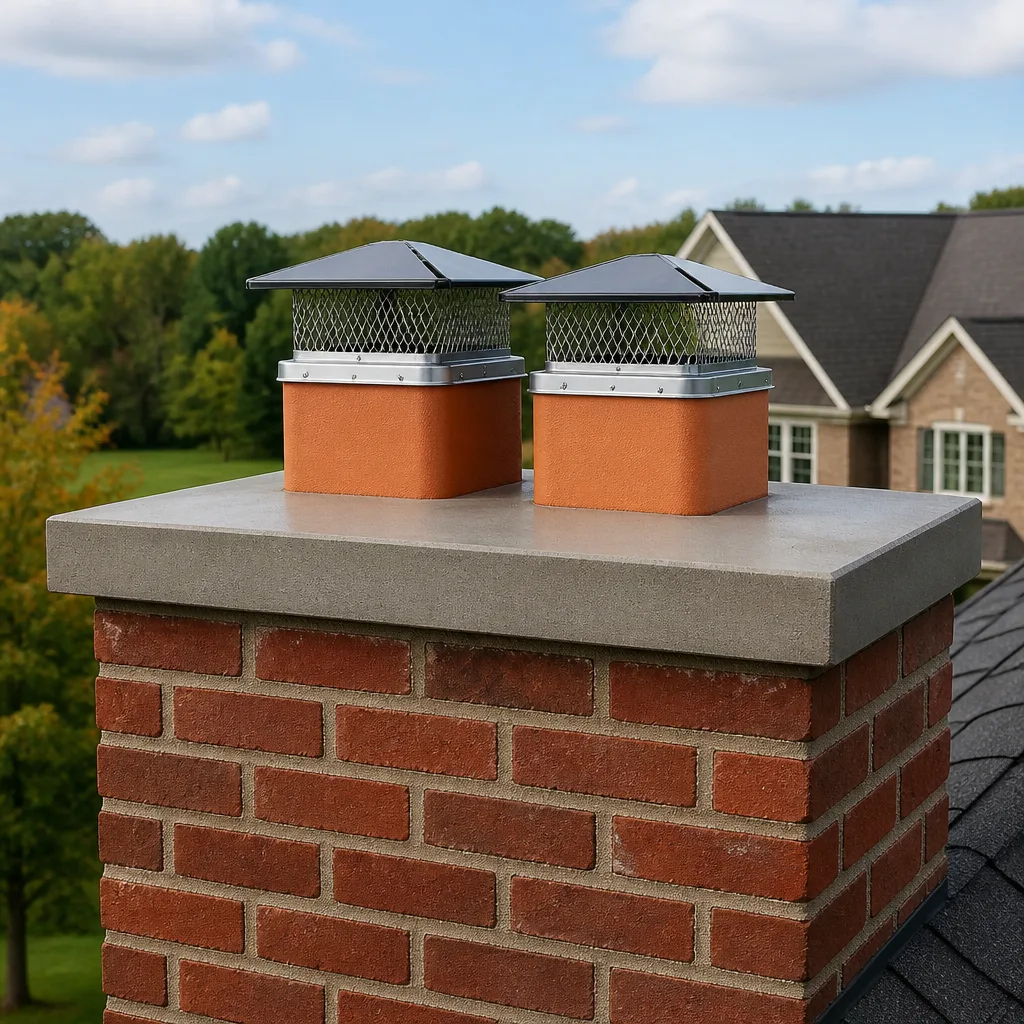 Caps & crowns
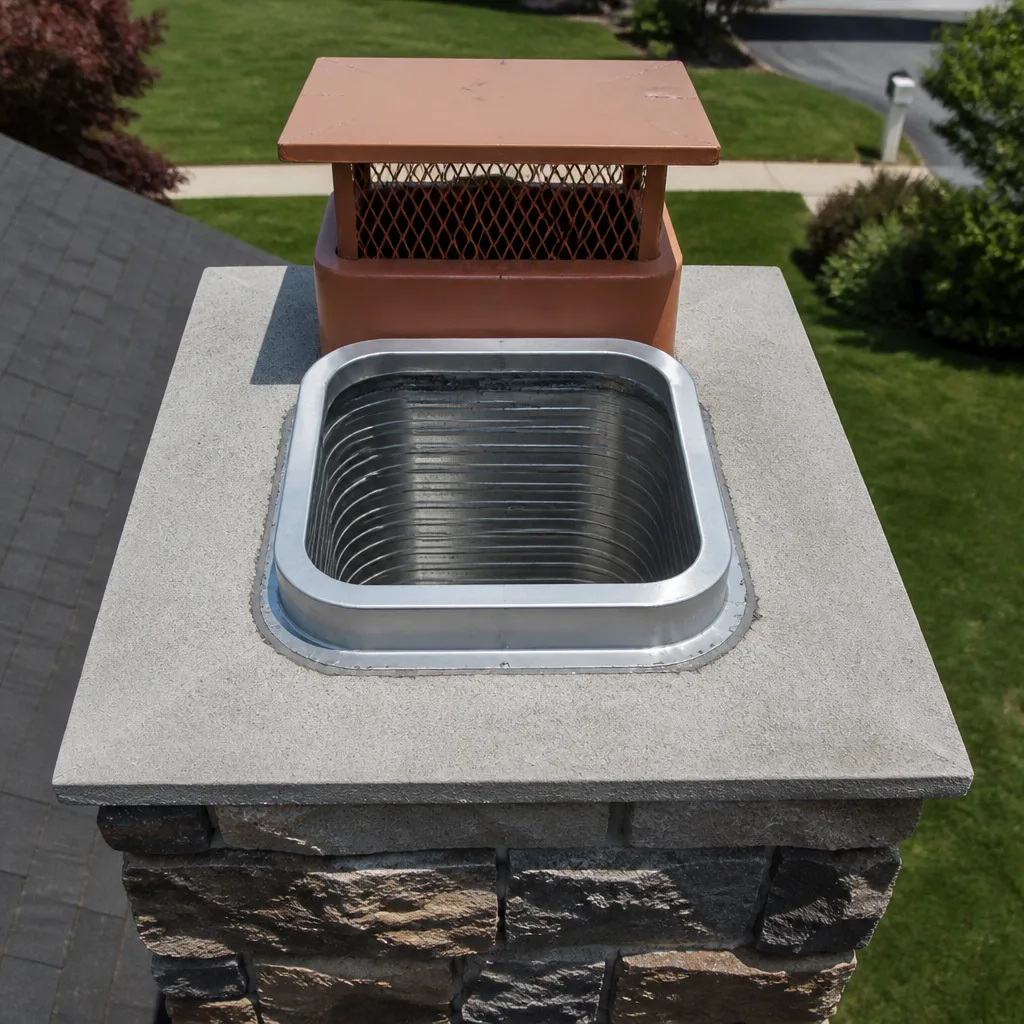 Flue relining
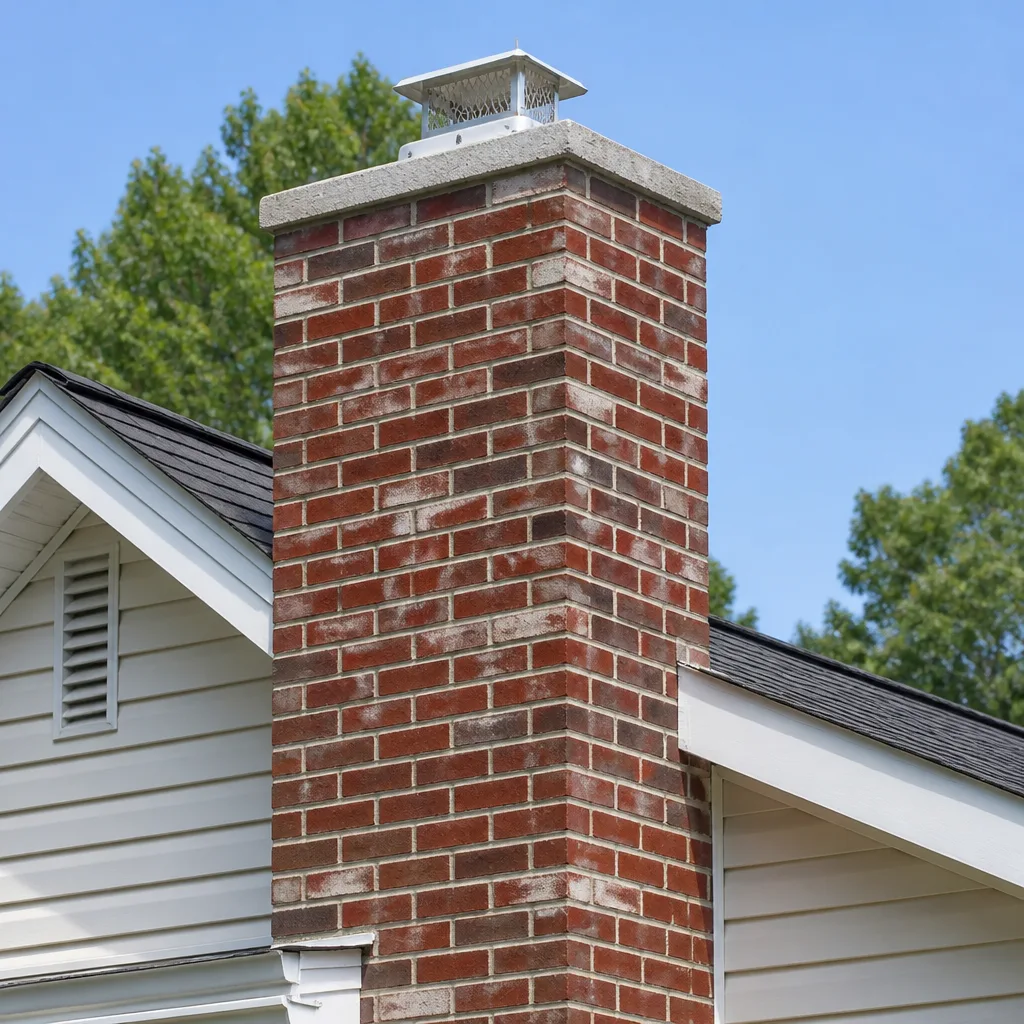 Masonry repair
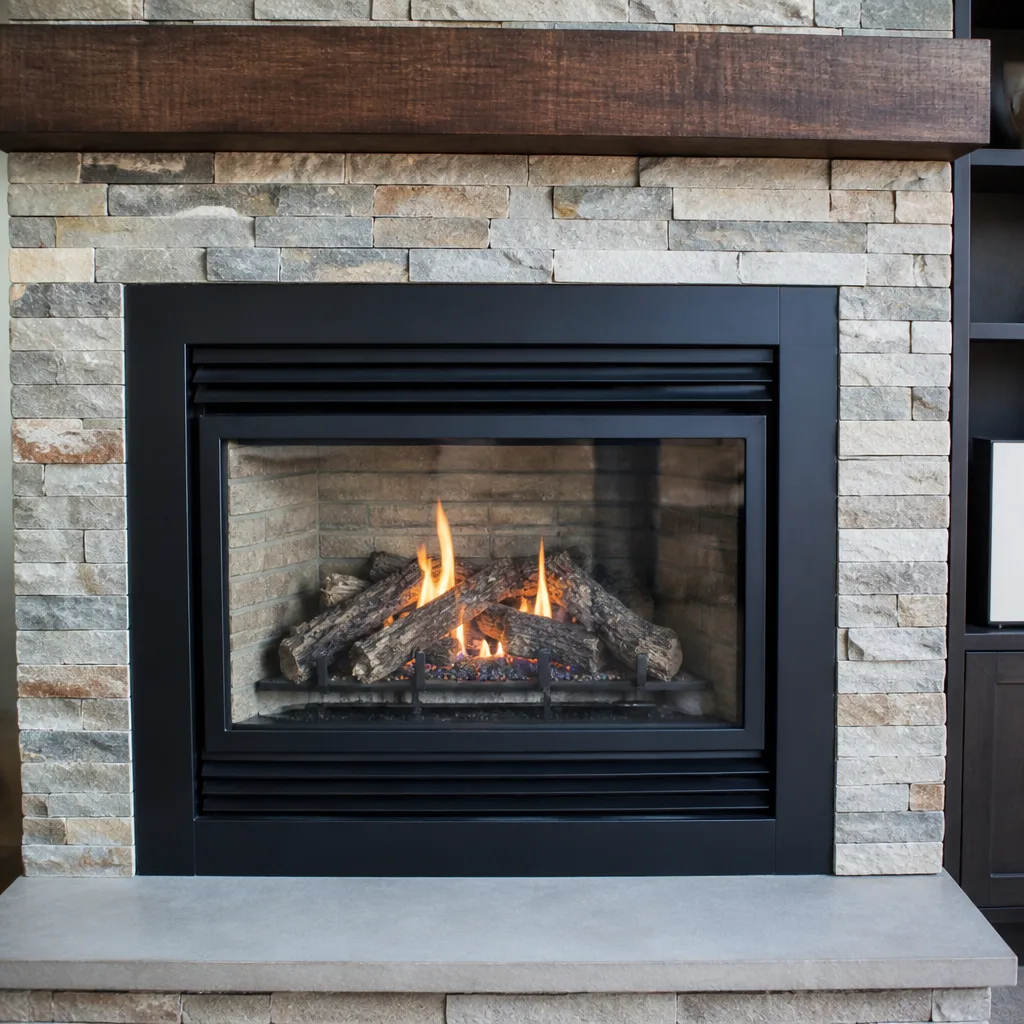 Gas fireplace service
Level 1 sweep and inspection to the NFPA 211 annual standard - flue, crown, cap, and flashing checked and photographed
Chimney sweep logs do not sweep chimneys. They loosen some creosote - which then falls where a brush and vacuum still have to collect it.
Chimney Cleaning Emergency Preparedness Guide for Lakewood Homes
A chimney fire is not the slow, smoky event most people picture. Creosote that has built up inside a flue can ignite and burn at over 2,000°F, hot enough to warp stainless liner sections and crack clay tiles that looked fine on the last inspection. The homeowners most surprised by them are almost always the ones who thought they were being careful with their fires: seasoned wood, no trash, regular burning. Being careful and being prepared are two different things. This guide covers how to recognize a chimney fire in progress, the correct response sequence, what a post-fire inspection has to include, and how Lakewood’s wildfire smoke seasons stress chimney systems in ways most guides never mention.
Quick Answer
Chimney emergency preparedness means eliminating the conditions that cause chimney fires before they start, and having a documented response plan for the rare event one happens anyway. For a Lakewood home, that means an annual professional sweep and inspection, a clear understanding of the warning signs of a chimney fire versus a draft problem, a Level II inspection after any suspected fire before the fireplace is used again, and a written maintenance record that satisfies your insurer if something goes wrong. Preparation happens in the weeks before you light the first fire, not in the minutes after you smell smoke.
Styles & brands we work with
- Sweep & inspection
- Caps & crowns
- Flue relining
- Masonry repair
- Gas fireplace service
Table of Contents
- How to Recognize a Chimney Fire in Progress vs. a Draft Problem
- The Correct Response Sequence for a Chimney Fire
- What a Post-Fire Inspection Must Include
- Lakewood Wildfire Smoke and Air Quality Protocols
- The Pre-Season Documentation Checklist
- Creosote: The Fuel You Can’t See
- Prevention Protocols for Every Burning Season
How to Recognize a Chimney Fire in Progress vs. a Draft Problem
A chimney fire and a draft problem can look similar from inside the living room, which is exactly why so many homeowners misread one for the other. A draft problem is a fireplace that smokes into the room because the flue isn’t pulling properly, or a stove that struggles to light. A chimney fire is a combustion event inside the flue itself, and the signals come from the chimney, not the firebox.
The clearest visual sign is what comes out of the top of the chimney. A healthy fire produces thin, wispy smoke. A chimney fire often throws dense, dark smoke, sometimes with visible sparks or flames at the crown. From outside, you may also hear a low roaring sound, like a distant freight train, or a series of popping and cracking noises coming down the flue.
Inside the house, watch for these signs:
- A hot chimney or hot chase: the wall or metal flue behind the fireplace feels noticeably hotter than usual, or you can smell a strong, acrid burning odor.
- Pieces of creosote on the roof or in the yard: burning creosote can break loose and fall out of the chimney top, or land on the roof as dark, crunchy flakes.
- A sudden change in draft: the fireplace that was pulling fine suddenly reverses or stops, often paired with smoke pushing into the room.
- Pulsing or thumping sounds: the roar of a fire inside a flue can sound rhythmic, like something moving up and down the chimney.
- Smoke detector or carbon monoxide alarm activation: either one, during a fire, is a signal to stop and check the chimney, not just the battery.
A draft problem typically looks like smoke drifting into the room while the fire is burning normally, without heat or sound changes from the chimney. If you’re not sure which you’re dealing with, treat it as a fire until a professional tells you otherwise. A chimney that has just survived a fire can look completely normal from the firebox while the liner above is compromised.
The Correct Response Sequence for a Chimney Fire
The single most important rule: call 911 before you check anything. Chimney fires can spread to the roof structure, and what looks contained from the living room may not be. Firefighters would rather respond to a contained flue fire than arrive at a house fire that started in an attic because nobody called until the smoke was thick.
Here is the correct sequence, in order:
- Get everyone out of the house, then call 911. Do this first. Do not stop to investigate the chimney, look up the flue, or move furniture.
- If you can do so safely, close the fireplace doors or glass doors. This limits the amount of air feeding the fire. Do not open the firebox door to look inside.
- If you can do so safely, close the damper. Cutting the air supply can choke the fire. If the damper is hot to the touch or you cannot reach it safely, leave it.
- Do not spray water into the firebox or up the flue. Water on a 2,000°F flue can crack a clay liner or warp a stainless one, and a sudden steam expansion can push smoke back into the room.
- Wait outside for the fire department. Do not re-enter the house until they’ve cleared it.
After the fire department has left, the fireplace is out of service until a professional inspection says otherwise. This is the part homeowners most often skip: the fire goes out, nothing looks damaged, so the next fire gets lit. A flue liner is a safety barrier between combustion and the wood framing of your house. A single fire can crack a clay tile or open a seam in a stainless liner that still looks fine from the bottom. In our experience across Lakewood, the post-fire inspection is the step that most often uncovers damage the homeowner never knew was there.
This is also where our full-system model matters. A sweep-only crew can clean a flue but can’t diagnose or repair a damaged liner. We inspect before we recommend, and we carry the professional-grade materials to both diagnose and fix what we find. More on the inspection itself below.
What a Post-Fire Inspection Must Include
A post-chimney-fire inspection must include a Level II inspection as defined by the industry, which is a visual inspection of the accessible portions of the chimney, flue, and connected appliance, plus a video scan of the flue interior. This is the standard, and it’s the one insurers and code officials expect. Anything less leaves the most common fire damage unexamined.
The specific elements a post-fire inspection should include:
- Video scan of the full flue length. Clay tile liners crack, spall, or shift at the joints. Stainless liners can warp, separate at a seam, or develop pinholes. Neither shows up from the firebox.
- Inspection of the smoke chamber and damper. The smoke chamber is where creosote and heat concentrate, and it’s where fire damage often hides.
- Crown and cap assessment. A fire hot enough to warp a liner can also crack the crown or the cap, opening the flue to water intrusion.
- Chase and surrounding framing check. If the chimney is in a framed chase, the structure around it needs a look, not just the flue interior.
- A written report with photos. The report should describe what was found and what it means. A verbal “looks fine” doesn’t help if you need to make an insurance claim later.
Why does this matter for insurance? Most homeowner policies include a clause that can limit or deny coverage for a chimney fire if there’s no documented maintenance record or if the fireplace was returned to service without an inspection. An inspection isn’t just a safety step. It’s a record.
If the inspection finds a damaged liner, repair without replacement is sometimes possible. HeatShield resurfacing can restore a deteriorating clay liner from the inside without a full reline, a solution most sweep-only companies can’t offer. If replacement is needed, the relining work uses DuraFlex or Olympia Chimney liner systems, which meet industry safety and venting standards. Either way, the inspection determines the answer, not a guess.
Lakewood Wildfire Smoke and Air Quality Protocols
Lakewood’s summer and early fall wildfire smoke seasons stress chimney systems in ways that have nothing to do with a fire in the firebox. When the outdoor air is thick with smoke, the fireplace becomes a question of pressure, not just supply. The negative pressure inside a house can draw smoke down an unused flue and into the living space, especially on a still, hot day when the chimney isn’t warm enough to pull upward.
The practical protocol depends on what’s happening outside your window:
- Heavy smoke event, chimney not in use: keep the damper closed. An open damper is a pathway for smoke to migrate into the house from the outside. This is the case for most Lakewood homes during a regional smoke event.
- Heavy smoke event, chimney in use: burning a small, hot fire can actually help the flue draft upward and keep smoke out. But if your chimney is due for a sweep, burning during a smoke event is a bad time to push creosote accumulation. The fire in the firebox and the fire in the flue are two very different risks.
- Air quality alert in effect, no fire planned: close the damper and check that your carbon monoxide detectors are working. A smoky day is exactly when an unnoticed flue leak or block becomes a real problem.
- Cold snap alternating with smoke: if the weather turns and you start burning again after a smoke event, don’t overlook smell tests. A faint smoky smell in the house a day or two after a fire can sometimes be the sign of a compromised flue or an unsealed cap.
One Lakewood-specific note: the dry, windy fall conditions that make wildfire smoke common also mean that a loose cap or cracked crown is a real problem going into winter. Wind-driven rain and snow can push into a damaged cap and freeze, widening the crack. A pre-season look at the chimney cap and crown before the first hard freeze saves a lot of trouble later.
The Pre-Season Documentation Checklist
The best time to build a defensible maintenance record is before the season starts, not after something goes wrong. If a fire or carbon monoxide incident does happen, the file an insurer wants is the one you built in the summer, not the one you scrambled together afterward.
Here’s a checklist to keep for each season:
- Get an annual chimney sweep and inspection before the first fire. A sweep removes the creosote. An inspection documents the condition. Keep both in the same file.
- Save the written inspection report and photos. This is the single most important document. It should include the date, the findings, and the inspector’s recommendations.
- Keep receipts for any repairs or parts. A cap installed this year, a crown repair, a new damper: each one belongs in the file.
- Record dates you burned and wood you burned. A simple log of when you burned and whether the wood was seasoned helps a professional diagnose creosote accumulation patterns.
- Test carbon monoxide detectors and note the date. Two sentences in a notebook beats trying to remember later.
- Store the file digitally and physically. A folder in your email plus a paper copy in the home is the safest bet. If there’s a fire, the paper copy may be the only one you can reach.
The sweep is also the step that heads off most problems. If your chimney is overdue for a cleaning, that’s the place to start. A professional chimney sweep removes the creosote that fuels a chimney fire, and the inspection that comes with it documents the condition of the system. We inspect before we recommend anything beyond the sweep.
Creosote: The Fuel You Can’t See
Creosote is the residue that forms when wood smoke cools on its way up the flue. It comes in three forms, and the third is the one that causes most chimney fires. First-degree creosote is light, flaky soot you can brush away. Second-degree is a crusty, tar-like layer that needs more than brushing. Third-degree is glazed, hard, and looks like a shiny coating on the flue wall. That third form ignites at a much lower temperature than one might expect, and once it starts burning, it can turn a routine fire into a 2,000°F event.
What makes creosote worse:
- Unseasoned or wet wood: moisture in the wood lowers firebox temperature and produces more smoke, which is more fuel for creosote.
- Smoldering, low-temperature fires: a fire that never gets hot enough to burn cleanly deposits creosote faster than a hot, active fire.
- A cold flue: the first fire of the season in a cold chimney produces more condensation, and condensation is where creosote forms.
- An oversized flue for the appliance: a flue that’s too large for the firebox lets smoke cool before it exits, and cool smoke sticks.
The good news is that a sweep can only remove certain forms of creosote. First and second-degree come off with the right brushes and tools. A glazed third-degree layer may require a chemical treatment or, in the worst case, a liner assessment. That’s why the inspection matters: it tells us what we’re actually dealing with, and whether a sweep is enough or whether the liner needs attention.
Prevention Protocols for Every Burning Season
The best emergency plan is the one that keeps the emergency from happening. These are the protocols we recommend for every Lakewood home with a wood-burning or gas fireplace, in order of impact.
- Book the annual sweep and inspection before the season starts. Getting it done in the warmer months means you’re not waiting for a slot when the first cold snap hits and everyone else is calling too.
- Burn seasoned wood only. Wood that’s dry and well-seasoned burns hotter and cleaner than green or wet wood. Ask for the moisture content if you’re buying.
- Don’t overload the firebox. A fire piled high against the damper produces more smoke and more creosote. A smaller, hotter fire burns cleaner.
- Keep the cap and crown in good repair. A missing cap lets rain, animals, and debris in. A cracked crown lets water into the masonry. Both compromise the system over time. If your cap is missing or your crown is cracked, our chimney cap & crown service is the right starting point.
- Check the smoke chamber and damper annually. These are inspected as part of the annual visit. The smoke chamber is where creosote and heat concentrate, and the damper is your emergency air control.
- Address fireplace damage early. A cracked firebox brick or a failed damper that’s been “like that for years” is a problem that gets worse, not worse-then-better. Our fireplace repair service handles this without a second contractor.
- Test carbon monoxide detectors at the start of every season. This is the cheapest insurance there is.
The whole-system view is what makes these protocols work together. A clean flue with a cracked crown still lets water in. A repaired firebox with a glazed liner still has a real fire risk. Lakewood homes with wood-burning fireplaces and the dry, windy conditions of the Front Range need the whole system looked at, not just the flue brushed. One call covers it: sweep, inspect, repair, protect.
For the full overview of what we do, see Lakewood Chimney Sweep Experts.
Common Mistakes to Avoid
- Smelling smoke and assuming it’s a draft problem. A draft problem and a chimney fire can feel the same from the living room. Smell, sound, and heat from the chimney itself are the tells, and if you’re unsure, treat it as a fire.
- Not calling 911 because “it’s just a chimney fire.” A flue fire can spread into a framed chase without any visible flame in the firebox. Firefighters would rather see a contained fire than arrive at a house fire.
- Relighting the fireplace after a fire without a Level II inspection. The fire goes out, nothing looks wrong, and the liner above is cracked. A Level II inspection with a video scan is the standard, and anything less leaves the most likely damage unexamined.
- Skipping the annual sweep because “we don’t burn that much.” Creosote builds whether you burn ten fires a season or a hundred. Low, slow burning actually produces more of it, and a light user who skips the sweep can still have glazed creosote by spring.
- Burning wet or unseasoned wood to save money. Wet wood produces more smoke, more creosote, and less heat. It costs less at the curb and more in the long run.
- Using the fireplace during a Lakewood smoke event without checking the flue. A smoky day is the wrong day to push creosote accumulation. If the chimney is due for a sweep, wait until it’s done.
- Not keeping the maintenance record. A homeowner who can’t produce an inspection report has an insurance problem if a fire happens. The file built in the offseason is the one that helps when an incident occurs.
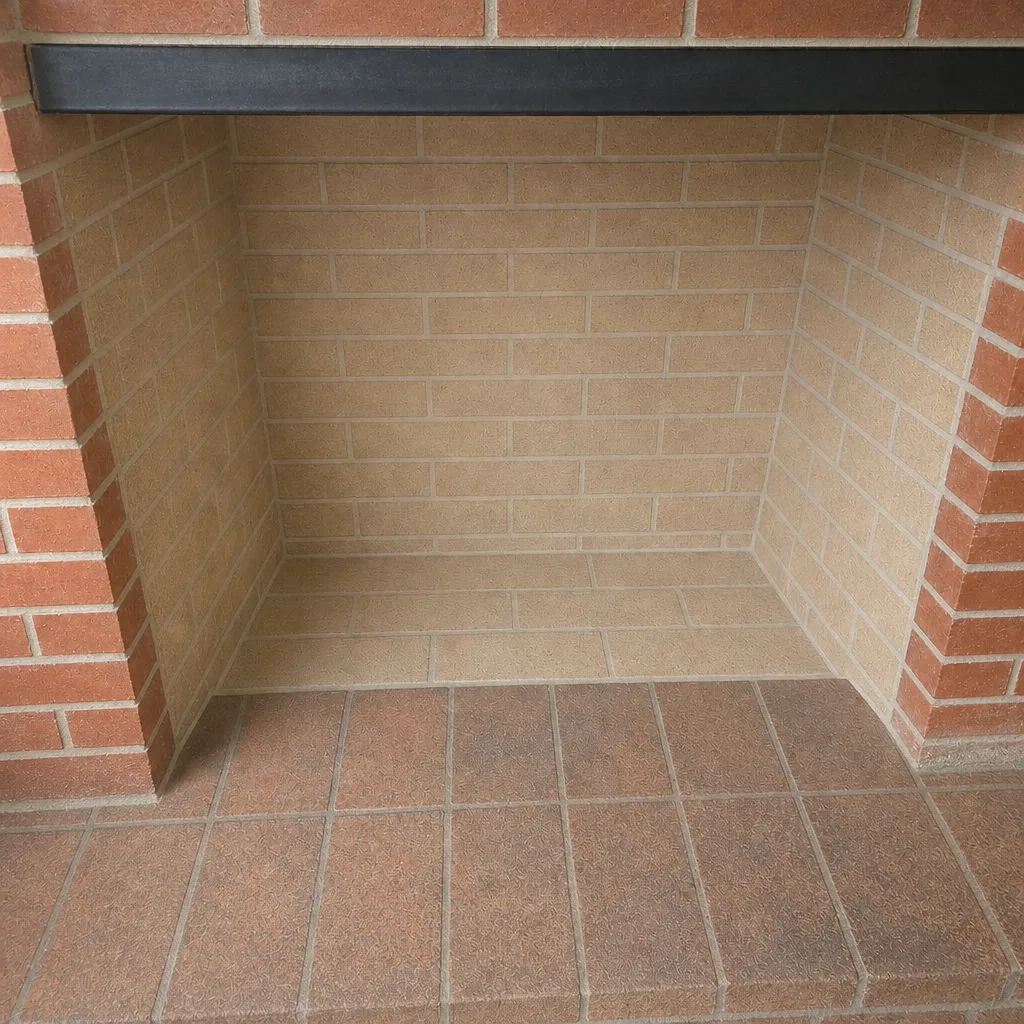
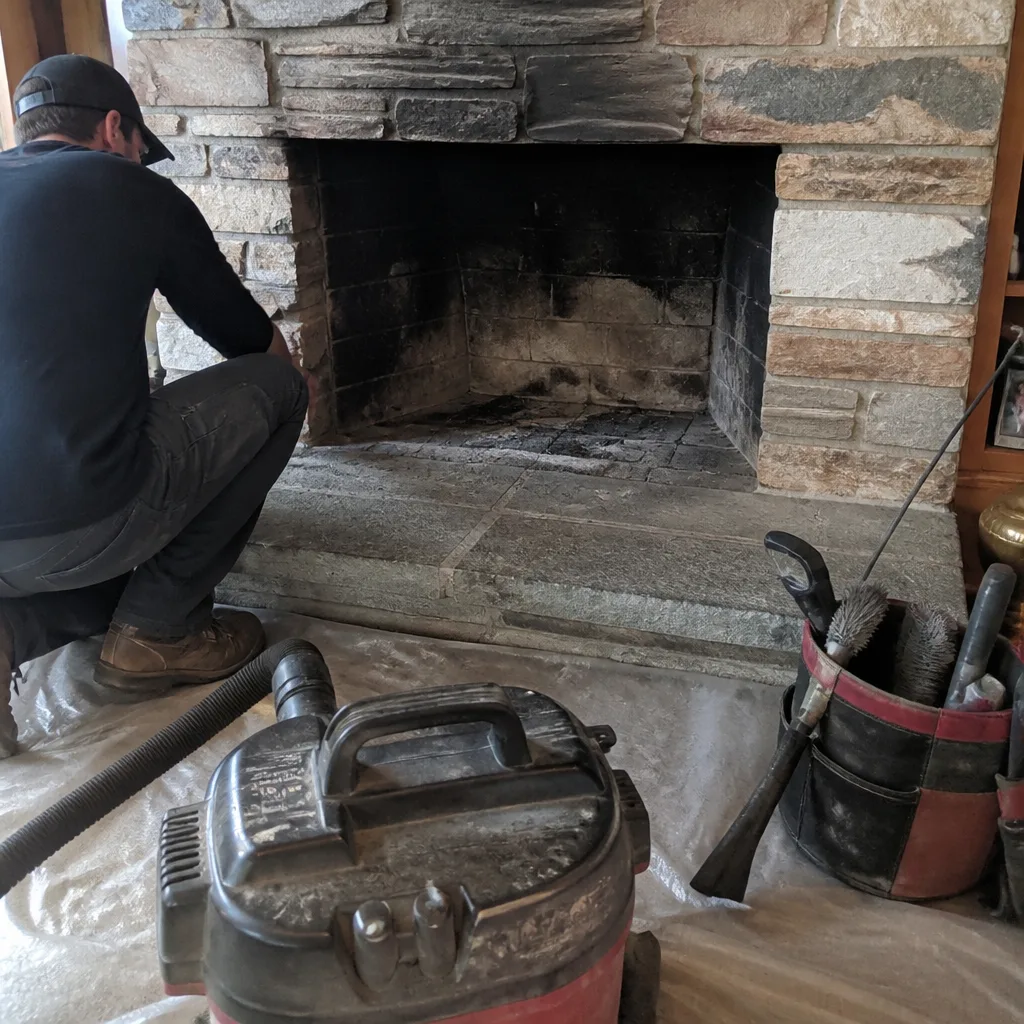
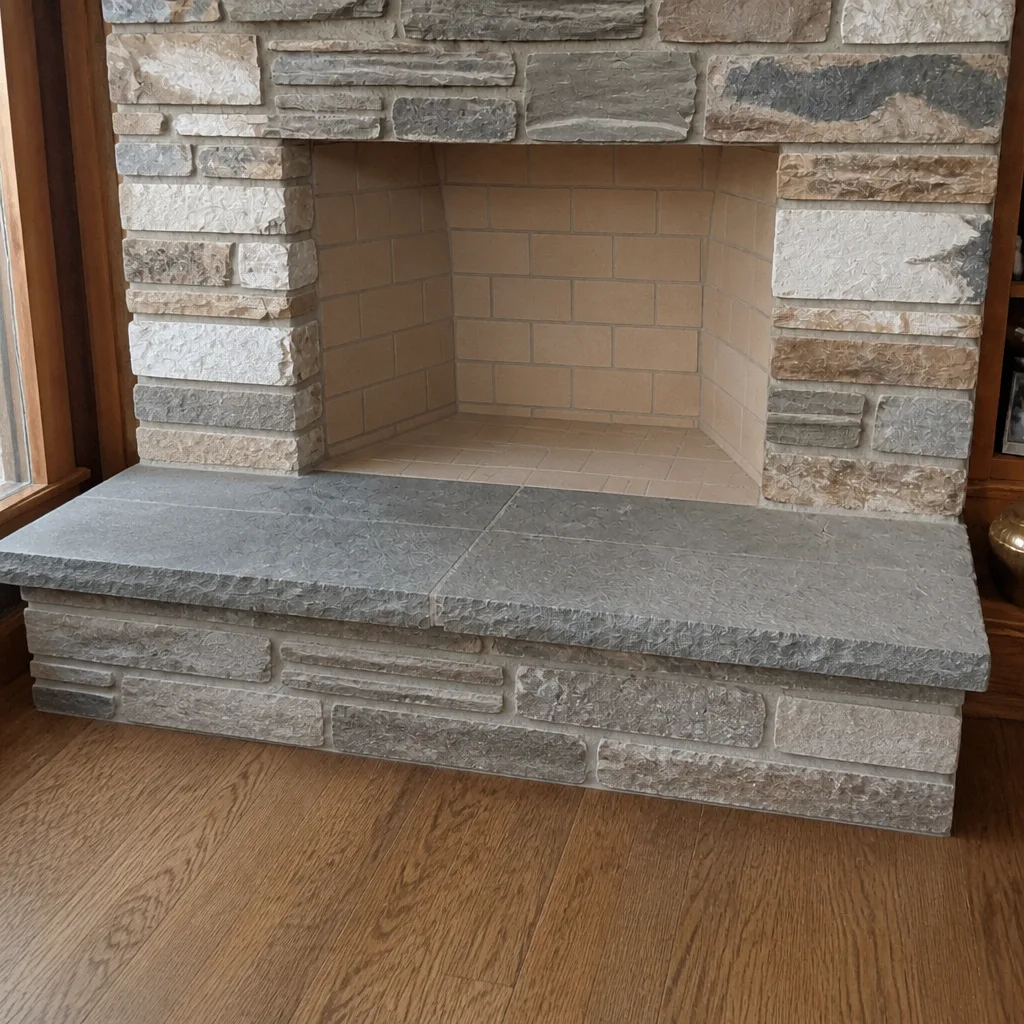
See the difference
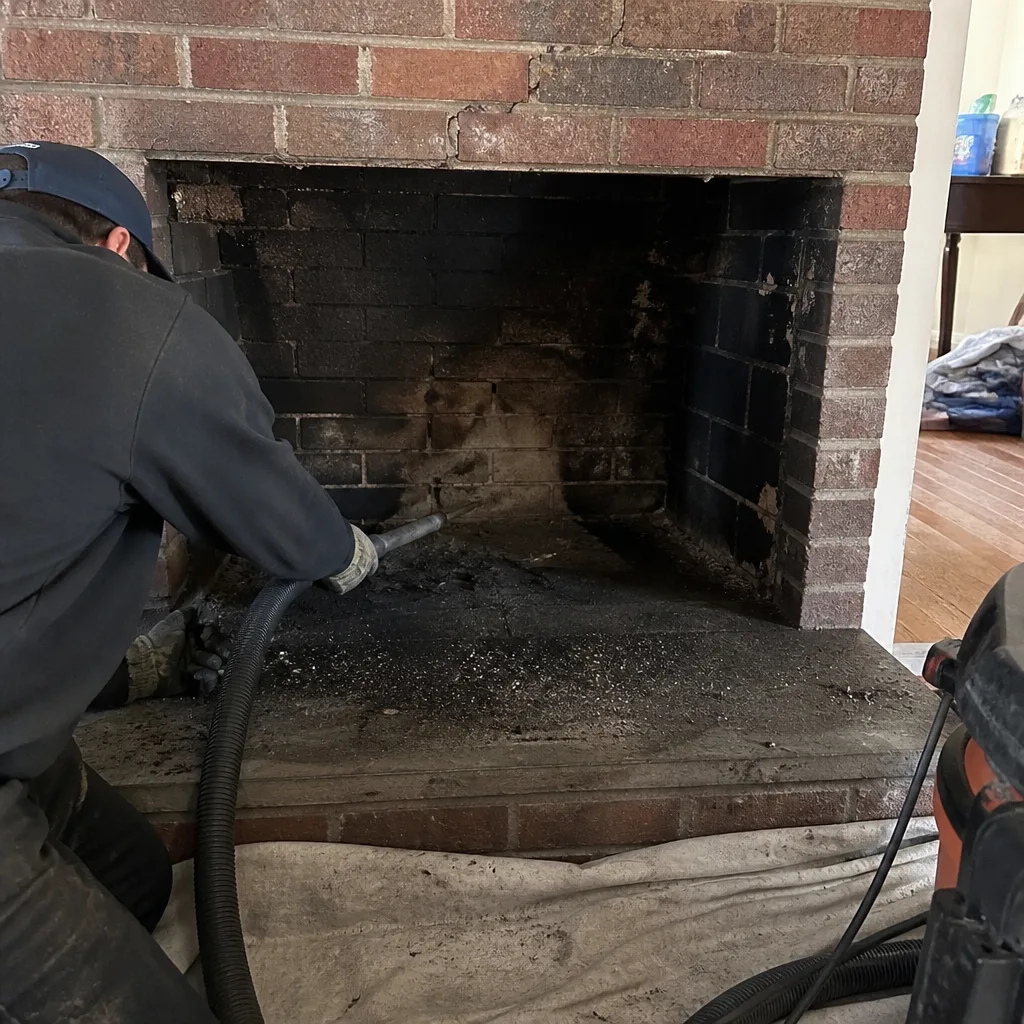 Before
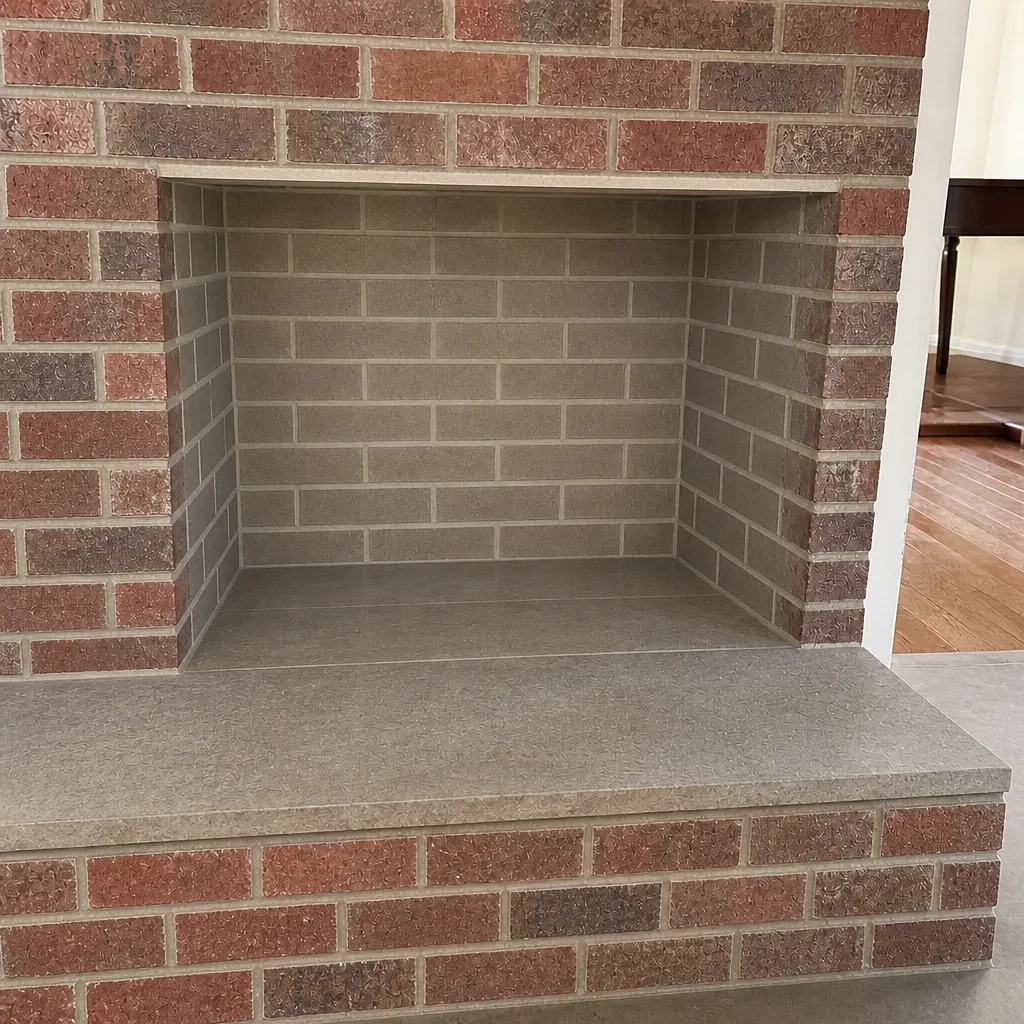 After
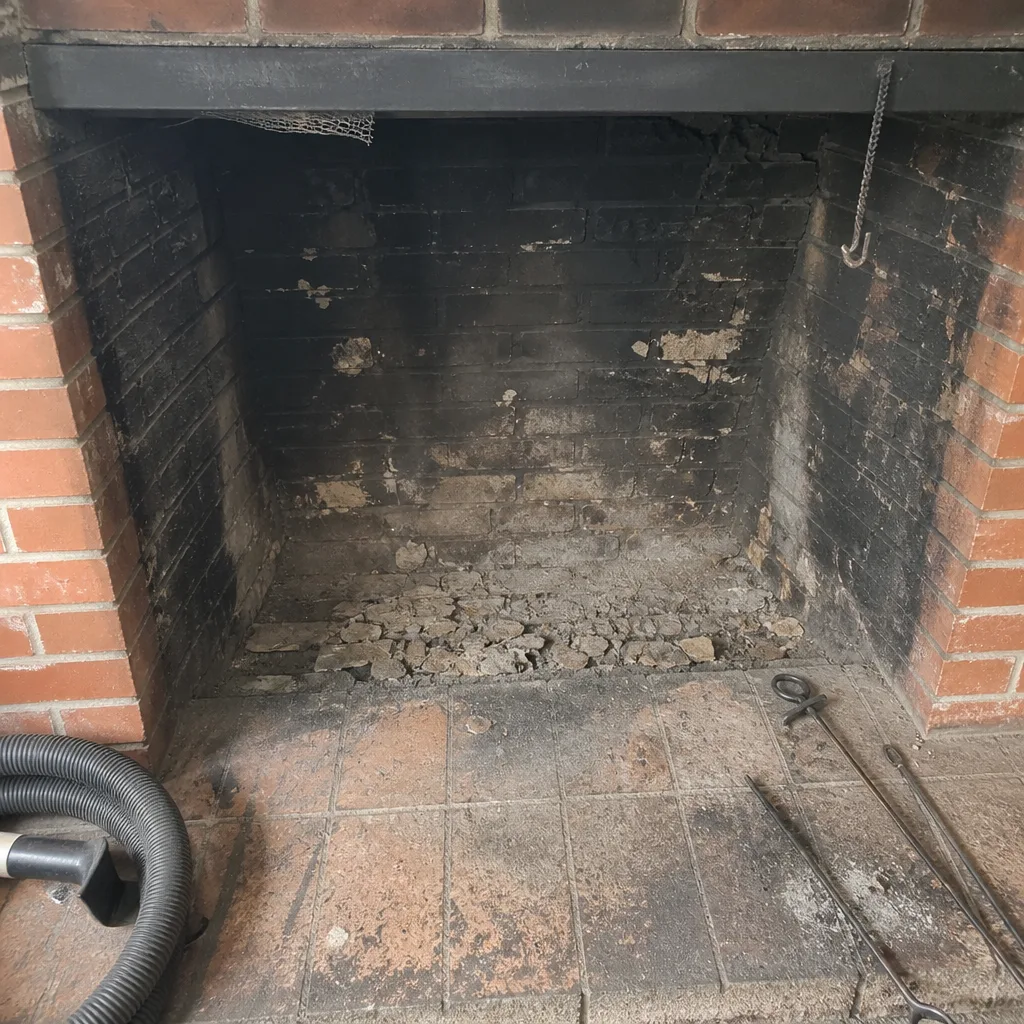 Before
 After
 Before
 After
When to Call a Professional
Call a professional for anything involving the flue interior, the liner, or the chimney structure above the roofline. A sweep and inspection every year is the baseline. Beyond that, call when you smell smoke a day after a fire, notice a cracked crown, need a cap installed, have a chimney fire that the fire department responded to, or find glazed creosote during a cleaning. Also call if your fireplace hasn’t been inspected in years and you’re about to start using it. Lakewood Chimney Sweep Experts offers free estimates in Lakewood. Our technicians have up to 9 years of experience across the full system, and we can work with your insurer’s documentation needs. Call (855) 964-4542. We answer 24/7. Fast dispatch from 7am to 7pm, Sunday through Friday. The estimate is free and sets the price; no surprises and no pressure.
Frequently Asked Questions
A chimney fire often sounds like a low, rumbling roar, sometimes compared to a distant freight train, with popping and cracking as the creosote burns. The sound can also pulse, like something moving up and down the flue.
Creosote combustion can exceed 2,000°F inside the flue, hot enough to warp stainless liner sections and crack clay tiles. That heat is why a fire can damage the liner even when nothing in the firebox looks wrong.
Yes. A Level II inspection, including a video scan of the flue, is the standard after any chimney fire and before the fireplace is used again. It’s what your insurer will expect to see in the record, and it’s the only way to see damage above the firebox. Call (855) 964-4542 for a post-fire inspection quote; estimates are free.
A persistent smoky smell after a fire can point to a draft problem, a leaky flue, an unsealed cap, or a compromised liner. A professional inspection with a video scan is the way to find the source. Call (855) 964-4542 for an inspection.
Seasoned, dry wood. Wet or green wood produces more smoke and more creosote, and a smoldering fire deposits more of both. Ask about moisture content when you buy wood, and keep fires hot and controlled rather than damped down for long, slow burns.
Sometimes. HeatShield resurfacing can restore a deteriorating clay liner from the inside without a full reline. Whether it’s an option for your chimney depends on the inspection findings. If a full reline is needed, we use DuraFlex or Olympia Chimney liner systems. We inspect before we recommend, and we can show you what the camera sees. Call (855) 964-4542 for a free estimate.
The Bottom Line
Chimney emergency preparedness isn’t a fire extinguisher next to the hearth. It’s an annual sweep and inspection, a documented record, a clear understanding of the warning signs, and a response plan that starts with a phone call to 911. In Lakewood, it also means paying attention to what wildfire smoke season does to your system, and keeping the cap and crown in shape before the first freeze. The homeowners who avoid chimney emergencies are the ones who understand that the flue is a system, not just a hole in the wall. If you’re not sure where your chimney stands, the annual sweep is the place to start. One call covers it: sweep, inspect, repair, protect.
Call (855) 964-4542 for a free estimate. We answer 24/7. Fast dispatch from 7am to 7pm, Sunday through Friday.
Written by the team at Lakewood Chimney Sweep Experts.