
Last updated November 23, 2026
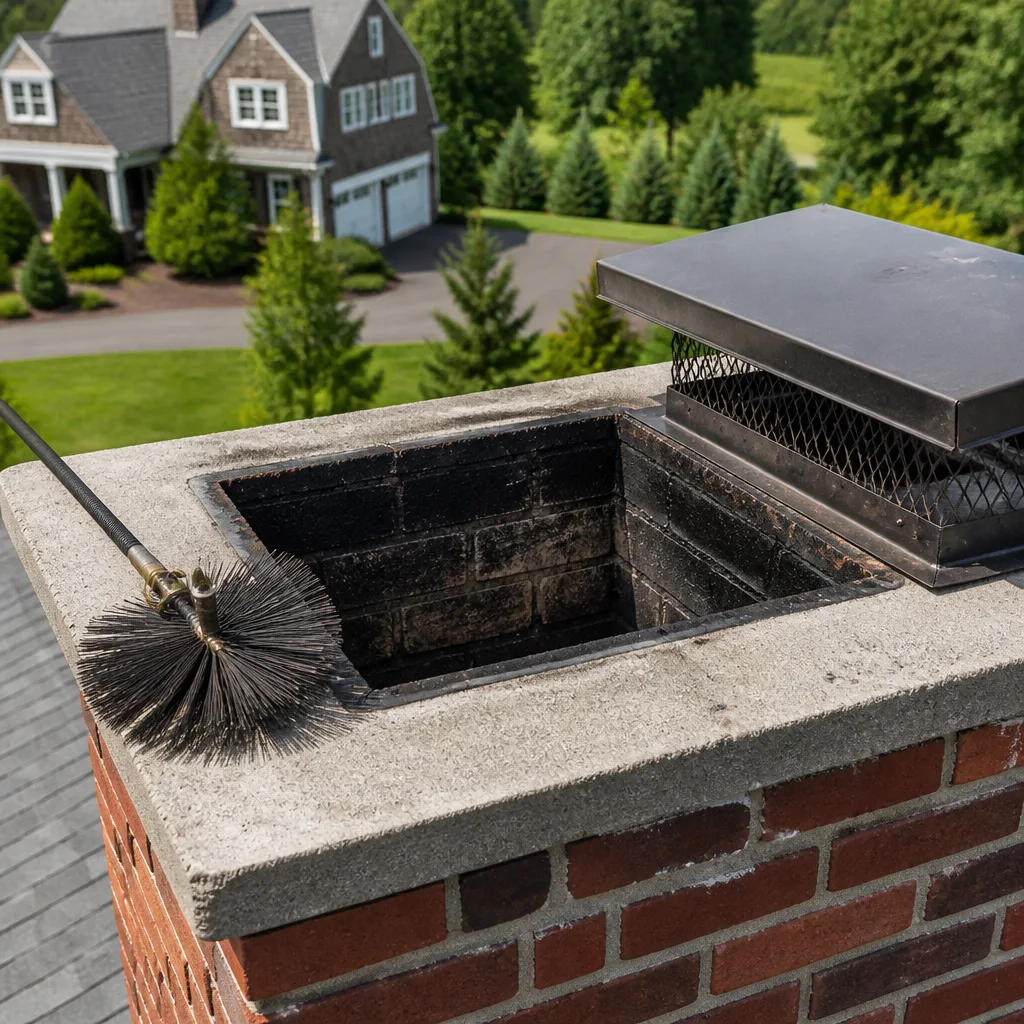 Sweep & inspection
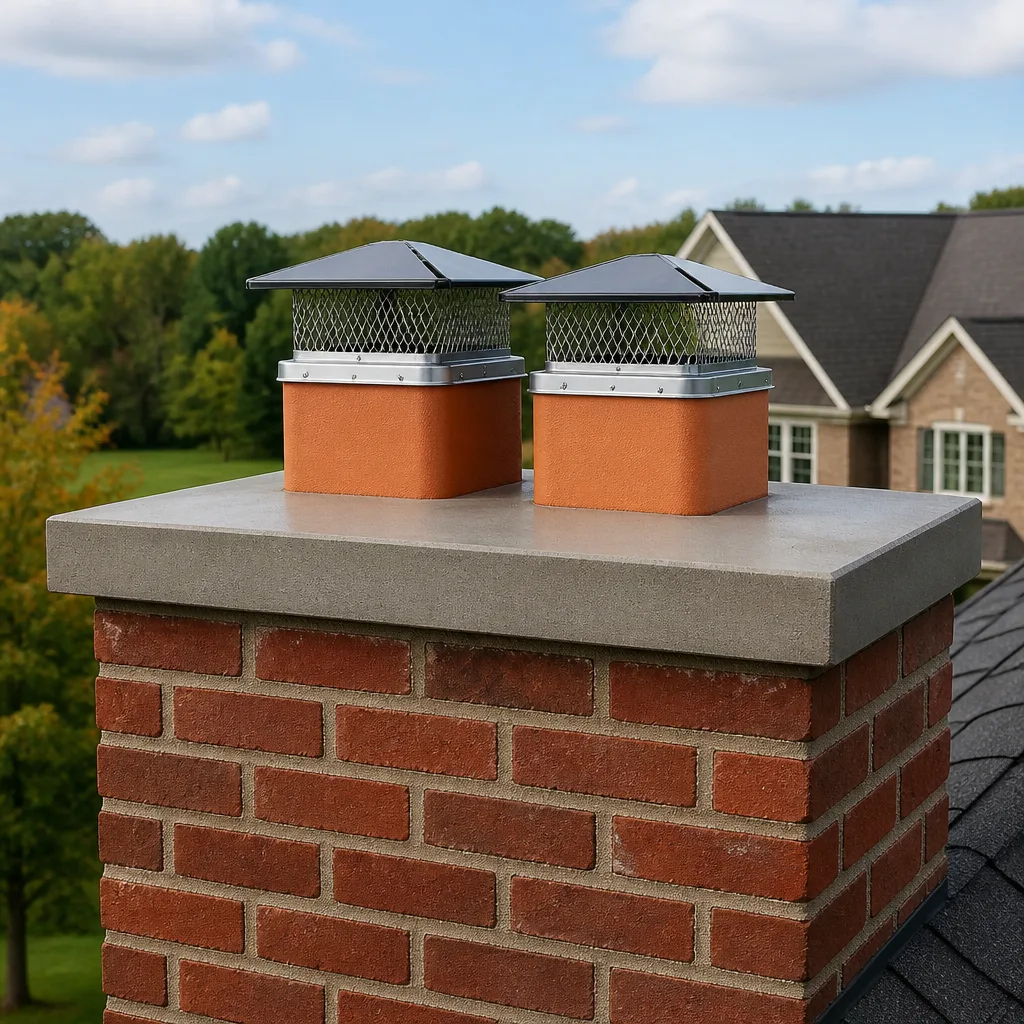 Caps & crowns
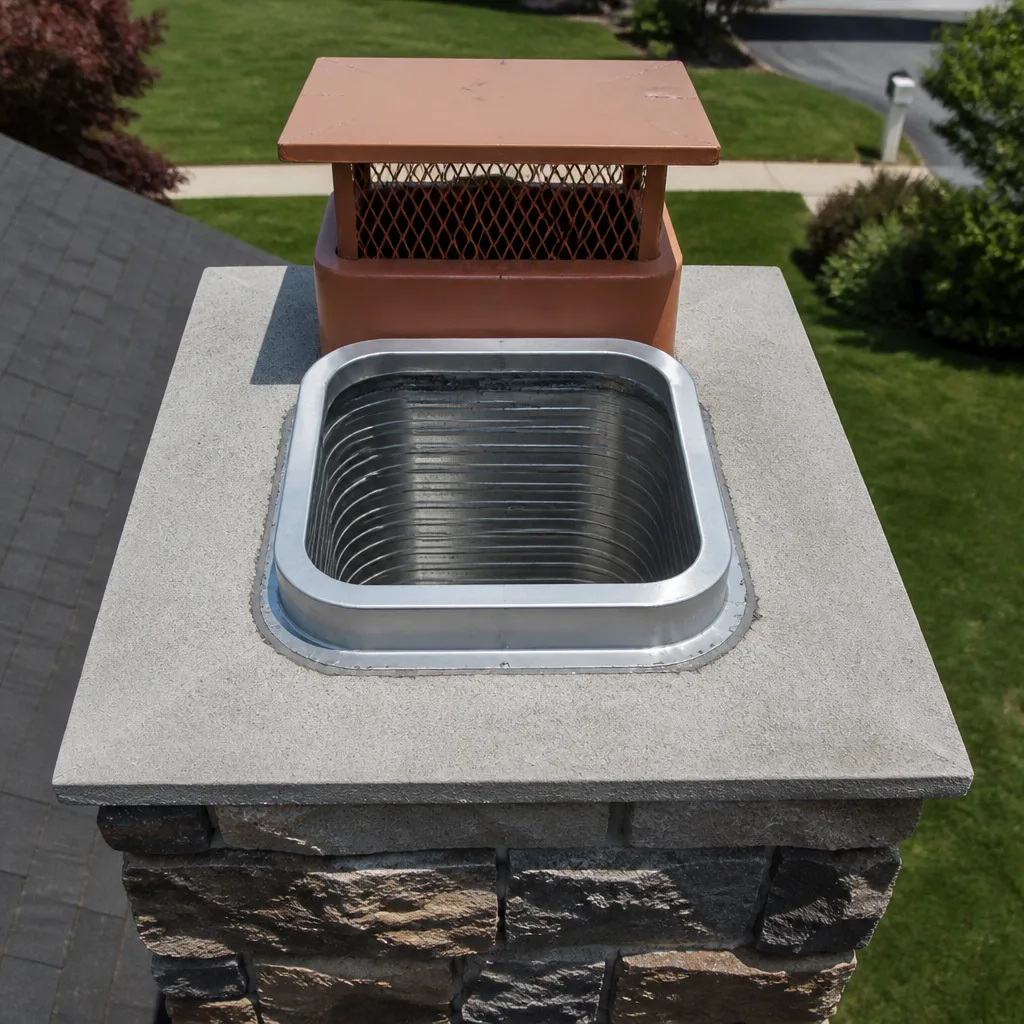 Flue relining
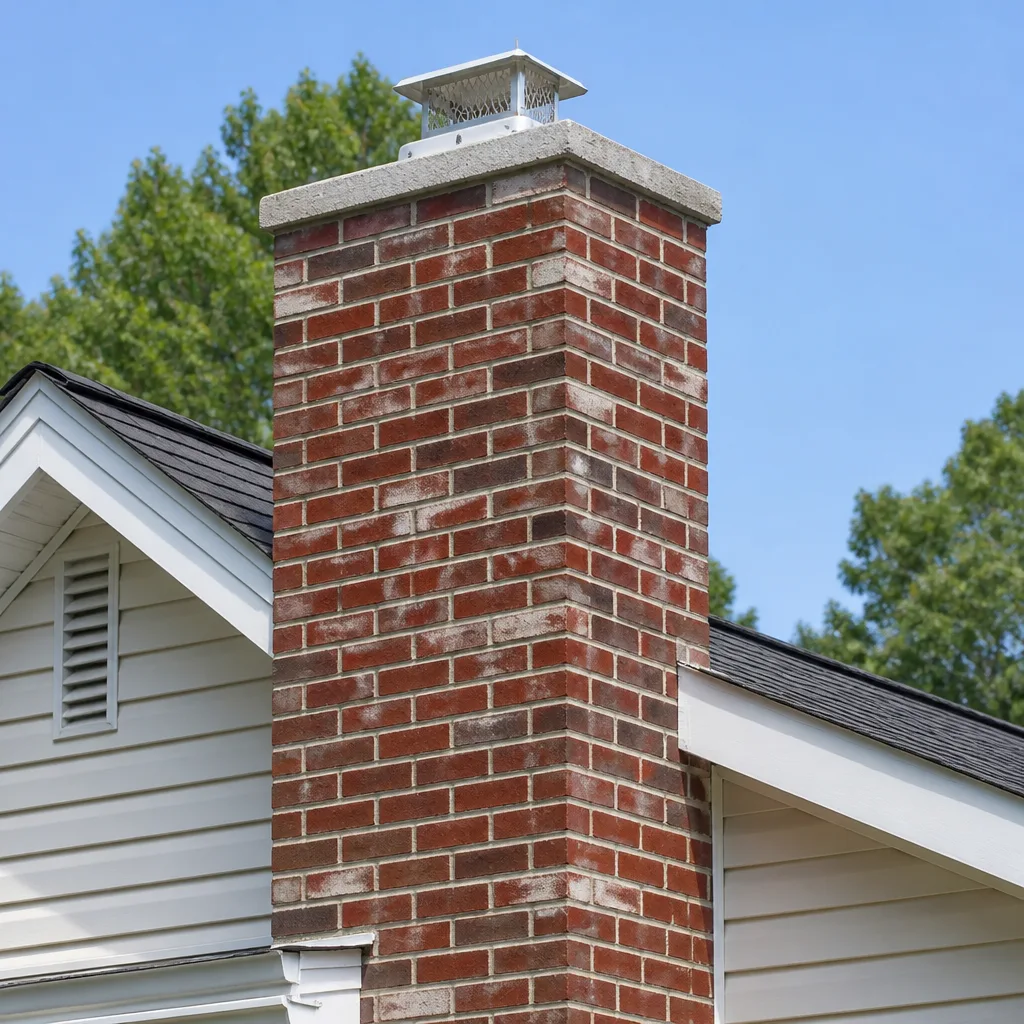 Masonry repair
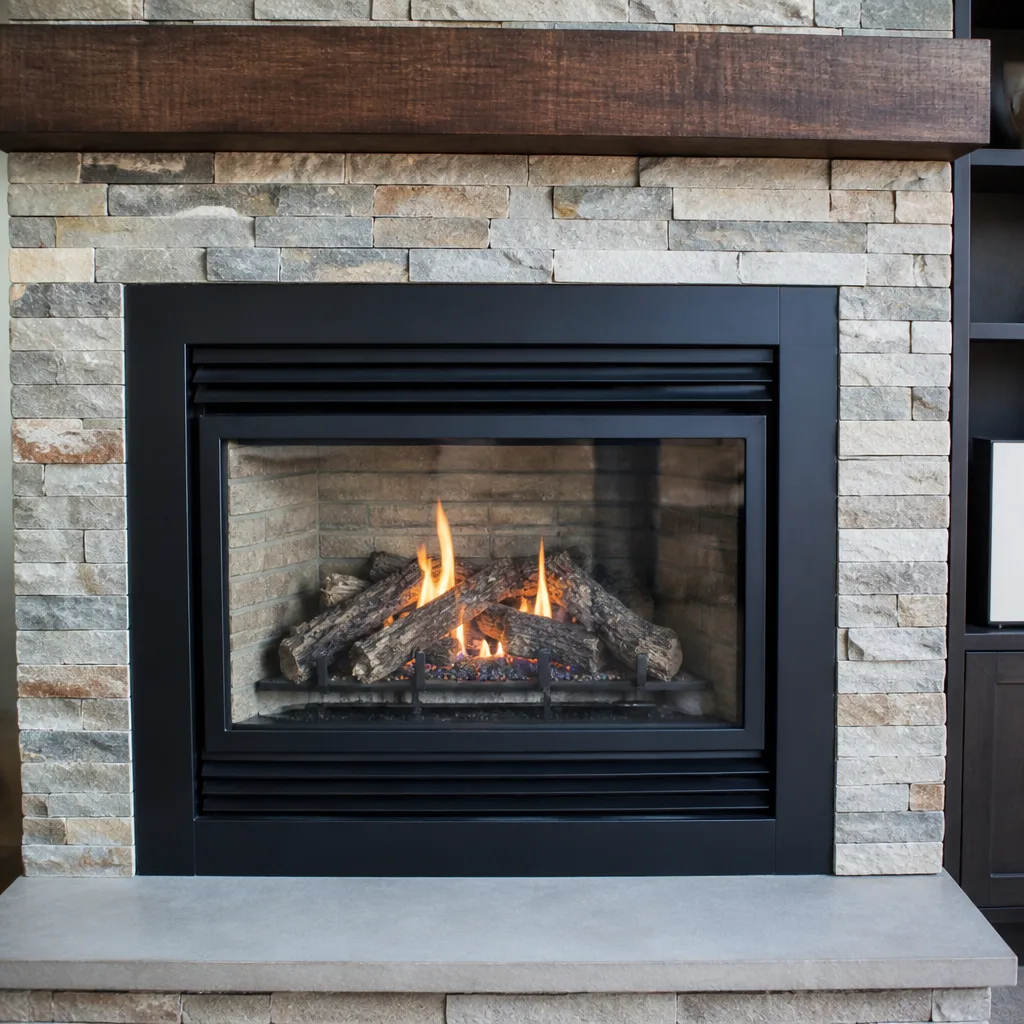 Gas fireplace service
Level 1 sweep and inspection to the NFPA 211 annual standard - flue, crown, cap, and flashing checked and photographed
Chimney sweep logs do not sweep chimneys. They loosen some creosote - which then falls where a brush and vacuum still have to collect it.
The Complete Guide to Chimney Cleaning in Lakewood
Most chimney guides assume you’re burning hardwood at sea level. In Lakewood, neither of those is true. At 5,430 feet, the air is thinner, wood burns differently, and a fire that looks healthy from the living room can be laying down creosote faster than lower-elevation cleaning schedules would ever predict. That gap between generic advice and how chimneys actually behave in Lakewood is where real problems hide.
This guide walks through the whole picture: what cleaning really involves, how Lakewood’s altitude and pine-heavy firewood change the creosote math, why a cleaning visit and an inspection are two different jobs, and how to read the written report you get afterward. By the end, you’ll know what to ask for and what to watch for.
Quick Answer
A proper chimney cleaning in Lakewood is a full-system service, not just a brush run. It means removing creosote and soot from the flue, checking the firebox, damper, cap, crown and flashing, and almost always pairing the sweep with a camera inspection. Because Lakewood sits at 5,430 feet and many homes burn pine and spruce, creosote builds faster here, so annual cleaning plus inspection is the baseline for regular wood burners.
Styles & brands we work with
- Sweep & inspection
- Caps & crowns
- Flue relining
- Masonry repair
- Gas fireplace service
Table of Contents
- Why Chimney Cleaning in Lakewood Is Different
- Cleaning vs. Inspection: The Distinction That Matters
- What a Proper Cleaning Sequence Looks Like
- Reading Creosote Stages
- Firewood Species and Sweeping Frequency
- How to Read Your Sweep’s Written Report
- Your Chimney System, Not Just Your Flue
- Common Mistakes to Avoid
Why Chimney Cleaning in Lakewood Is Different
Lakewood sits at roughly 5,430 feet, and that elevation changes how a fire burns. At altitude, there’s less oxygen in every cubic foot of air moving through the firebox. Wood ignites slower, burns cooler on the front end, and produces more incomplete combustion during the cold-start phase. Incomplete combustion is exactly what creates creosote. A fire that smolders through its first twenty minutes because the air intake is choked down leaves more unburned material on the flue walls than the same fire would at 500 feet.
Add Lakewood’s temperature swings and you get a second effect. Front Range evenings cool off quickly, and a chimney that was hot at 6pm can be cold by 10pm. That cycle of warming and cooling lets creosote condense out of the smoke and settle on the flue, and it does it more aggressively than the steady cold of a mountain valley or the stable warmth of a lowland winter.
What that means for you in practical terms:
- Creosote accumulates faster than cleaning schedules written for lower-elevation homes assume.
- Stage 2 creosote (the glazed, harder type) shows up sooner in Lakewood because of the smoldering start-ups.
- Homes near the foothills edge, with colder overnight air, tend to see more condensation on the flue.
- Pine and spruce, common in Colorado firewood piles, add to the buildup.
The takeaway is simple: a schedule you read about online for a hardwood-burning home in Ohio probably doesn’t match your Lakewood house. Go by what your flue actually shows, not by a generic rule of thumb.
Cleaning vs. Inspection: The Distinction That Matters
A cleaning removes creosote, soot and debris. An inspection evaluates the condition of the whole system: the flue liner, the firebox, the damper, the smoke chamber, the cap and the crown. These are two different jobs, and confusing them leaves hazards undetected. A flue can look clean and still have a cracked liner, a failed crown joint or a loose cap that’s letting water in.
Here’s the practical difference:
- Cleaning answers “is the flue clear?” It’s about removing the fire fuel from inside the chimney.
- Inspection answers “is the system safe to use?” It’s about integrity, venting, clearance to combustibles and structural condition.
- A sweep-only visit does the first and skips the second. That’s the gap we see in the field.
- A full-system visit does both, and includes camera footage and a written report.
In our experience, the most common failure isn’t a homeowner who never calls. It’s a homeowner who gets a cheap brush-and-go sweep every year and never learns that the liner has been degrading for three seasons. That’s not a cleaning failure. It’s an inspection gap. A cleaning is the reason to be up on the roof and in the flue; the inspection is what makes that trip worth taking.
Any legitimate chimney service should be willing to do both. When a contractor offers only the sweep, ask whether the visit includes a camera inspection and a written report. If the answer is no, you’re not getting a full picture of your system.
What a Proper Cleaning Sequence Looks Like
A real cleaning follows an order. It’s top-to-bottom for a reason: you want to capture the creosote at the source and contain it before it ends up in the living room. Here’s what a proper sequence looks like:
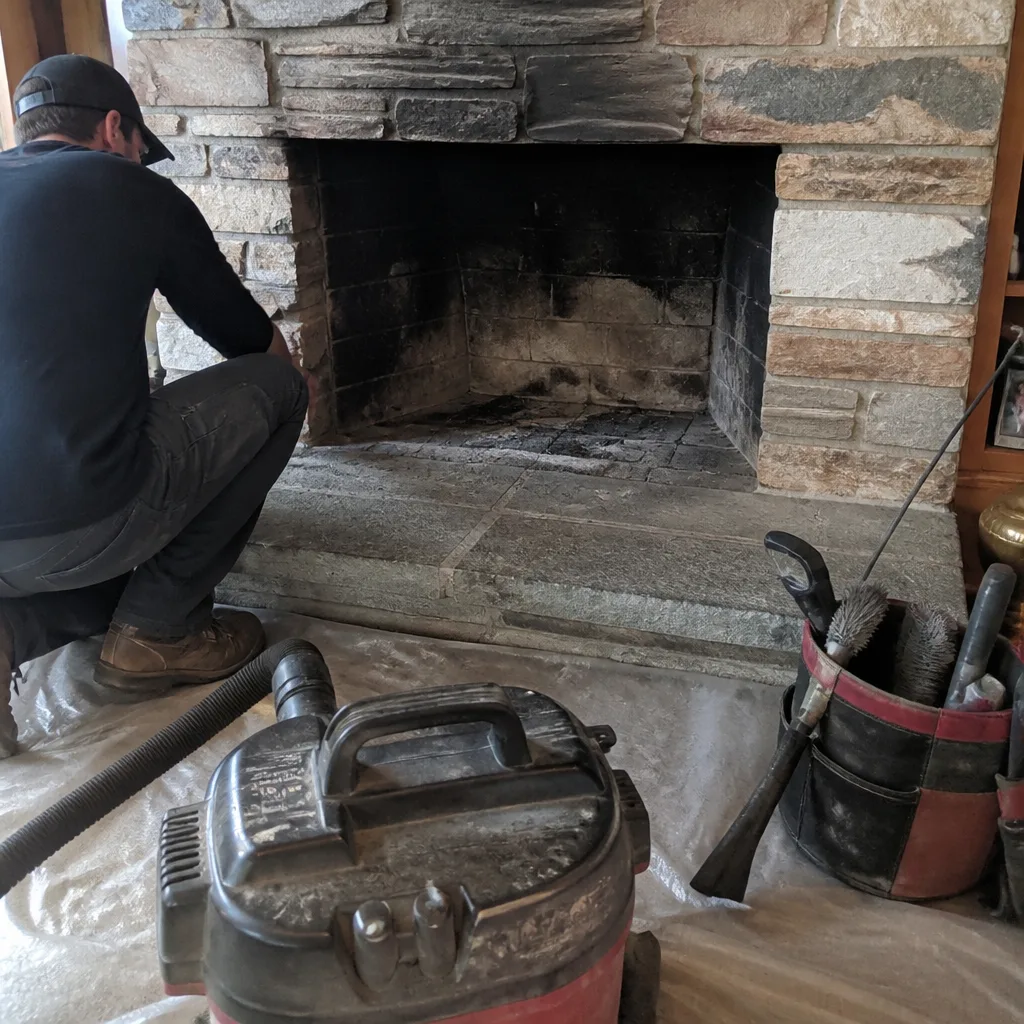
- Lay drop cloths and set up containment. The work area around the hearth gets covered, and a vacuum with a HEPA filter goes in early.
- Inspect the firebox and damper first. Before any brushing, the technician checks the firebox for cracks, the damper for operation and the smoke shelf for debris.
- Run a camera down the flue. This is where you find out what you’re dealing with: smooth soot, flaky creosote or the glazed Stage 3 material that a brush won’t remove.
- Sweep from the top down. The technician works the flue from the roof with the proper brush for the liner type, so creosote falls into the firebox rather than into the room.
- Brush the smoke chamber and shelf. This is the area above the damper that most quick sweeps skip. It’s a heavy creosote trap.
- Clean out the firebox and vacuum the flue. The debris is removed and the system is vacuumed down.
- Re-inspect and photograph. A second camera pass confirms the flue is clean and documents the condition of the liner and joints.
- Review the roof-level components. Cap, crown, flashing and the top of the flue get checked while the technician is still up there.
The reason this sequence matters: each step catches something the previous one can’t. A camera run before the sweep finds the creosote stage; a camera run after finds the liner. Skip either and you’re guessing. In Lakewood, with its faster creosote formation, that guess carries more weight than it would elsewhere.
You can read more about what a full chimney sweep visit covers if you want the service-level detail.
Reading Creosote Stages
Creosote forms in stages, and the stage determines what the cleaning actually involves. Knowing the stages helps you understand what your sweep is telling you.
- Stage 1: soot and light flaky creosote. This is the dust and soft flake that a standard brush removes easily. It’s the normal residue of a well-run fire.
- Stage 2: hardened, crusty creosote. This sticks to the flue walls and takes more aggressive brushing. In Lakewood, altitude-related smoldering pushes fires into Stage 2 sooner than lower-elevation homes typically see.
- Stage 3: glazed, shiny creosote. This is the hardened, tar-like coating that a brush alone won’t touch. It’s the stage that reduces venting efficiency and raises fire risk most sharply.
Stage 3 is where a lot of Lakewood homeowners get stuck. The brush comes down, the sweep tells them the flue “cleaned up fine,” and the glazed layer stays where it was. Proper handling of Stage 3 sometimes requires more than mechanical brushing, and in some cases the liner itself is compromised enough that resurfacing with HeatShield becomes the better answer than a full reline. That’s a call an inspection makes, not a brush.
Here’s the honest caveat: creosote is flammable, and Stage 2 and Stage 3 buildup is the fuel behind a chimney fire. We’re not trying to scare anyone, but this is exactly why a visual check from the fireplace isn’t enough and why a camera inspection is part of the job. If a sweep tells you the creosote is glazed, take that seriously.
Firewood Species and Sweeping Frequency
What you burn changes how often you need to sweep. In Lakewood, pine and spruce are common and convenient, but they’re not the same as hardwood. Softwoods like pine and spruce ignite quickly, burn hot on the surface, and then die down fast. That fast, hot, short burn produces more creosote per cord than a slower-burning hardwood like oak or maple.
This doesn’t mean pine is a bad choice. It means the cleaning schedule needs to reflect it.
- Pine and spruce produce more creosote and demand more frequent sweeping than hardwood-burning homes. If pine is your primary fuel, don’t stretch past a season.
- Seasoned hardwood burns cleaner and leaves less residue, but even hardwood in Lakewood benefits from an annual check.
- Green or unseasoned wood is the worst offender. It burns cool, smolders, and dumps moisture and creosote into the flue at the same time.
- Mixed loads (pine to start, hardwood to hold) are common and reasonable, but they don’t reduce the cleaning need.
The practical rule: if you burn pine or spruce as your main fuel, plan on a sweep every season, plus an inspection. If you burn hardwood and use the fireplace lightly, still get an inspection annually; the cleaning interval may stretch, but the inspection shouldn’t. The cap and crown and other roof-level parts don’t care what you burned; they degrade from weather and use.
You can read more about our chimney cap & crown work if you want to understand how the top of the system holds up.
How to Read Your Sweep’s Written Report
A written report is the difference between a real service and a brush-and-go. If you get nothing in writing, you have no record of what was found, no baseline for next year, and no way to verify a recommendation. Here’s what a useful report should show you.
- Before-and-after photos or video of the flue. The camera footage is the evidence. If you can’t see the flue, you’re taking someone’s word for it.
- Creosote stage found and location. Stage 1 vs. Stage 3 matters, and so does where it was concentrated.
- Liner condition. Cracks, gaps, separation, corrosion or missing sections should be noted, with a photo.
- Firebox, damper and smoke chamber condition. Each component gets a line.
- Cap, crown, flashing and exterior condition. Roof-level findings belong in the report, not just in a verbal comment.
- Recommendations, tied to the evidence. “Liner needs resurfacing” should come with a photo of the liner. “Crown needs repair” should come with a photo of the crown.
What the absence of a report tells you: the visit was a cleaning, not a diagnosis. If a contractor won’t hand you documentation, or hands you a one-line invoice, they haven’t given you anything to act on. That’s the signal to ask for more or to call someone else. You shouldn’t have to take a recommendation on faith, and a real report shows you exactly what’s wrong inside your own chimney.
Our team works hard to make sure every recommendation ties back to a photo you can see yourself. We inspect before we recommend.
Your Chimney System, Not Just Your Flue
It’s easy to think of chimney care as flue care, but the flue is one part of a system. The firebox, damper, smoke chamber, liner, cap, crown and flashing all work together, and a cleaning that only addresses the flue leaves the rest of it unexamined. That’s why we think of the job as whole-system work.
The components break down like this:
- Firebox and damper handle the fire and control the draft. Cracks in the firebox are a common find and need repair, not just cleaning.
- Smoke chamber is above the damper and a heavy creosote trap. It’s where a lot of Stage 2 and Stage 3 buildup lives.
- Flue liner carries the smoke up and out. It’s the part that most directly affects safety, and it’s where relining materials like DuraFlex come in when the liner is compromised.
- Cap and crown keep water, animals and debris out of the flue and protect the top of the structure.
- Flashing seals the chimney where it meets the roof, and a failure there shows up as water inside the chimney, not just on the ceiling.
Full-system work means you get inspection, cleaning, cap and crown, fireplace repair and structural repair from the same relationship. You don’t want to get a cleaning from one company, find out the crown needs work, and then start searching for a roofer or mason to handle it. One provider, one report, one set of recommendations. That’s the model we work in.
Fireplace problems often surface during a cleaning visit, so fireplace repair is frequently the next step after the flue is clear.
Common Mistakes to Avoid
We see the same handful of mistakes across Lakewood homes. Here’s what to avoid, and why each one costs you.
- Treating the cleaning as the whole job. A sweep without a camera inspection is half a service. The cleaning finds the creosote; the inspection finds the cracked liner or failing crown.
- Stretching the interval to every other year. If you burn pine and use the fireplace regularly, an annual sweep is the safe baseline in Lakewood. Skipping a season lets Stage 2 creosote harden into Stage 3.
- Burning unseasoned wood to save time. Green wood burns cool and produces more creosote. Season the wood or accept a shorter cleaning interval.
- Ignoring the cap and crown until there’s a leak. A cracked crown is a slow problem, not a sudden one. Catch it during the sweep.
- Accepting a verbal “all good” with no documentation. If there’s no written report and no photo, there’s no evidence. Ask for it.
- Hiring a sweep who doesn’t work on the repair side. A sweep-only company can tell you the liner is bad, but they can’t fix it. You end up hiring twice.
- Assuming a gas fireplace needs no service. Gas fireplaces have venting and component wear too. They need inspection, not a sweep in the same sense, but the check still matters.
See the difference
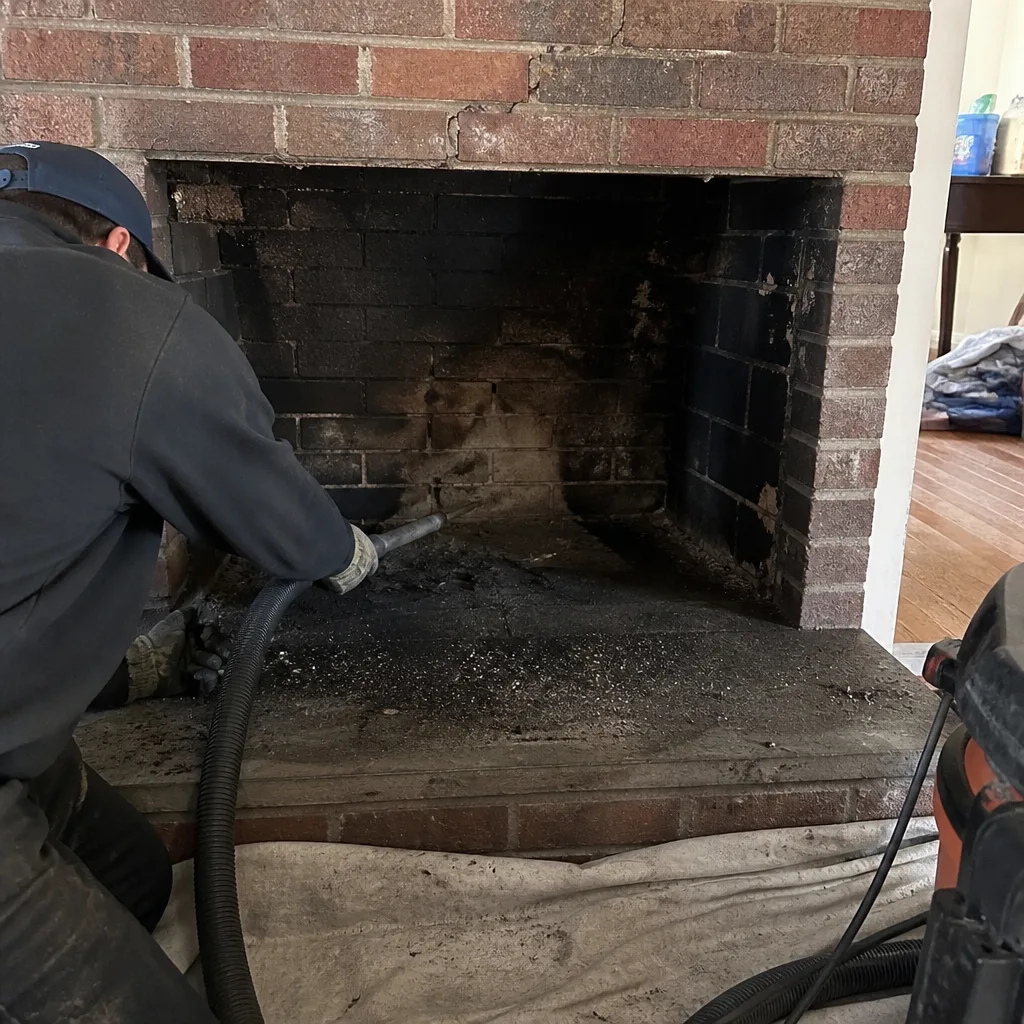 Before
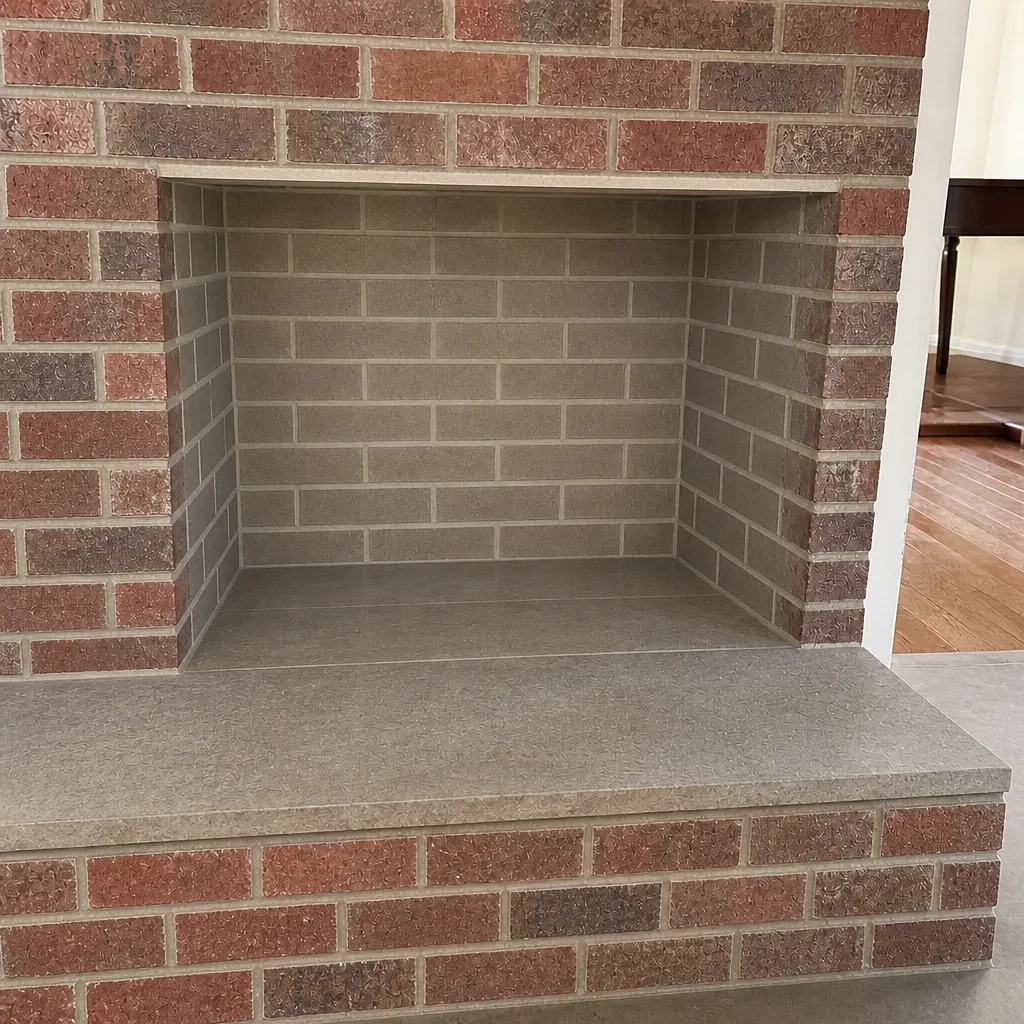 After
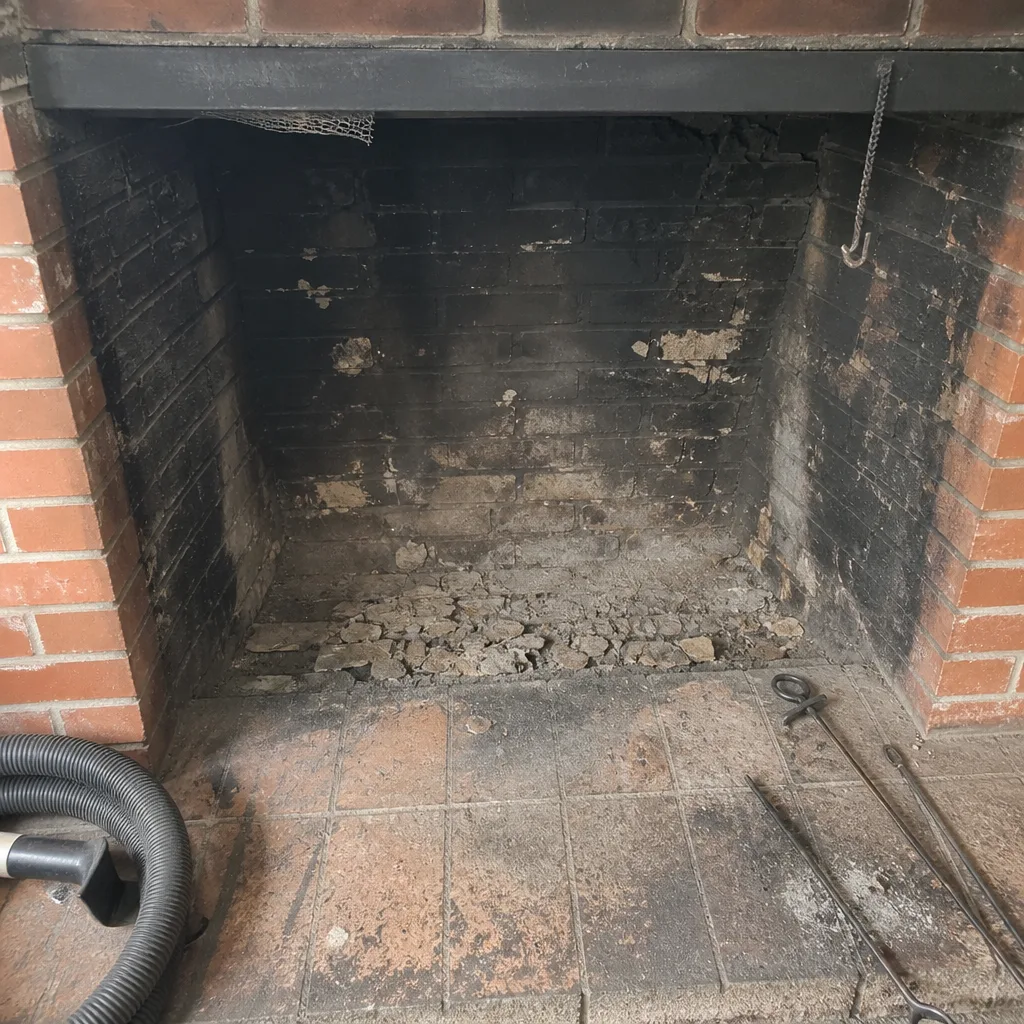 Before
 After
 Before
 After
When to Call a Professional
Some chimney work is straightforward cleaning, and some of it needs a trained eye. You should call a professional if:
- You burn wood regularly and haven’t had the chimney cleaned in over a year.
- You smell a smoky or acrid odor in the house, especially on warm days, which can signal a draft problem or accumulated creosote.
- You see glazed, shiny creosote on the flue walls through the damper, or heavy flake falling into the firebox.
- The fire smokes into the room instead of drawing up the flue.
- You notice water stains near the chimney, on the ceiling, or inside the firebox, which may point to a failed crown or flashing.
- You’ve had a chimney fire, even a small one. A chimney fire can crack the liner, and only an inspection finds it.
One safety note: creosote at Stage 2 and Stage 3 is genuinely dangerous, and so is a compromised liner. A cracked or missing liner can let smoke and carbon monoxide into the home instead of up the flue. That’s the reason to call a professional rather than attempt a flue cleaning yourself with borrowed equipment. The work involves height, tools and a trained eye for what the flue looks like on the inside. Do the straightforward things yourself, like keeping the firebox clear and burning seasoned wood, but leave the flue to a technician.
Lakewood Chimney Sweep Experts offers free estimates in Lakewood, and our technicians have up to 9 years of experience. Call (855) 964-4542 and we’ll get a proper inspection on the calendar.
Frequently Asked Questions
Chimney cleaning costs in Lakewood vary by job, and the price is set per job by a written estimate after we’ve looked at the system. It depends on the creosote stage, the flue configuration, whether a camera inspection is included, and whether repairs are needed. Call (855) 964-4542 for an exact quote; estimates are free.
For regular wood burners, plan on an annual sweep plus an inspection. Because Lakewood sits at 5,430 feet and many homes burn pine and spruce, creosote accumulates faster than lower-elevation guidance assumes, so annual is the safe baseline rather than stretching to every other year. Call (855) 964-4542 to book yours.
At 5,430 feet there’s less oxygen in each cubic foot of air, so fires tend to ignite slower and burn cooler at the start. That incomplete combustion produces more creosote per burn than a fire at sea level. Add the Front Range temperature swings and the creosote condenses on the flue faster. The result is that Lakewood homes may need a shorter cleaning interval than the generic annual advice written for lower-elevation homes.
Many compromised liners can be resurfaced rather than fully replaced. HeatShield is a resurfacing system applied by trained applicators, and for the right kind of liner deterioration it can restore the flue without a full reline. When resurfacing isn’t appropriate, a DuraFlex liner system is the reline option. The decision comes from camera evidence of the liner’s actual condition, and you should see that footage before you commit. Call (855) 964-4542 for an inspection first.
Basic maintenance like keeping the firebox clear and burning seasoned wood is fine to do yourself, but flue cleaning isn’t a homeowner job. The creosote at Stage 2 and Stage 3 is flammable and the flue is hard to reach and assess from below. A professional cleaning includes the camera inspection that finds liner cracks you’d never see from the fireplace. Call (855) 964-4542 to schedule a proper cleaning.
Stage 1 creosote hardens into Stage 2, then into glazed Stage 3, which a brush alone won’t remove. Glazed creosote is the fuel behind chimney fires, and undetected liner cracks let smoke and carbon monoxide into the home instead of up the flue. Skipping also means the cap, crown and flashing go unchecked, which is how slow water damage starts. Call (855) 964-4542 to get back on schedule.
The Bottom Line
Chimney cleaning in Lakewood isn’t a brush run. At 5,430 feet and with pine-heavy firewood, creosote builds faster here, which makes annual cleaning plus camera inspection the baseline for any regular wood burner. A cleaning removes the hazard; an inspection finds the liner cracks, crown failures and venting problems a cleaning can’t. Insist on a written report with photos, ask for the repairs to be handled by the same provider, and know that when the flue is badly glazed or the liner has deteriorated, resurfacing with HeatShield or relining with DuraFlex is sometimes the right call rather than a repeated brush. One call covers it: sweep, inspect, repair, protect. Call (855) 964-4542 for a free estimate.
Our technicians have up to 9 years of experience, and we answer 24/7. Fast dispatch from 7am to 7pm, Sunday through Friday, closed Saturday. See our Lakewood Chimney Sweep Experts home page for the full service list, and we’ll build a plan that lasts the season and the next one.
Written by the team at Lakewood Chimney Sweep Experts.