
Last updated November 23, 2026
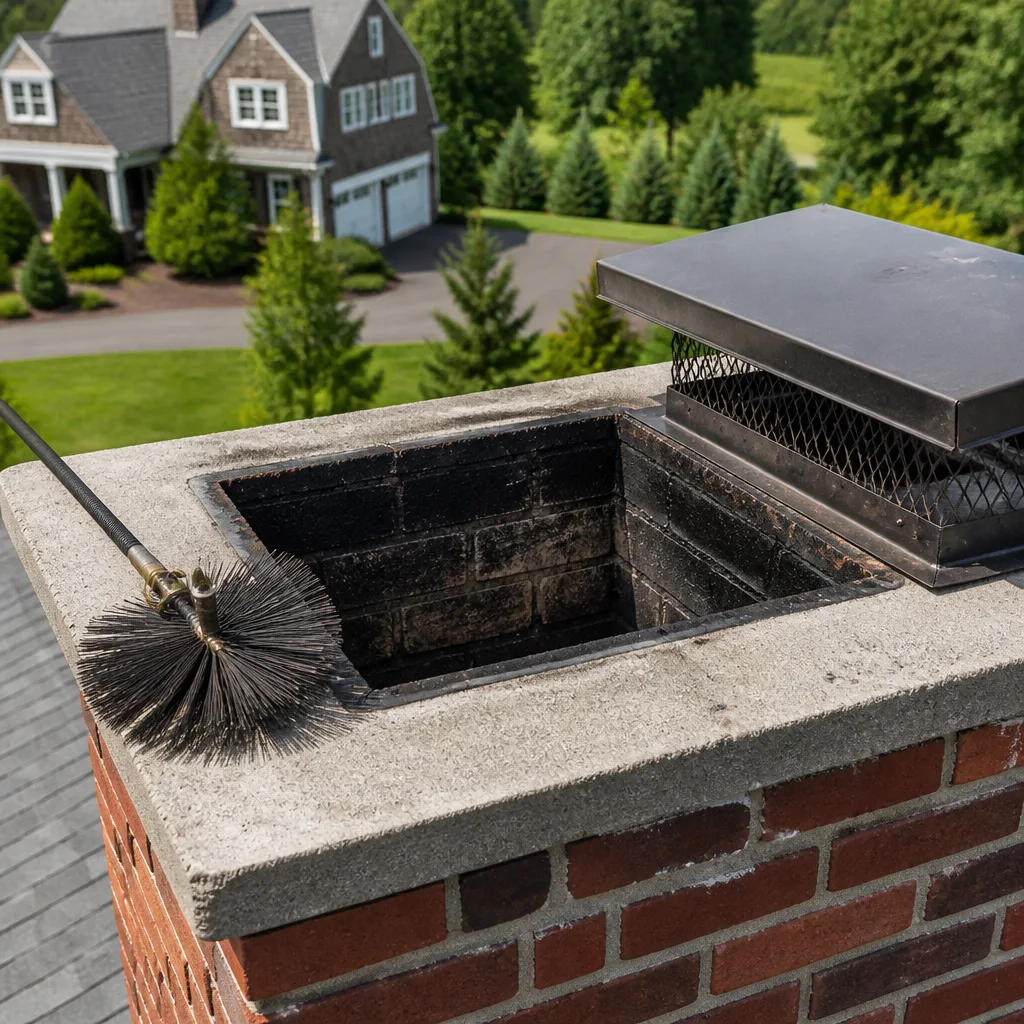 Sweep & inspection
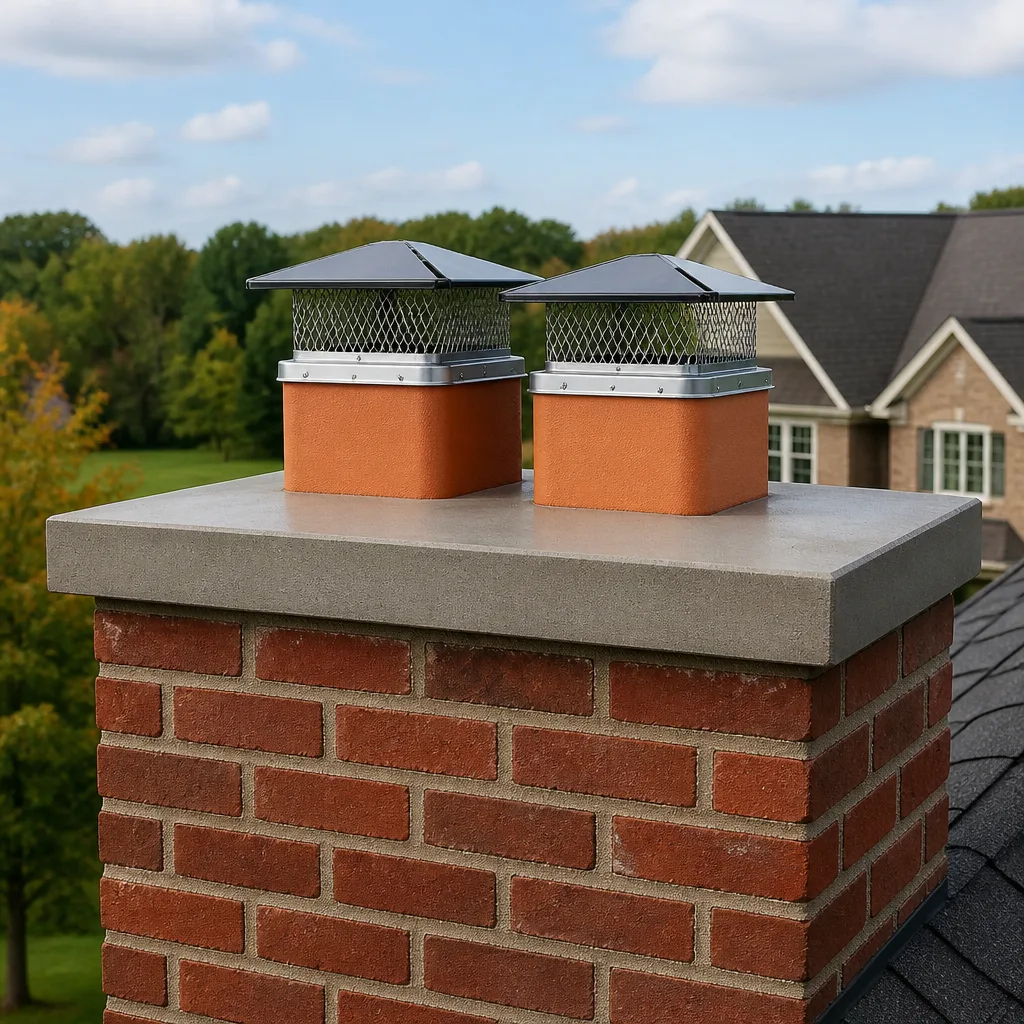 Caps & crowns
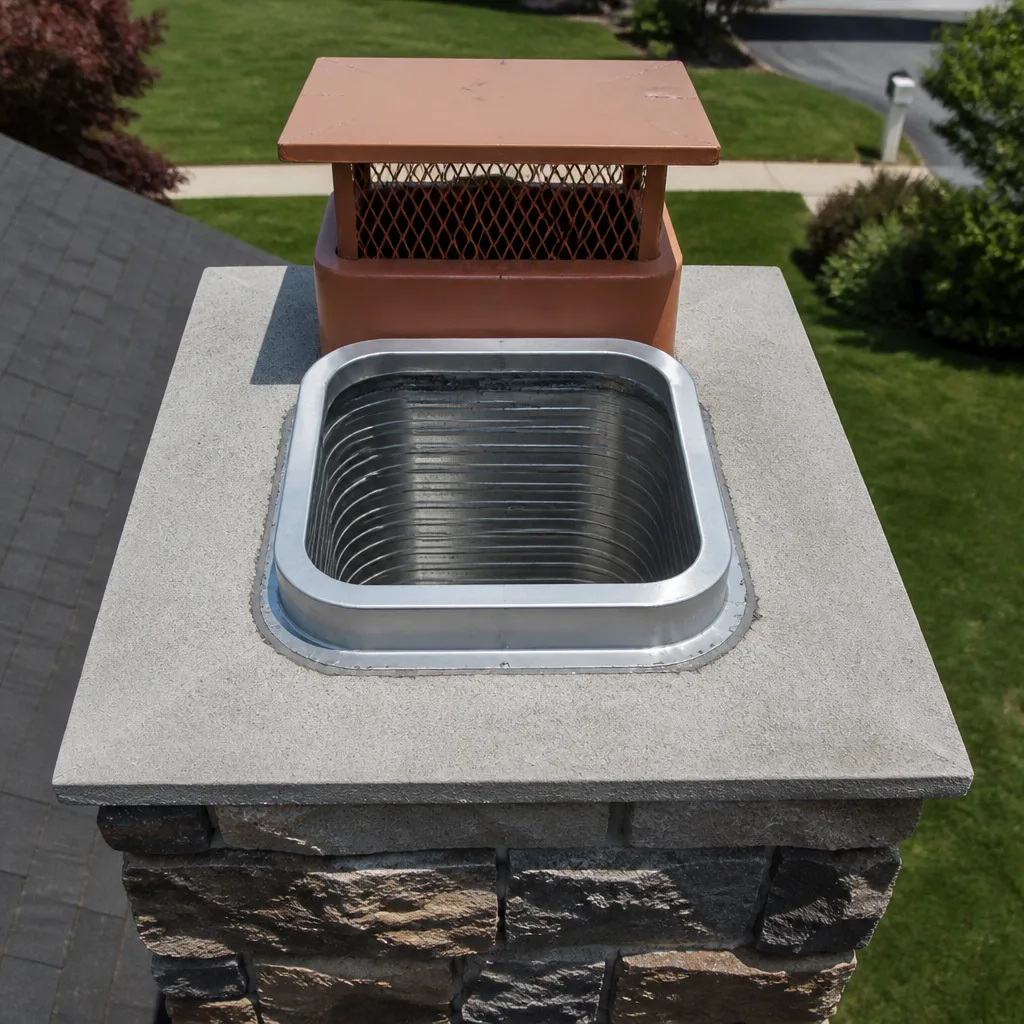 Flue relining
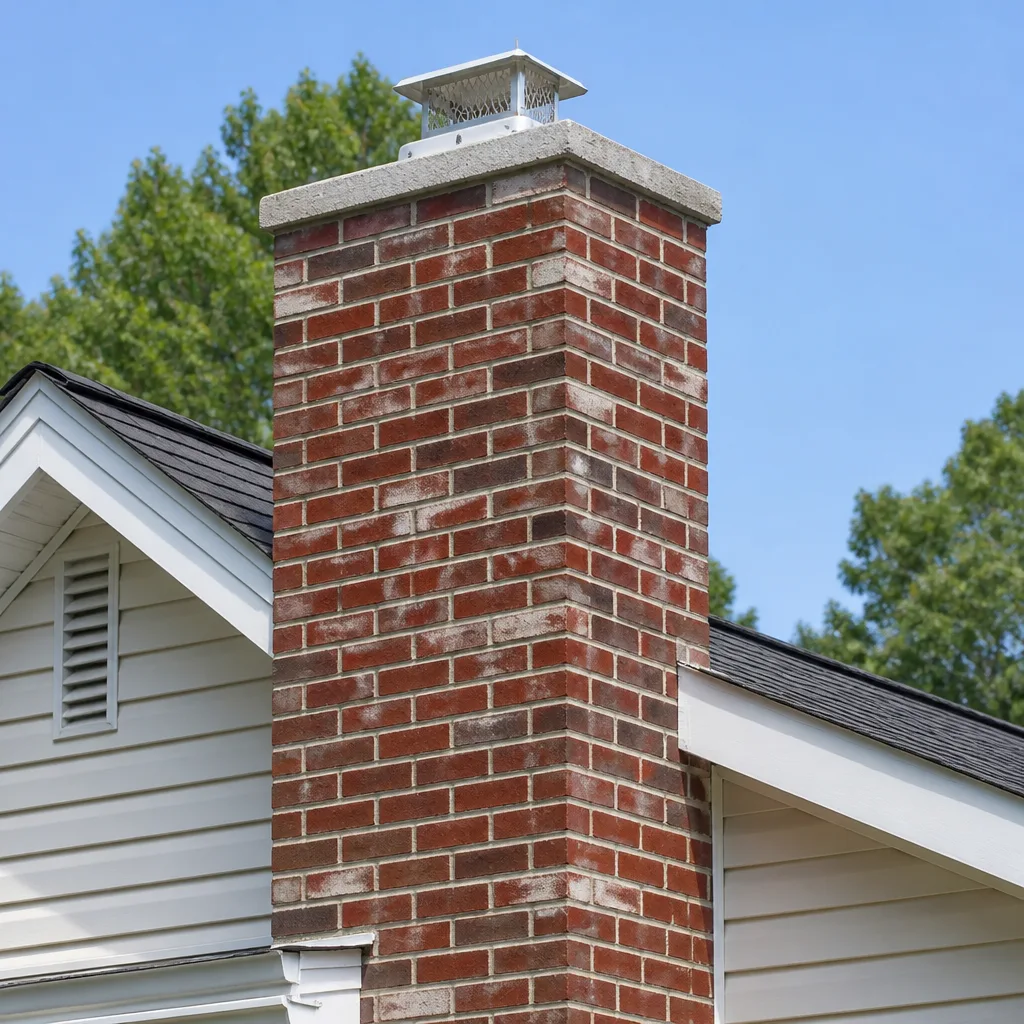 Masonry repair
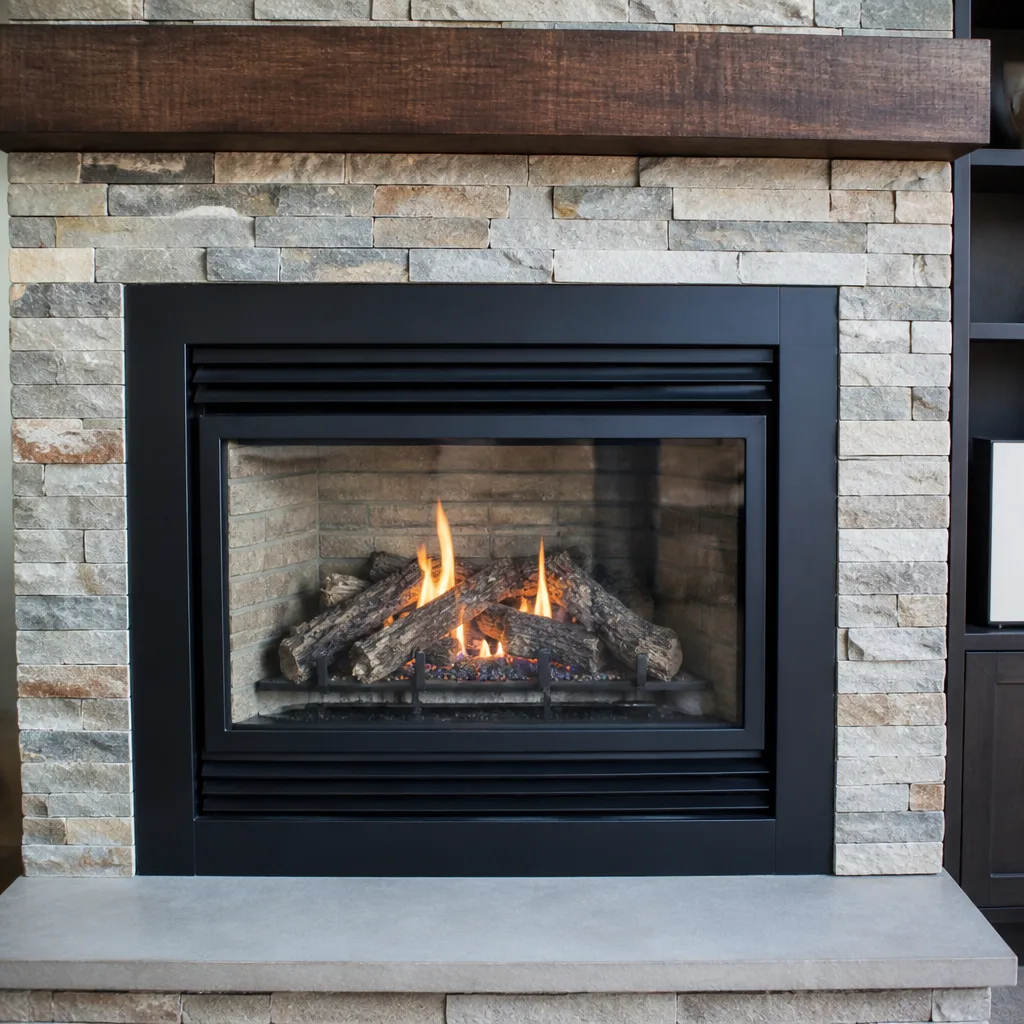 Gas fireplace service
Level 1 sweep and inspection to the NFPA 211 annual standard - flue, crown, cap, and flashing checked and photographed
Chimney sweep logs do not sweep chimneys. They loosen some creosote - which then falls where a brush and vacuum still have to collect it.
Chimney Cleaning Permits, Codes & Inspections in Lakewood, CO: What You Need to Know
Most Lakewood homeowners assume a chimney sweep is permit-free maintenance, and for routine sweeping they’re right. The problem starts the moment a repair, a liner replacement, or a new cap enters the picture. That’s when the work crosses a line most people never see, into territory governed by City of Lakewood and Jefferson County code, where documentation starts to matter as much as the work itself. This guide draws that line precisely. You’ll learn which chimney jobs need a permit, what the inspection levels actually mean, how air-quality rules tie into system condition, and the questions to ask any contractor before you let them touch your chimney in Lakewood.
Quick Answer
Routine chimney cleaning in Lakewood does not require a permit, but repairs, liner replacement, structural work, and new cap or crown installation generally do, and the work must follow the International Residential Code (including Section R1001 for masonry fireplaces) and NFPA 211. A Level II inspection is the document that connects the work to the code, and it’s what your insurer may ask for after a fire or a system change. When in doubt, call the City of Lakewood building department before work starts.
Styles & brands we work with
- Sweep & inspection
- Caps & crowns
- Flue relining
- Masonry repair
- Gas fireplace service
Table of Contents
- Where Cleaning Ends and Permitted Repair Begins
- What NFPA 211 and IRC R1001 Mean in Plain English
- The Three Inspection Levels and When Each One Applies
- Level II Inspections and Real Estate Transactions
- Questions to Ask Before You Sign Anything
- How Lakewood’s Air Quality Rules Interact With Chimney Condition
- Keeping Your Compliance Paper Trail
Where Cleaning Ends and Permitted Repair Begins
The dividing line is surprisingly simple in principle: work that restores your chimney to its original function is maintenance, and work that changes, replaces, or structurally alters a component is a repair. Sweeping removes creosote and blockages. A repair changes the physical system. Lakewood’s building department cares about the second category because a chimney is part of the home’s structure and venting, and venting failures are a life-safety issue, not a cosmetic one.
In practice, here’s how we sort the two categories for homeowners across Lakewood, whether the house is in Belmar, Eiber, Green Mountain, or the older blocks near Wadsworth where masonry chimneys are common:
Work that is normally maintenance (no permit)
- Routine sweeping of the flue to remove creosote and soot
- Removing a bird nest, leaves, or debris from the flue
- Checking the firebox, damper, and smoke chamber visually during a Level I inspection
- Replacing a spark screen or tightening a loose cap fastener on an existing cap
- Cleaning the glass or firebox on a gas insert as part of service
Work that usually requires a permit or documented compliance
- Installing a new chimney cap or rebuilding a damaged crown
- Relining the flue with a stainless liner (DuraFlex and Olympia Chimney systems are examples of what a proper reline involves)
- Resurfacing a deteriorating clay flue with HeatShield or a similar cast-in-place product
- Rebuilding masonry above the roofline or repairing separated brickwork
- Replacing a firebox or altering the firebox dimensions
- Adding, moving, or replacing a wood stove, insert, or gas appliance flue connection
Here’s the wrinkle most people miss: even a task that feels small, like a new cap or a rebuilt crown, changes how the chimney vents and sheds water. That’s why our chimney cap & crown work is treated as a structural project, not an accessory install. If the job touches the structure, assume a permit conversation is coming.
What NFPA 211 and IRC R1001 Mean in Plain English
Two documents govern chimney work in Colorado, and both get referenced in contractors’ proposals without explanation. Here’s the translation.
NFPA 211 is the National Fire Protection Association’s standard for chimneys, fireplaces, vents, and solid fuel appliances. It’s the industry’s technical rulebook for how a chimney should be built, maintained, and inspected. When a contractor says “that doesn’t meet NFPA 211,” they’re saying the chimney has a defect that could allow heat, creosote, or gases where they don’t belong.
IRC Section R1001 is the International Residential Code’s chapter on masonry fireplaces. It addresses things like hearth thickness, firebox clearance, chimney height above the roof, and flue size relative to the fireplace opening. It’s the code the local building department adopts and enforces. When the City of Lakewood inspector signs off on a fireplace rebuild, R1001 is often the checklist.
For a homeowner, both documents boil down to four practical questions:
- Does the flue vent the appliance safely, with no cracks, gaps, or disconnected sections?
- Is the chimney tall enough and clear of the roof geometry, so smoke and gases escape instead of drafting back?
- Is the firebox, hearth, and surrounding framing built to withstand heat?
- Is there a cap and crown to keep water and animals out?
If a contractor can’t explain which of these a proposed repair addresses, that’s a red flag. In our experience, the honest answer is usually “let’s inspect first, then decide,” which is why we inspect before we recommend anything.
The Three Inspection Levels and When Each One Applies
The chimney industry uses a three-tier inspection framework, and knowing which level you need is the single most useful thing a Lakewood homeowner can take from this guide. Here’s how each level works and when it applies.
Level I – Basic visual. Checks the readily accessible portions of the chimney, firebox, and appliance connection, using a flashlight and basic tools. Appropriate for a routine annual check when the system hasn’t changed and there are no known problems.
Level II – Full inspection. Adds video camera scanning of the entire flue interior, plus accessible portions of the attic and crawl space. This is the inspection required when a property is sold, after a chimney fire or other event, after an earthquake or significant settling, or when the appliance or fuel type changes (for example, switching from wood to gas).
Level III – Invasive. Involves opening walls, ceilings, or the chimney itself to inspect concealed areas. Used when a Level II reveals a defect that can’t be diagnosed without access, or when a hidden problem is suspected.
Which inspection does a Lakewood homeowner actually need?
- Yearly maintenance: Level I, plus a sweep if there’s more than a light creosote buildup.
- Buying or selling a Lakewood home: Level II, full stop. Most lenders and many insurers expect it.
- After a chimney fire or an appliance swap: Level II.
- Persistent draft or odor problems: Level II with camera, then Level III if the camera shows something ambiguous.
- Annual maintenance on a gas fireplace: Level I is usually sufficient, but ask for a full inspection if the unit has never been scoped.
If you’re not sure which applies, a chimney sweep visit is the simplest way to start. Our technicians have up to 9 years of experience and can tell you on-site whether a Level I is enough or you need to step up to a Level II.
Level II Inspections and Real Estate Transactions
A Level II inspection is the compliance document that connects a chimney’s condition to the code requirements, which is why it’s the standard for real estate transactions in Lakewood. When a home sells, the buyer’s lender and insurer typically want proof the chimney is safe to use. A Level II inspection with a written report and photo or video evidence is that proof.
The inspection itself covers:
- The full length of the flue, scanned with a chimney camera
- The firebox, damper, smoke shelf, and smoke chamber
- The chimney exterior, including the crown, cap, and flashing
- Accessible portions of the attic and crawl space for clearances
- Any appliance connections, including gas appliance venting
What the report should contain: a clear description of each defect, its severity, and whether it affects safe operation. If a reline is recommended, the report should show the reason (cracked flue tiles, gaps, spalling), not just a dollar figure. We work with HeatShield liner resurfacing and DuraFlex and Olympia Chimney liner systems, so when we recommend a reline, the proposal explains why a full liner is the right answer versus a resurface – and we can show you the video evidence on the spot.
Red flag to watch for at closing: a “chimney inspection” that turns out to be a Level I visual glance. If the report doesn’t include video or photo documentation, it’s not a Level II, and your insurer may not accept it as proof of condition after a fire or system change.
Questions to Ask Before You Sign Anything
The permit-pull question trips up more Lakewood homeowners than any other part of this process. Contractors sometimes say “we’ll pull the permit” and then don’t, or they assume the homeowner will. The result is work that passes visual inspection but has no paper trail behind it – and if a fire happens later, that missing documentation can complicate an insurance claim.
Ask these questions before you book any chimney repair in Lakewood:
- “Who pulls the permit for this job?” The answer should be specific. A licensed contractor usually pulls it in their name; if the homeowner pulls it, you carry the risk if the work is wrong.
- “Will the permit and final inspection be included in the written estimate?” Permit fees and inspection scheduling should be spelled out, not added later as a surprise line item.
- “What inspection level does this job require, and will you document it?” For a reline or crown rebuild, a Level II with camera evidence should be part of the package.
- “Will you give me a copy of the final inspection sign-off?” If the answer is vague, that’s a signal.
- “What happens if the work fails inspection?” A contractor who pulls the permit takes on the correction work; a contractor who doesn’t may not.
Verbal assurances aren’t enough. Ask for the permit number and the inspection result in writing. That document is what protects you if a claim ever arises, and it’s the clearest evidence that the Lakewood Chimney Sweep Experts standard of “professional-grade materials, properly installed” is more than a slogan.
How Lakewood’s Air Quality Rules Interact With Chimney Condition
Lakewood sits in the Denver metro area, which operates under Regional Air Quality Council (RAQC) wood-burning curtailment rules. On certain days, the RAQC issues a “no-burn” declaration when conditions trap smoke near the ground. Those rules apply to older, non-certified wood appliances and to visible smoke emissions, and on curtailment days you may be restricted from using your fireplace or wood stove.
Here’s the connection that doesn’t get stated often enough: a poorly functioning chimney is more likely to produce visible smoke, and visible smoke is what the curtailment rules focus on. A chimney with a partially blocked flue, a damaged crown, or an undersized liner drafts poorly, sends more smoke into the neighborhood, and on a no-burn day may put you in a position to be noticed. A cleaned, properly drafted chimney burns cleaner, which means it’s less likely to be a problem on a curtailment day.
What that means for Lakewood homeowners:
- Get the system inspected before the heating season, when curtailment days are more frequent.
- Fix drafting problems (damaged crown, insufficient height, blocked flue) rather than working around them.
- If your wood stove or fireplace insert is older and non-certified, ask about the appliance age and condition during inspection.
- Keep the chimney cap in good condition; a missing cap lets in debris that affects draft.
Air quality rules aren’t a reason to skip the fireplace, they’re a reason to keep the system clean and correctly vented. Our fireplace repair service often begins with a draft complaint that traces back to a blocked or damaged flue, not a problem with the fireplace itself.
Keeping Your Compliance Paper Trail
If a chimney fire occurs after a liner repair that was never permitted, your homeowner’s insurance claim can be denied – not because the work was done poorly, but because it was done without documentation the insurer required. That’s the liability risk this whole guide is about. And it’s avoidable with a simple filing habit.
Build a chimney file, either physical or digital, and keep it in the same place as your home’s other records. It should contain:
- The permit and final inspection sign-off for any repair, reline, crown rebuild, or appliance change.
- The Level II inspection report, including photos or video stills, from the last inspection.
- Receipts for any materials or work done, especially liner or resurfacing work (HeatShield, Gelco, DuraFlex, Olympia Chimney products show up on the invoice).
- Annual sweep and Level I records, which establish that the system was maintained.
- Any appliance documentation, including serial numbers and installation dates for wood stoves, inserts, or gas fireplaces.
The file does three things: it makes future inspections faster, it supports an insurance claim if you ever need one, and it helps a buyer’s inspector see that the chimney has been cared for. If you sold your home tomorrow, that folder is what would separate a smooth closing from a negotiation. When the work is done by our team, we hand over the documentation as part of the job – our all-service approach means you don’t have to chase down a separate inspector or contractor to get the paperwork.
Common Mistakes to Avoid
- Assuming a visual check at a home inspection counts as a chimney inspection. It’s usually a Level I at best. If the chimney has never been scoped, ask for a Level II before you close on a Lakewood home.
- Letting a contractor start a reline or crown rebuild without confirming who pulls the permit. Get the answer in writing, along with the permit number and final inspection result.
- Using the phrase “sweep” interchangeably with “inspect.” A sweep removes debris; an inspection diagnoses the system. If a contractor only quoted a sweep when you asked about a draft problem, ask what they plan to inspect.
- Skipping the paperwork on a HeatShield or Gelco resurfacing job. Even if the product is applied correctly, future owners, inspectors, and insurers will want the record. Keep the invoice and spec sheet.
- Treating curtailment days as a maintenance reminder only. A poorly drafting chimney makes a curtailment problem worse. Fix the draft, not just the creosote.
- Assuming a rebuilt crown doesn’t need a permit. Structural masonry above the roofline usually does, and the crown is what keeps water out of the whole system.
- Waiting until the fireplace smells or smokes to call. By the time a smoke problem shows up, the flue has often been blocked or damaged for a while. An annual Level I is the cheapest diagnostic there is.
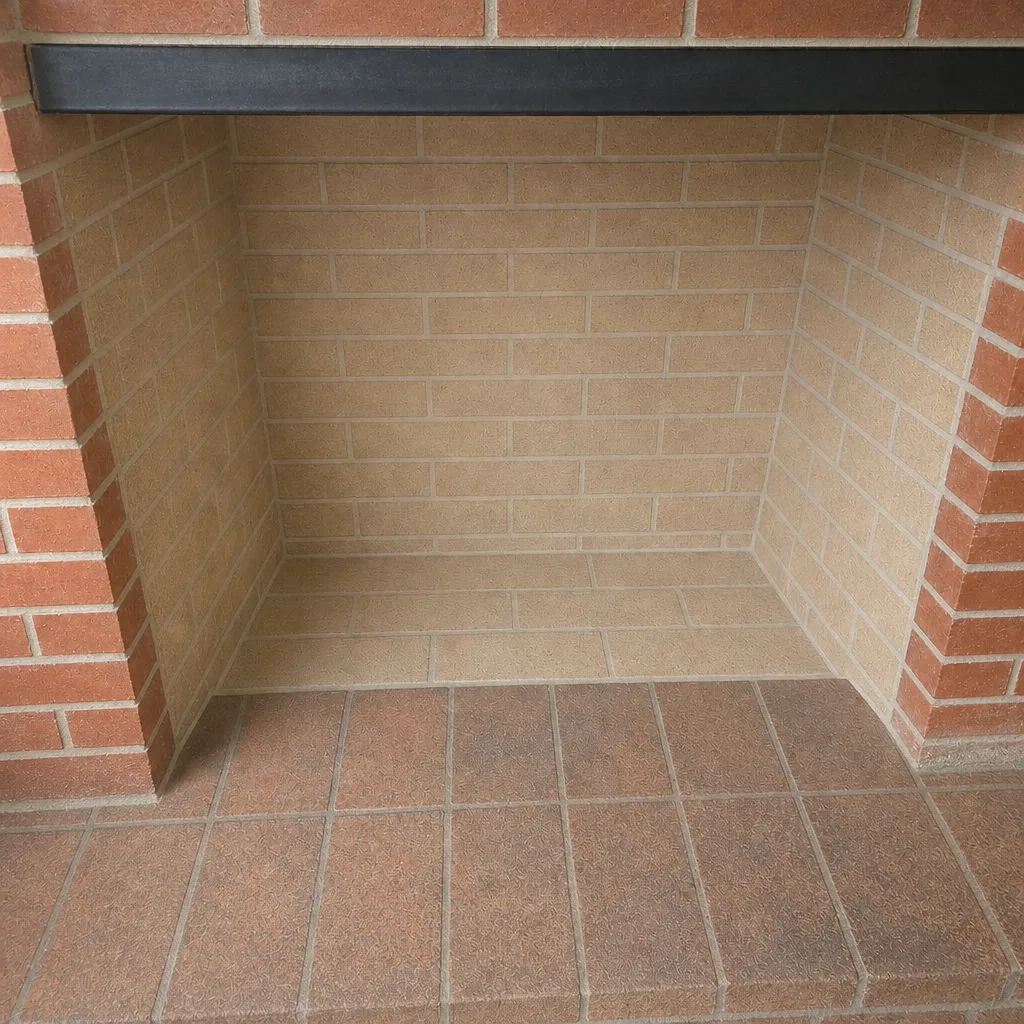
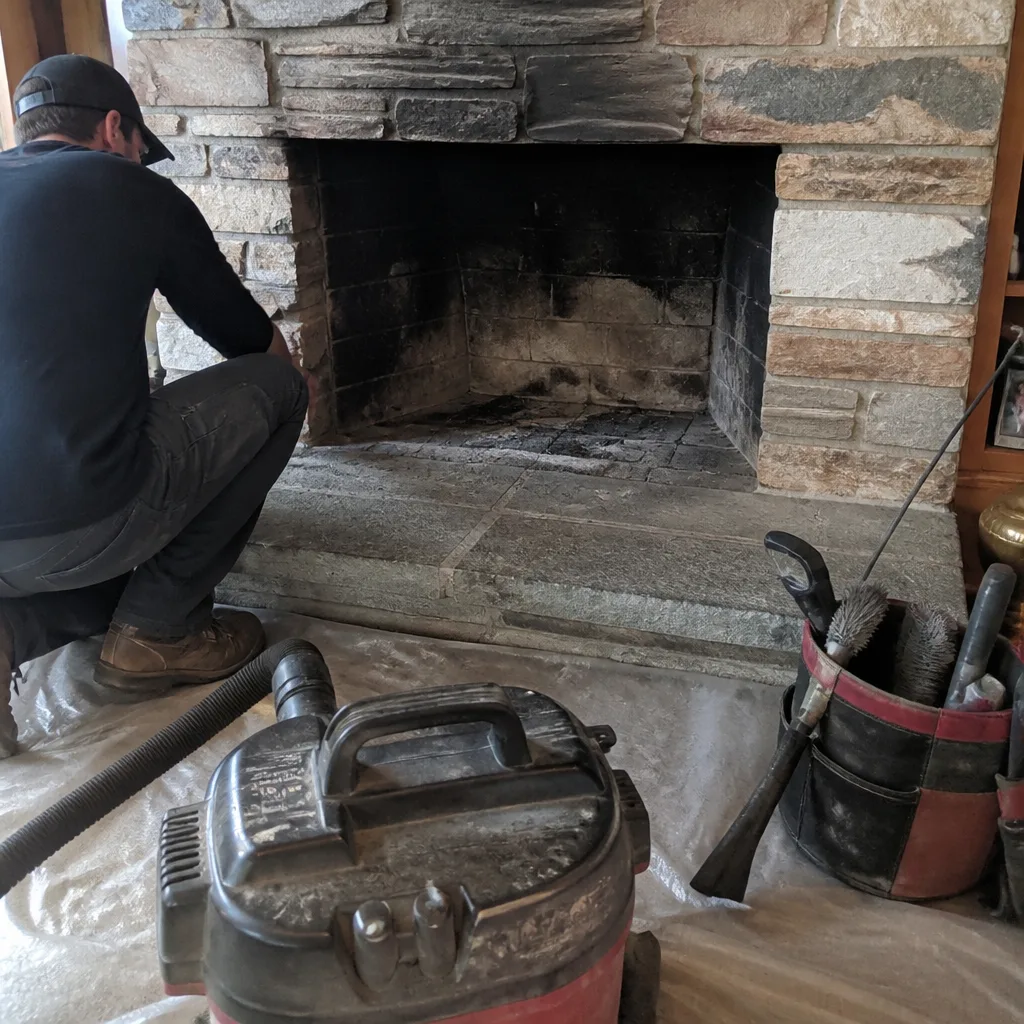
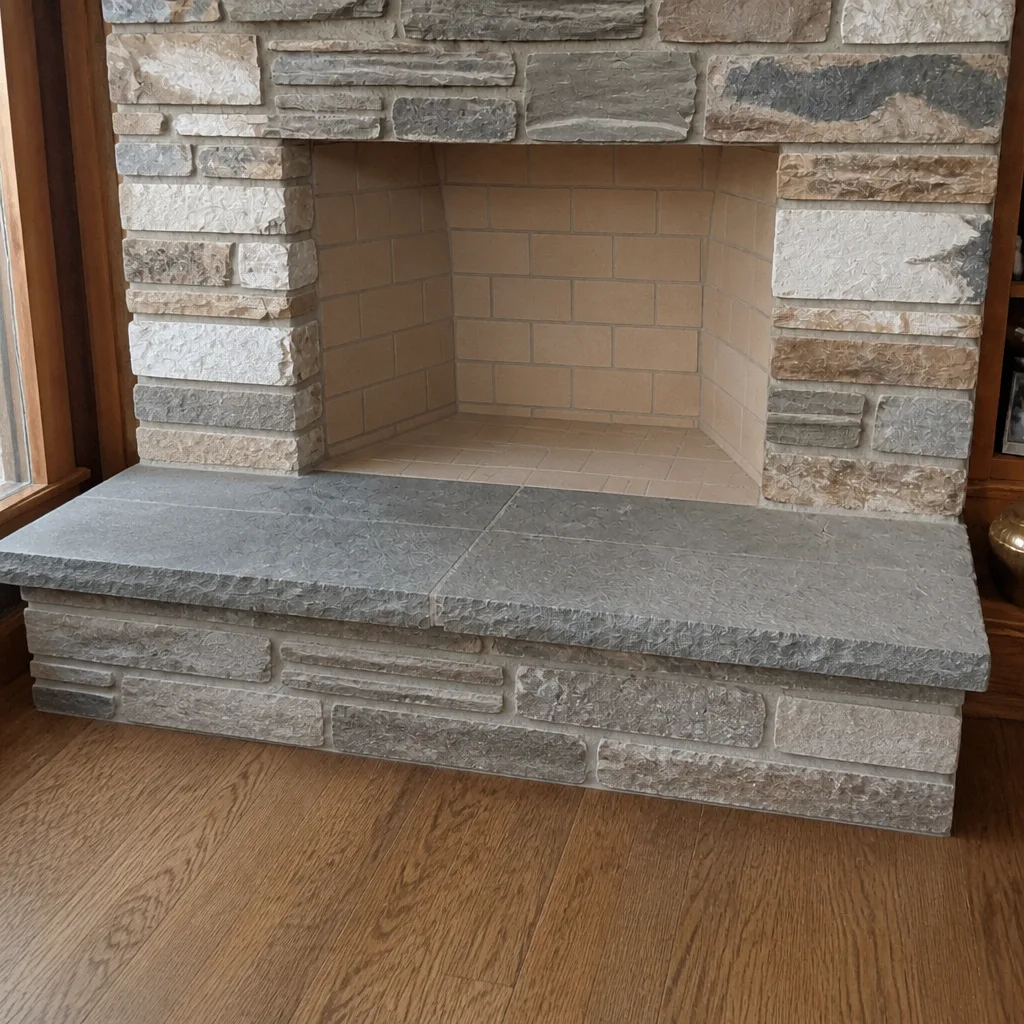
See the difference
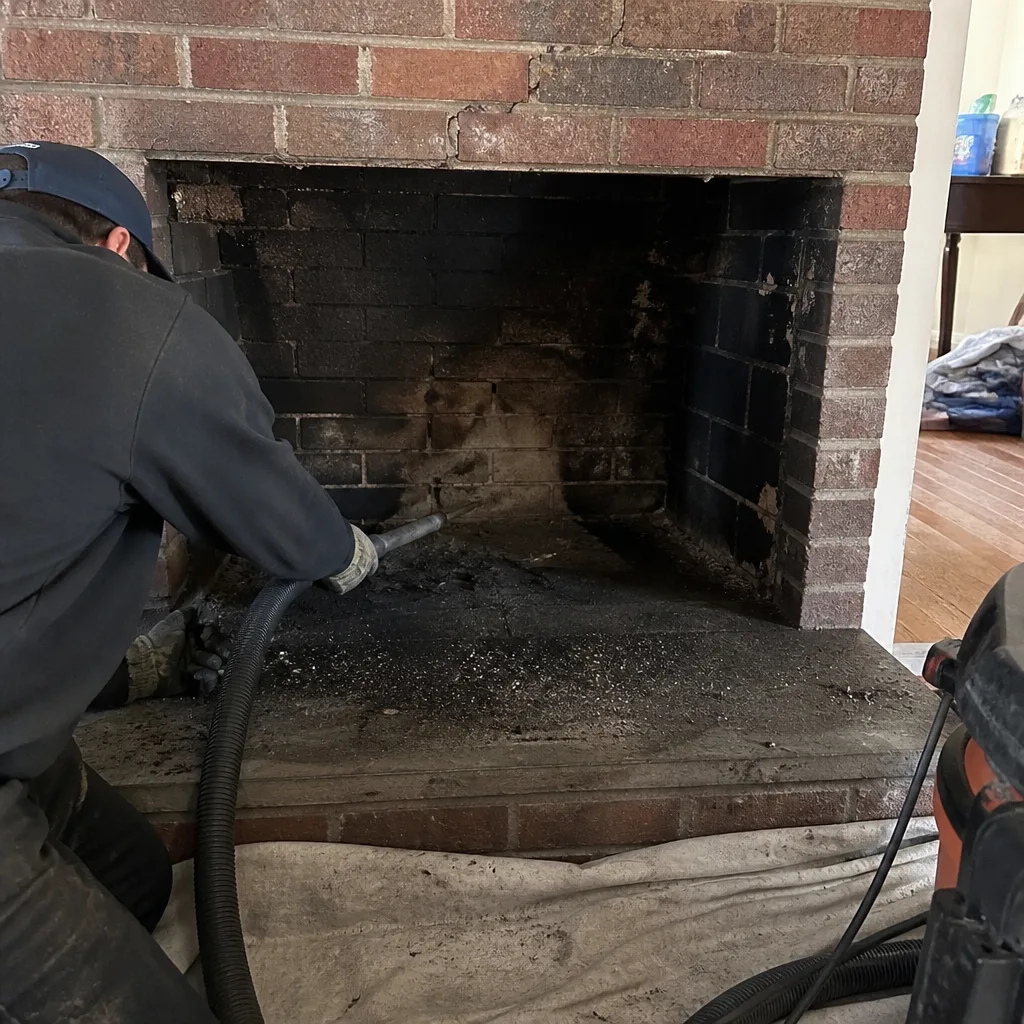 Before
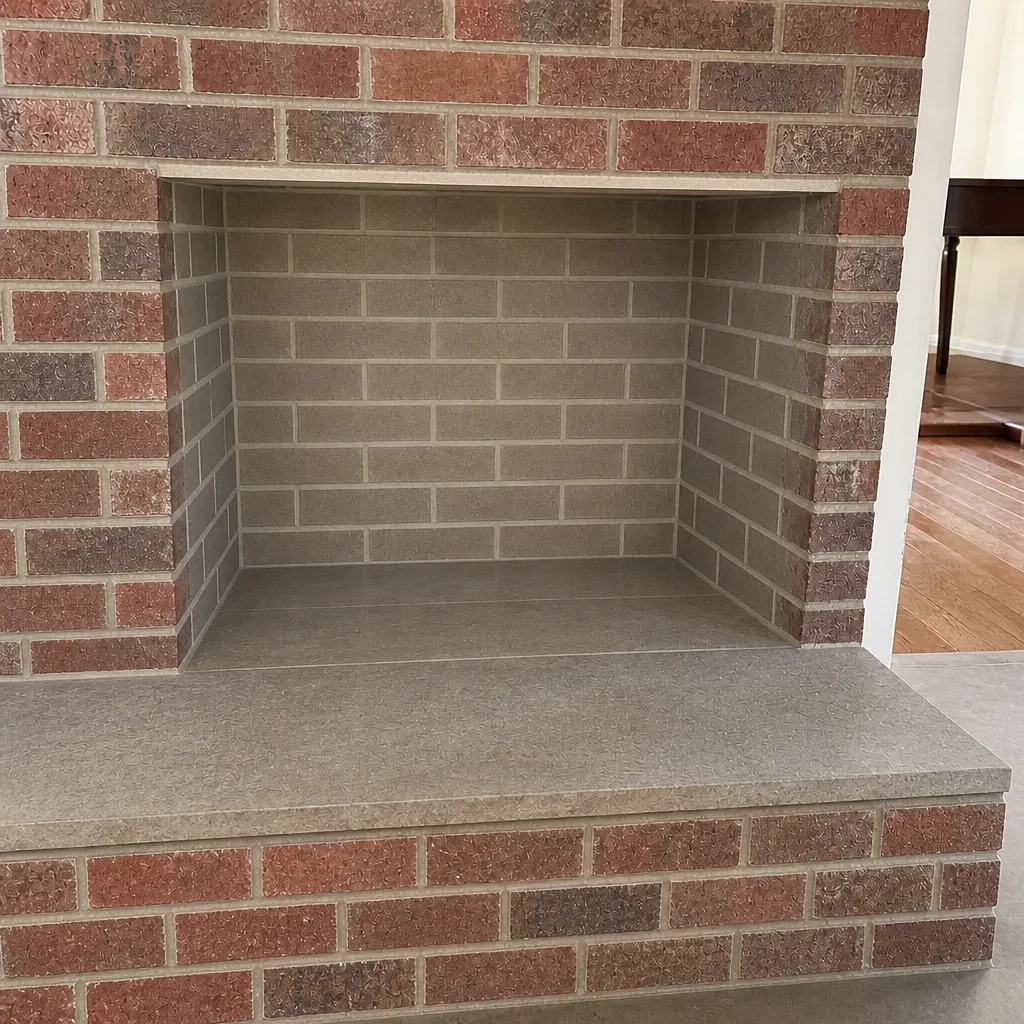 After
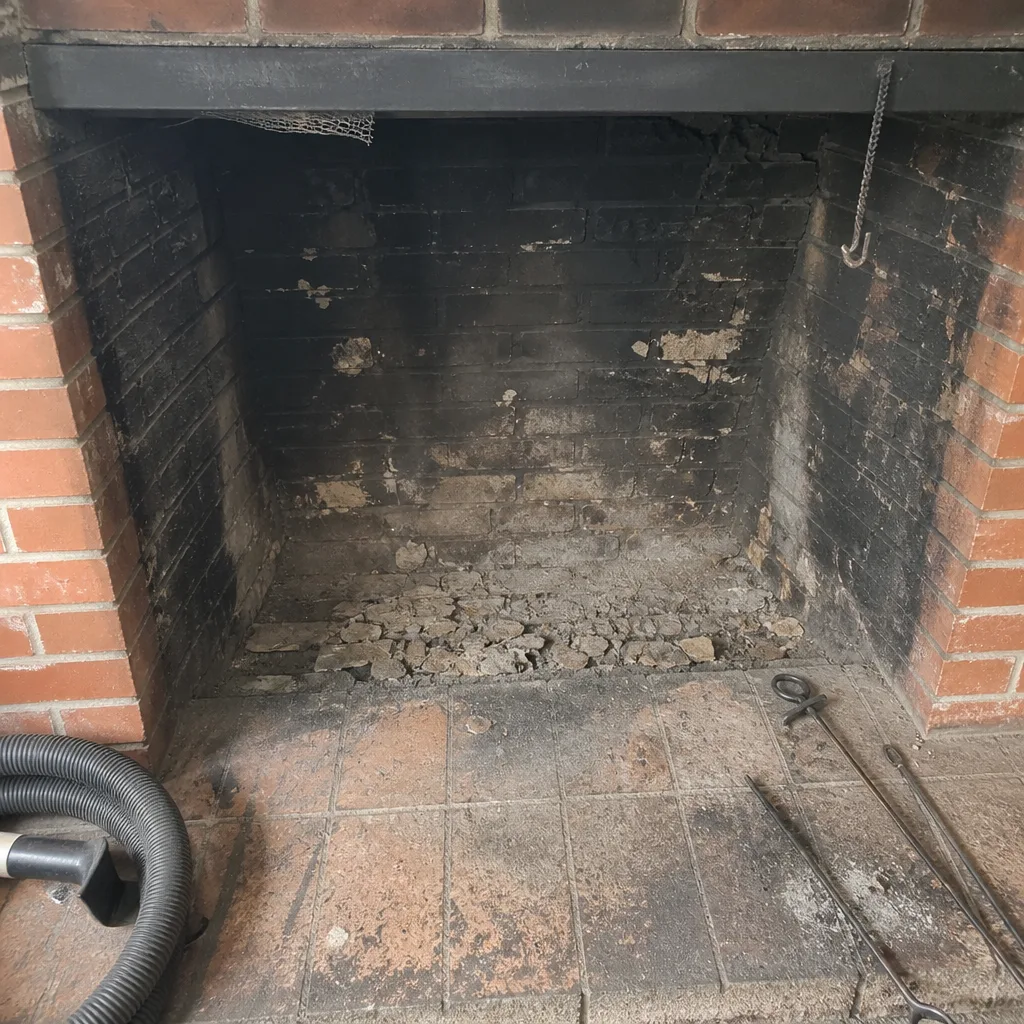 Before
 After
 Before
 After
When to Call a Professional
Some chimney work is safe for a homeowner to watch and none of it is safe for a homeowner to do on their own once the flue is involved. Call a professional when you see or smell smoke in the living space while the fireplace is running, when a sweep uncovers cracked or missing flue tiles, when the crown is cracked or the cap is missing, when you’re buying or selling a Lakewood home, when the appliance hasn’t been used in a season, or when a chimney fire has occurred. High-tension springs and cables, electrical panels, gas lines, and steep-roof work are all genuine hazards – we recommend a trained professional for anything that involves going on the roof or opening up the flue.
Lakewood Chimney Sweep Experts offers free estimates in Lakewood – call (855) 964-4542. Our technicians have up to 9 years of experience across the full system: sweep, inspection, cap and crown, fireplace repair, and structural work. Call (855) 964-4542. We answer 24/7. Fast dispatch from 7am to 7pm, Sunday through Friday.
Frequently Asked Questions
No. Routine chimney cleaning in Lakewood does not require a permit. A permit is normally needed only when the work becomes a repair or alteration – relining the flue, rebuilding the crown, replacing masonry, or changing an appliance connection. If the job is strictly sweeping and visual checking, no permit applies. Call (855) 964-4542 for a free estimate if you want to know which category your situation falls into.
Chimney work in Lakewood is priced per job by a written estimate, and costs vary with the type and size of the repair. A routine sweep and Level I inspection is a modest cost; a reline or a crown rebuild involves more materials and more time. Brands like HeatShield, DuraFlex, and Olympia Chimney change the material cost, and permit fees may be included in the estimate. We don’t quote a number over the phone because the right estimate depends on what the inspection finds. Call (855) 964-4542 for an exact quote – estimates are free.
In most Lakewood real estate transactions, yes. Lenders and insurers commonly expect a Level II inspection with camera evidence, because it’s the document that shows the chimney’s condition relative to code. If you’re selling and the buyer’s inspector flags the chimney, a Level II report from a chimney professional is usually what everyone needs to move forward. Call (855) 964-4542 to book one before closing.
Skipping maintenance in Lakewood means creosote builds up in the flue, debris can block the draft, and a cracked flue tile can go unnoticed until smoke or carbon monoxide gets into the home. A chimney fire is a real risk when creosote accumulates, and a home’s air quality suffers on curtailment days if the chimney drafts poorly. The annual Level I visit exists to catch these conditions before they become structural problems. Call (855) 964-4542 to schedule an inspection.
On some days, yes. The Regional Air Quality Council issues no-burn declarations for the Denver metro area when smoke is likely to stay near the ground, and those rules may restrict wood-burning on those days. A clean, well-drafted chimney burns cleaner and produces less visible smoke, which is one reason maintenance matters in Lakewood. If your chimney has any draft problem, we can look at it during an inspection. Call (855) 964-4542 for an estimate.
That depends on how the job is set up, and you should confirm it in writing before work starts. In most repair and reline projects, a properly licensed contractor pulls the permit in their name and provides the final inspection result. If the homeowner pulls the permit, the homeowner carries the paperwork risk. Ask for the permit number and sign-off, whichever arrangement you choose. Call (855) 964-4542 with questions – estimates are free.
The Bottom Line
Cleaning your chimney in Lakewood is maintenance and doesn’t need a permit. Repairing it usually does, and the difference matters because of what a fire or insurance claim looks like when the documentation is missing. Level II inspections are the connector: they document condition against NFPA 211 and IRC R1001, they’re what real estate closings and insurers frequently want, and they give you something to show if a problem arises later. Ask who pulls the permit. Keep the paper trail. Address draft and crown problems before the heating season, when curtailment days are more likely. If you’d rather have one team handle the sweep, the inspection, the repair, and the documentation, that’s what we do. Call (855) 964-4542 for a free estimate. Our technicians have up to 9 years of experience, and we inspect before we recommend.
Written by the team at Lakewood Chimney Sweep Experts.