
Last updated November 23, 2026
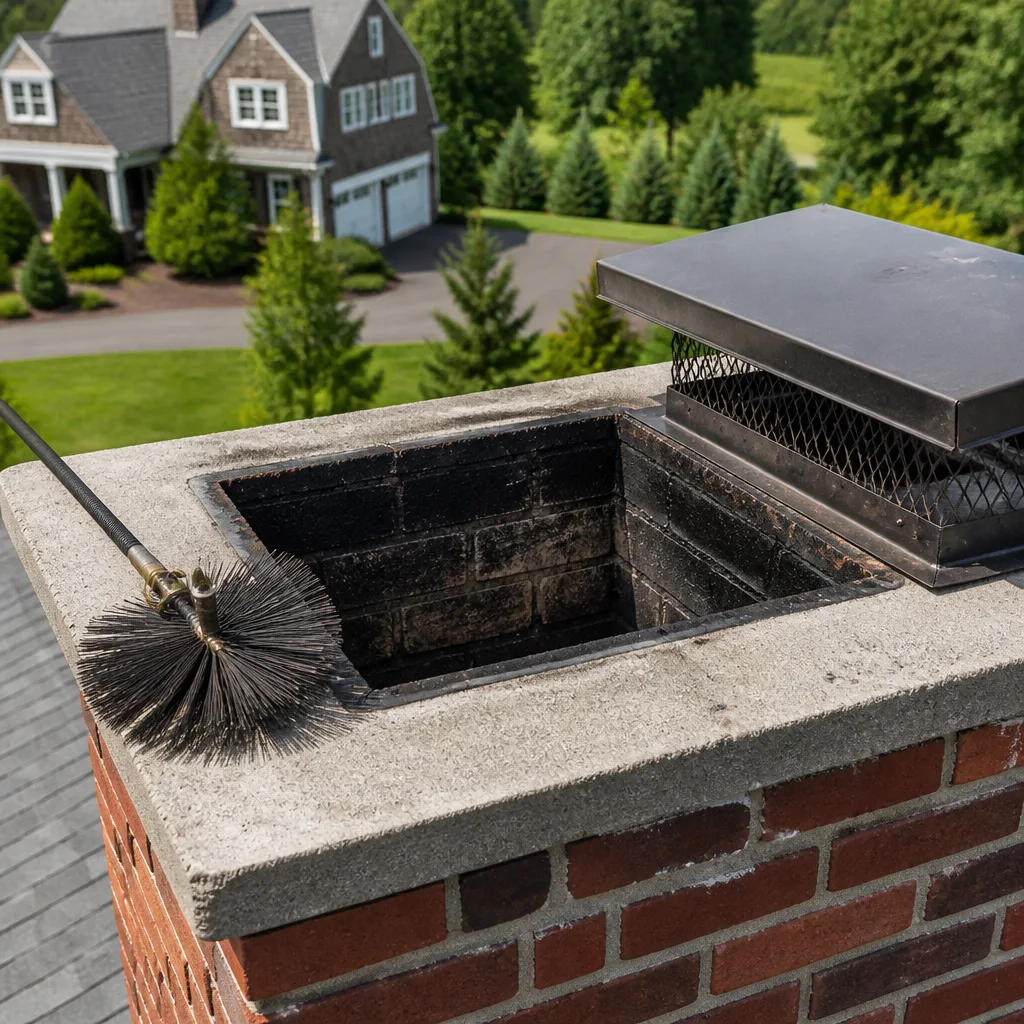 Sweep & inspection
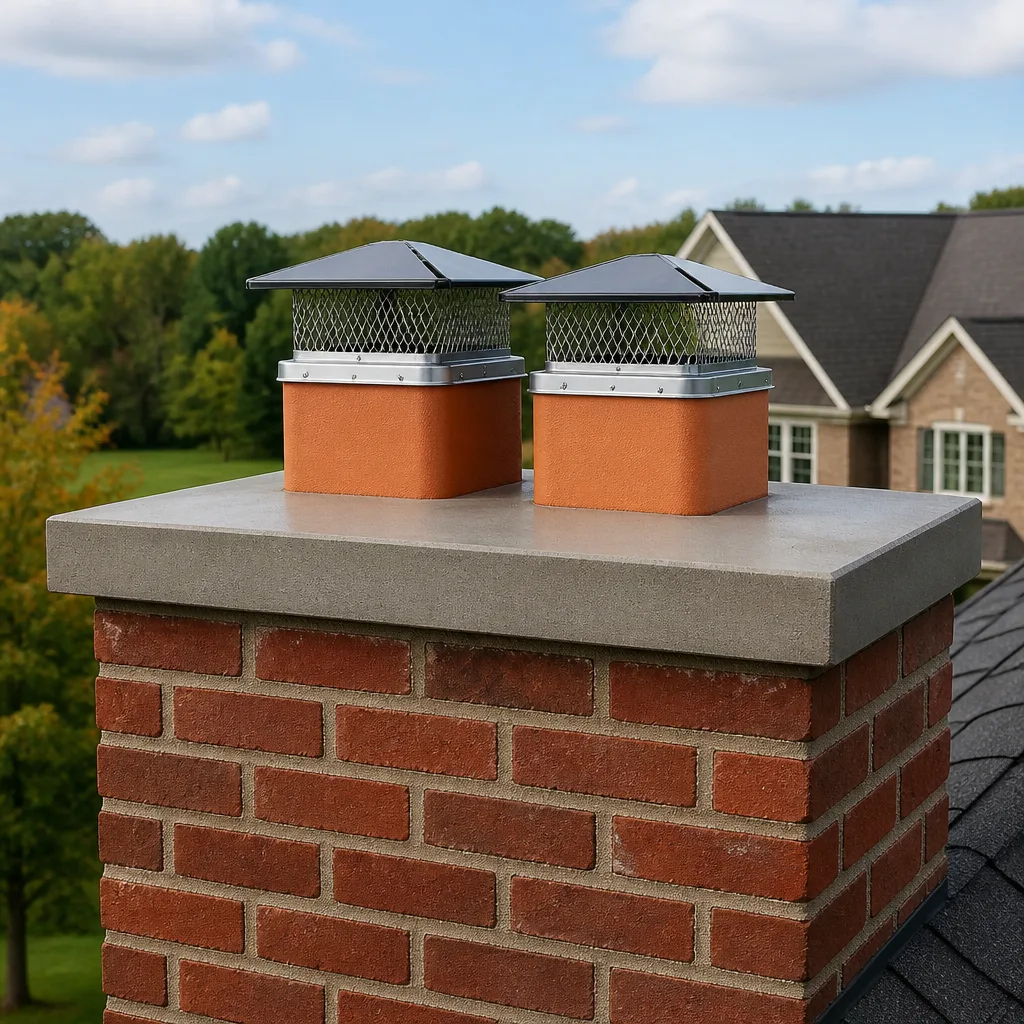 Caps & crowns
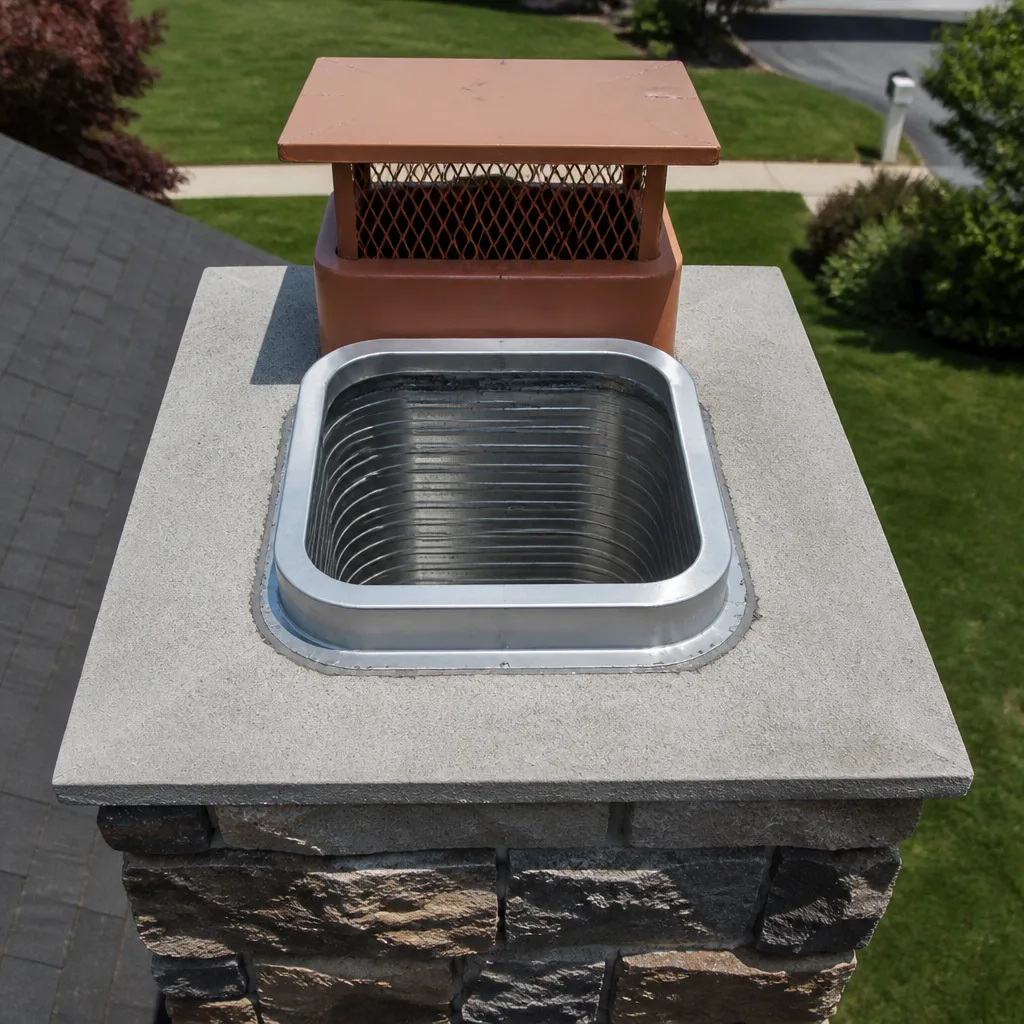 Flue relining
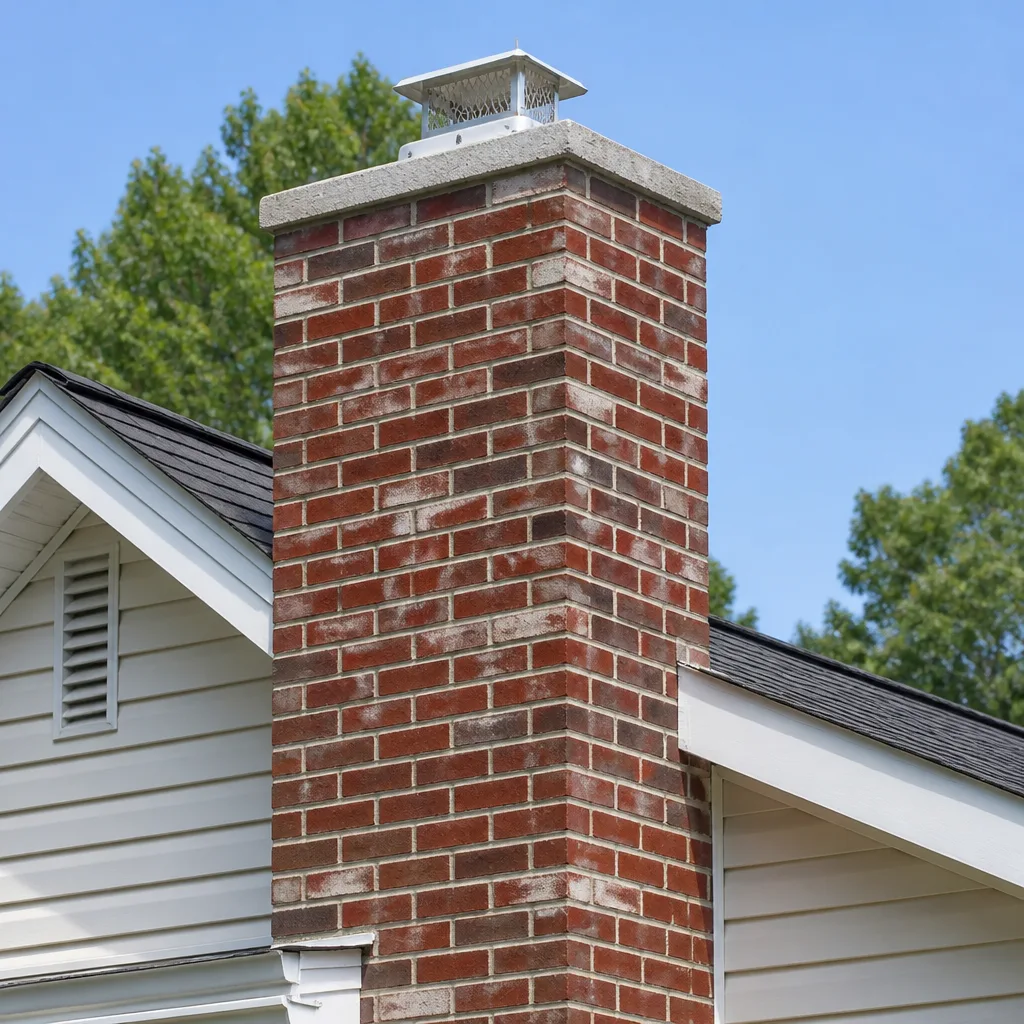 Masonry repair
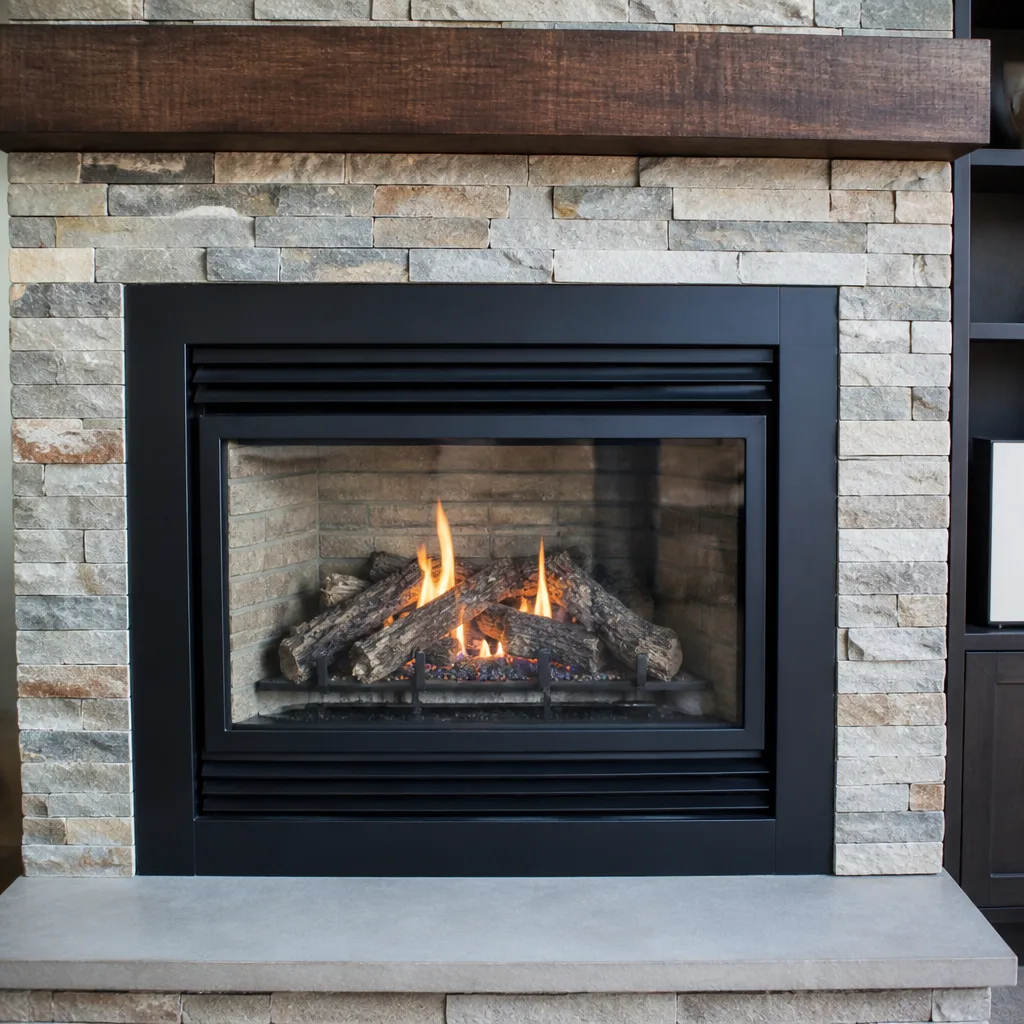 Gas fireplace service
Level 1 sweep and inspection to the NFPA 211 annual standard - flue, crown, cap, and flashing checked and photographed
Chimney sweep logs do not sweep chimneys. They loosen some creosote - which then falls where a brush and vacuum still have to collect it.
DIY vs Professional Chimney Cleaning: The Lakewood Homeowner’s Decision Guide
Chimney brush kits come with instructions. What they don’t come with is a camera that shows you the cracked flue tile six feet up the liner – the one that lets carbon monoxide route directly into your wall cavity while you think you’ve handled maintenance. That’s the honest problem with the DIY-versus-professional debate: it’s usually argued over cost, but the real difference is diagnostic access. A brush removes soot you can reach. It cannot see the conditions that decide whether your chimney is safe. This guide lays out exactly what DIY sweeping can and cannot touch in a Lakewood home, where that line falls, and how to decide for your own chimney.
Quick Answer
DIY chimney cleaning can remove loose soot and light creosote from the reachable lower flue, but it cannot inspect, assess, or repair the upper flue, liner, crown, or cap that actually determine fire and carbon monoxide safety. For a Lakewood home with a clay tile liner – especially one built between the 1960s and 1980s – professional cleaning paired with a camera inspection is the only way to know the system is sound. DIY is best treated as light upkeep between professional visits, not a replacement for them.
Styles & brands we work with
- Sweep & inspection
- Caps & crowns
- Flue relining
- Masonry repair
- Gas fireplace service
Table of Contents
- What DIY Sweeping Can Actually Reach
- What DIY Cannot See or Fix
- Why Lakewood’s Older Housing Stock Raises the Stakes
- Realistic Cost Comparison: DIY vs Professional
- The Limits of a Store-Bought Chimney Kit
- The One Honest Use for DIY Between Visits
- What a Professional Cleaning Actually Involves
- Safety First: What You Should Never Try Yourself
What DIY Sweeping Can Actually Reach in a Standard Lakewood Chimney
A homeowner with a brush and rods can clean the lower portion of a straight flue in a standard Lakewood home. That’s a real limit, not a put-down. Here’s what that reachable zone includes and leaves out.
In most Lakewood houses, the chimney rises from a fireplace or wood stove through the roofline. From the firebox up, the first stretch of flue is accessible from below with rods, and the top of the flue is accessible from the roof with a brush on a line. But the middle and upper sections, any offset or bend in the flue, and the full interior surface of the liner are where a homeowner’s access breaks down.
- Reachable from below: the smoke chamber entry, the first several feet of flue, and loose soot on the firebox walls.
- Reachable from the roof (with care): the top few feet of flue and the cap, if you can safely get up there.
- Missed entirely: the upper flue lining, any flue offset, the smoke shelf behind the damper, and the inner face of the liner where glazed creosote bonds.
That middle and upper zone is where most chimney problems live. Soot falls, but glazed creosote clings. A brush pushed from below scrapes what it touches and passes over what it doesn’t. In our experience, homeowners who sweep their own chimneys usually clean the part they can see and assume the rest is fine. It’s the part they can’t see that matters. When you’re ready to have the whole flue cleaned and checked, a professional chimney sweep covers the full run from firebox to cap.
What DIY Cannot See or Fix: The Conditions That Decide Safety
The conditions that make a chimney dangerous are almost always invisible from the firebox and easy to miss from the roof. Three of them account for most of the serious problems we diagnose.
Stage 2 and Stage 3 Creosote
Creosote builds in stages. Stage 1 is a light, flaky dust you can brush away. Stage 2 is a crusty, tar-like layer that clings to the liner and doesn’t come off with a standard brush. Stage 3 is glazed, hardened creosote that has essentially baked onto the flue surface. Stage 2 and 3 creosote are the fuel for chimney fires, and neither responds to a homeowner’s brush-and-rods approach. Removing them takes professional rotary equipment and, in some cases, chemical treatment. A sweep-only visit that only scrapes the reachable soot leaves the dangerous layer in place.
Liner Cracks
A clay tile liner is designed to contain heat and combustion gases and route them up and out. When a tile cracks – from a previous chimney fire, from moisture, or from simple age – those gases can escape into the surrounding masonry and framing. Carbon monoxide has no smell. A cracked tile six feet up is invisible from below. Only a camera inspection reveals it.
Crown and Cap Deterioration
The crown is the concrete cap at the top of the chimney that sheds water away from the masonry. When it cracks, water gets in, freezes, and works the masonry apart. The cap keeps rain, animals, and debris out of the flue. Both fail gradually and quietly. A homeowner looking up from the ground won’t see a hairline crown crack, and someone brushing from the roof is focused on the flue, not the crown’s edges. Proper chimney cap & crown work starts with catching these failures early, which requires actually getting up there and looking closely.
Why Lakewood’s Older Housing Stock Raises the Stakes
Lakewood grew fast in the decades after World War II, and a large share of its homes date to the 1960s through the 1980s. Many of those houses were built with clay tile liners, masonry fireplaces, and chimneys that have now seen fifty or sixty winters of freeze-thaw cycles. That matters for the DIY question.
Older clay tile liners are more likely to have developed cracks, gaps at the joints, and spalling from moisture than newer systems. The mortar between tiles breaks down over time, and each winter’s freeze-thaw cycle widens small cracks. A homeowner sweeping a 1970s Lakewood chimney is working on a system that may already have hidden damage – and the brush gives no signal that it’s there.
Newer homes often use factory-built metal chimney systems with stainless liners that are more forgiving and easier to inspect. The older clay tile systems common in established Lakewood neighborhoods don’t offer that margin. The flue is a stack of tiles with mortar joints, each a potential failure point. On top of that, Lakewood’s altitude and dry climate mean wood often burns hotter and faster than at lower elevations, which can accelerate creosote formation if the wood isn’t well seasoned.
The practical takeaway: the older your Lakewood home, the more the DIY approach leaves unseen. If your house was built before the 1990s and still has its original clay liner, a camera inspection every year or two is worth more than any amount of home brushing.
Realistic Cost Comparison: DIY vs Professional
Let’s be honest about the numbers. A DIY chimney kit costs money up front, and the time and risk aren’t free either. Here’s how the two paths actually compare.
| Approach | What You Pay For | What You Get |
|---|---|---|
| DIY kit and rods | One-time purchase of brush, rods, and possibly a shop vac attachment | Removal of loose soot from reachable flue sections; no inspection, no documentation |
| DIY time and risk | An afternoon on a ladder or roof, plus soot cleanup indoors | Exposure to falls and soot; no way to confirm the liner is sound afterward |
| Professional cleaning | A per-job price set by written estimate | Full flue cleaning, camera inspection, and a report of what was found |
The DIY kit looks cheaper on the receipt. But it buys you a clean lower flue and nothing else. It doesn’t tell you whether your liner is cracked, your crown is failing, or your creosote has reached Stage 2. Those are the findings that prevent a chimney fire or a carbon monoxide problem. A professional cleaning is priced per job by a written estimate, so you know the cost before any work starts.
Weigh it this way: the DIY kit plus your time lands you at a partly cleaned chimney with no documentation. Professional cleaning lands you at a fully cleaned chimney with a camera report you can keep. For a Lakewood home with an older clay liner, the second option is the one that actually answers the safety question. Once you know what condition the system is in, any fireplace repair the inspection turns up can be planned rather than guessed at.
The Limits of a Store-Bought Chimney Kit
A chimney kit sold online or at a hardware store is a tool, and it works within a narrow band. Understanding its limits helps you decide whether it’s worth owning.
- It cleans straight flues well and offset flues poorly. Rods push through a straight run. A flue with an offset or a smoke chamber with a shelf defeats them, and the brush skips the surfaces it can’t reach.
- It doesn’t remove glazed creosote. Stage 2 and 3 creosote need rotary action and sometimes chemical treatment. A hand brush glides over the hard glaze.
- It gives no feedback. A camera shows you every joint and tile. A brush shows you nothing but what comes down.
- It creates a mess you have to manage. Without a sealed vacuum system, soot ends up in the room. Professional setups contain it at the source.
- It doesn’t touch the crown or cap. Those need eyes and hands at the top of the chimney, not a brush on a line.
The other thing a kit can’t do is tell you when it’s finished. A professional sweep knows what a clean flue looks like from the inside, because they’ve seen thousands of feet of it. A homeowner brushing from below is working blind. For a reminder of what a complete sweep covers, see our chimney sweep service.
The One Honest Use for DIY Between Visits
There’s a real place for homeowner upkeep – just not where most people put it. Light maintenance between professional visits can add genuine value if you keep it in its lane.
The honest use case is this: keeping ash buildup down in the firebox, checking the damper operates freely, and making sure the cap is clear of leaves and debris you can see from the ground or reach safely. That’s it. It’s upkeep, not cleaning.
- Empty ash regularly. A deep ash bed restricts airflow and worsens combustion.
- Check the damper. It should open and close smoothly. A stuck damper is a sign of a problem worth a professional look.
- Look up from the ground. A visible cap that’s loose, cracked, or missing tells you to call.
- Burn seasoned wood. Dry wood burns cleaner and produces less creosote than green wood, which reduces how fast the flue fouls.
- Keep a log of when you last had it swept. Knowing the date helps a professional track how fast your particular chimney fouls.
What this upkeep doesn’t do is replace a sweep or an inspection. Treat it as the low-risk, high-value part of chimney care, and let a professional handle the flue itself. Our technicians have up to 9 years of experience assessing exactly this kind of between-visit condition and telling homeowners honestly when a sweep can wait.
What a Professional Cleaning Actually Involves
Here’s the sequence a professional cleaning follows, so you know what you’re paying for and what to expect.
- Setup and containment. Drop cloths go down and a sealed vacuum system runs at the firebox, capturing soot at the source so it doesn’t spread into the room.
- Full-flue brushing. Rotary brushes sized to the flue clean the entire run from firebox to cap, including offsets and the smoke chamber.
- Creosote assessment. The technician checks the degree of creosote and removes Stage 2 and 3 deposits with the right equipment.
- Camera inspection. A camera goes up the flue to look at every tile joint and the liner’s full length. This is the step DIY can’t replicate.
- Crown and cap check. The top of the chimney is inspected for cracks, spalling, and cap condition.
- Photo report and recommendations. You get a report of what was found, with photos. Nothing is recommended that isn’t visible in the evidence.
That last point is the heart of how we work: we inspect before we recommend. If the liner shows a crack, you’ll see the photo. If the crown is sound, we’ll tell you it can wait. A pro who does the full sequence also has the tools to fix what the inspection finds – HeatShield resurfacing for a deteriorating liner, or a Gelco or Olympia Chimney stainless liner where a full reline is the answer – without sending you to a second contractor. One call covers sweep, inspect, and repair.
Safety First: What You Should Never Try Yourself
Some parts of chimney work are genuinely dangerous, and no brush kit changes that. The top of the chimney is a height and fall risk. The flue interior is a confined space with soot exposure. Creosote removal around a hot system carries fire risk if it’s done wrong. And none of that touches the two real hazards the work is meant to prevent: chimney fires and carbon monoxide exposure.
Here’s our position plainly. Climbing onto a roof to brush a flue is a job for someone trained and equipped for it, with the right fall protection. Diagnosing a liner or crown is a job for someone who can read what the camera shows. And if you smell gas, notice soot falling into the firebox, or see creosote glaze on the liner, stop and call rather than trying to handle it. We define the safety concern and recommend a trained professional – we don’t hand out step-by-step instructions that could lead to a fall or a fire.
What you can safely do is know the warning signs and know who to call. That’s more valuable than a brush on a pole. One phone call to our full-service team gets your chimney swept, inspected, and repaired or protected as needed, all in one relationship.
Common Mistakes to Avoid
- Assuming a clean-looking firebox means a clean flue. The firebox is the easy part. The upper flue is where the creosote and cracks live, and it looks exactly the same to you either way.
- Brushing a clay tile liner without inspecting it first. Pushing a brush through a tile that’s already cracked can widen the damage. In a 1960s-1980s Lakewood home, that’s a real risk.
- Treating a light brush-down as a substitute for a sweep. It skips the camera, the crown, the cap, and the smoke chamber – the four things most likely to hide a problem.
- Burning green wood and wondering why creosote builds fast. Seasoned wood matters more in Lakewood’s dry, high-altitude climate, where combustion runs hot and fast.
- Ignoring the crown because it’s out of sight. A hairline crown crack lets water in, and freeze-thaw does the rest. It’s the quiet cause of a lot of masonry damage.
- Waiting until there’s a problem to have the system looked at. A yearly inspection catches a cracked tile or a failing crown before either becomes expensive or unsafe.
- Choosing a sweep-only crew when you need repair too. If the inspection finds a liner issue, you want the same team to fix it, not a referral to someone else.
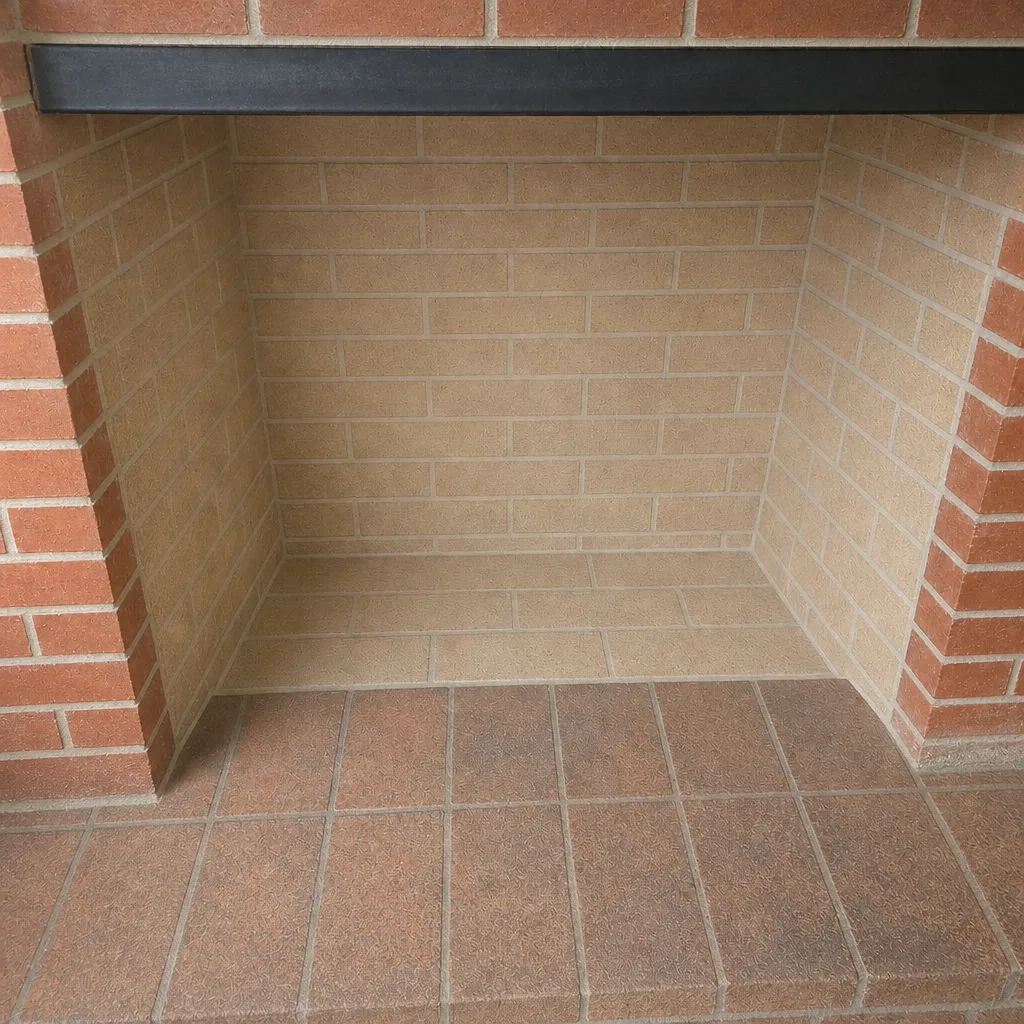
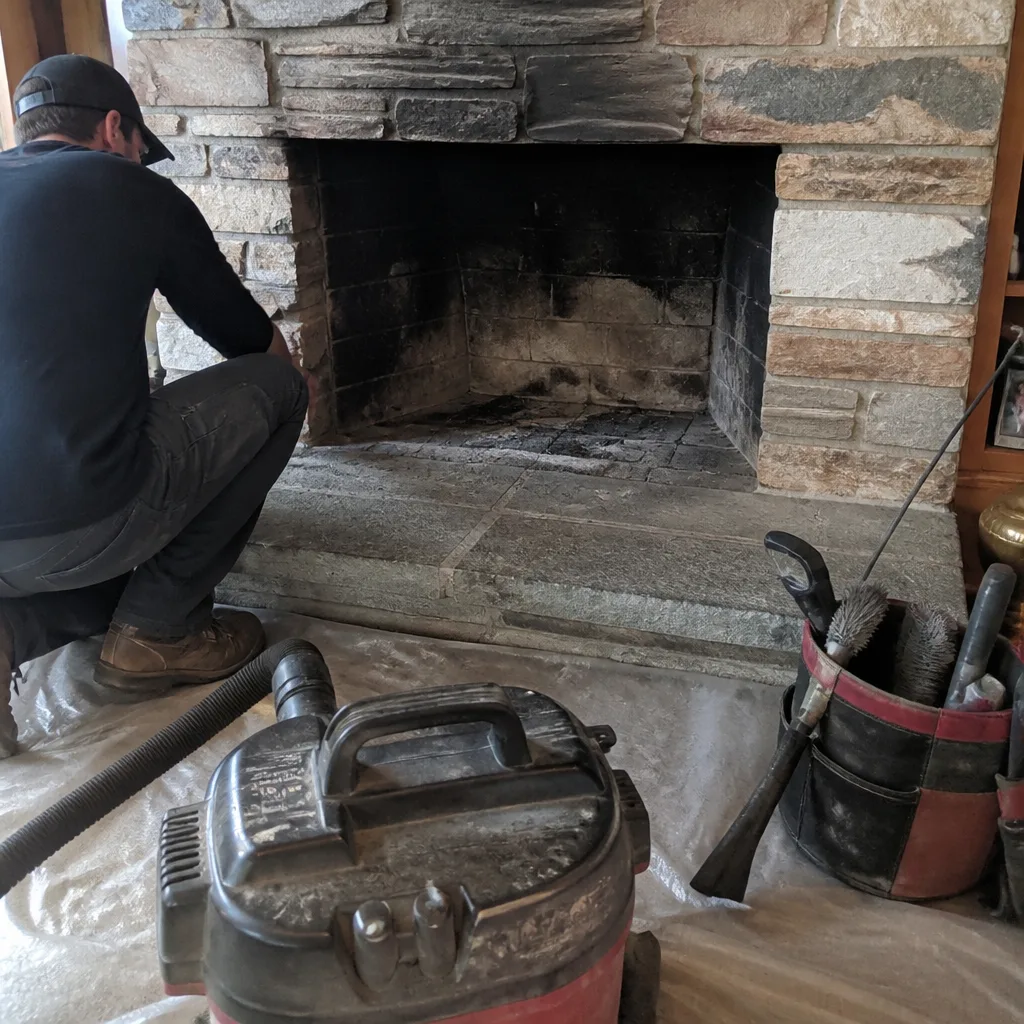
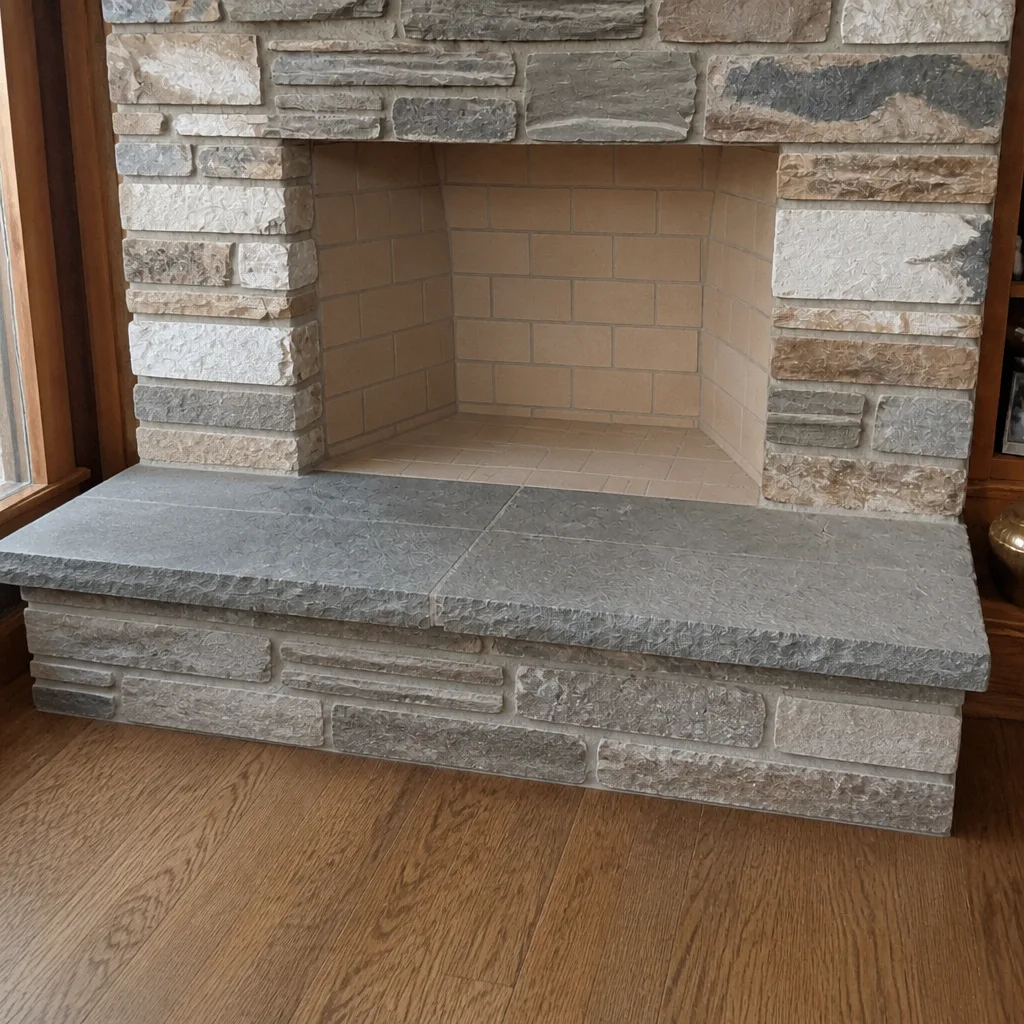
See the difference
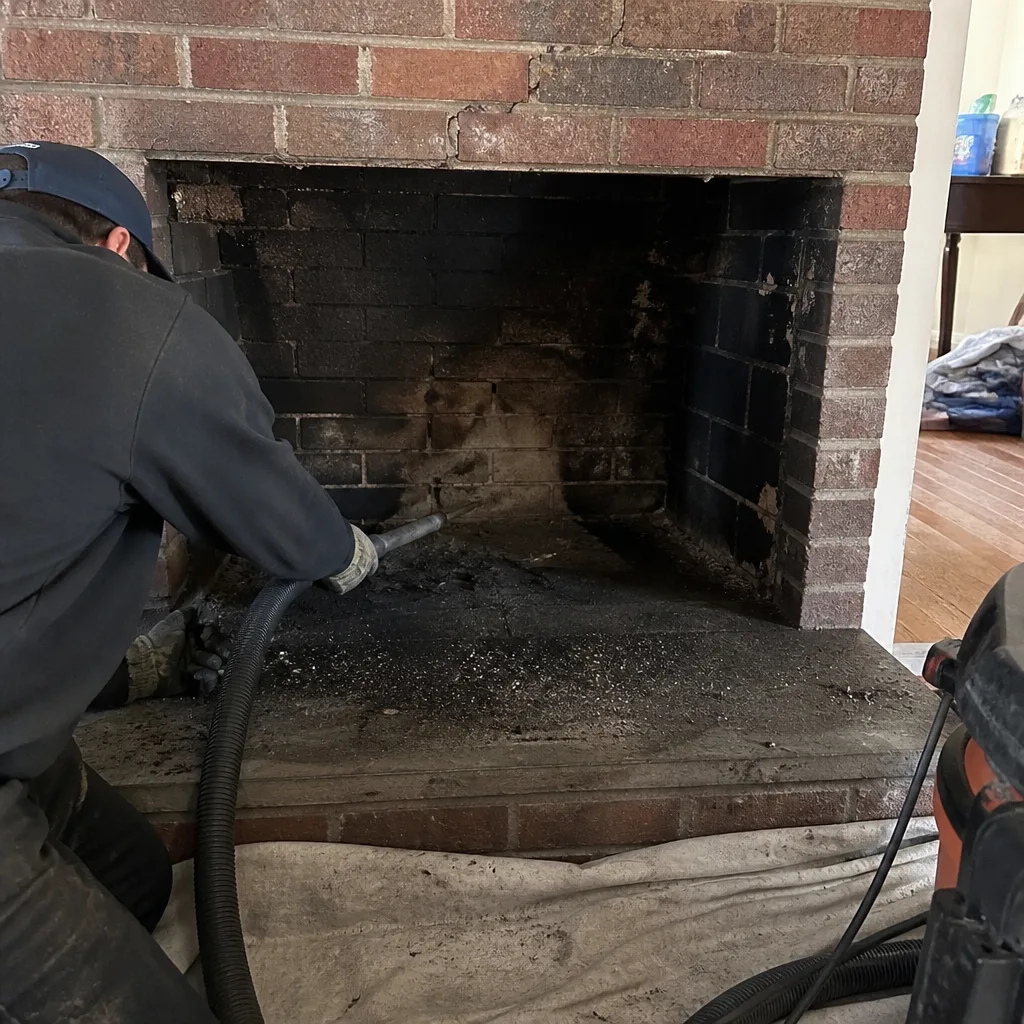 Before
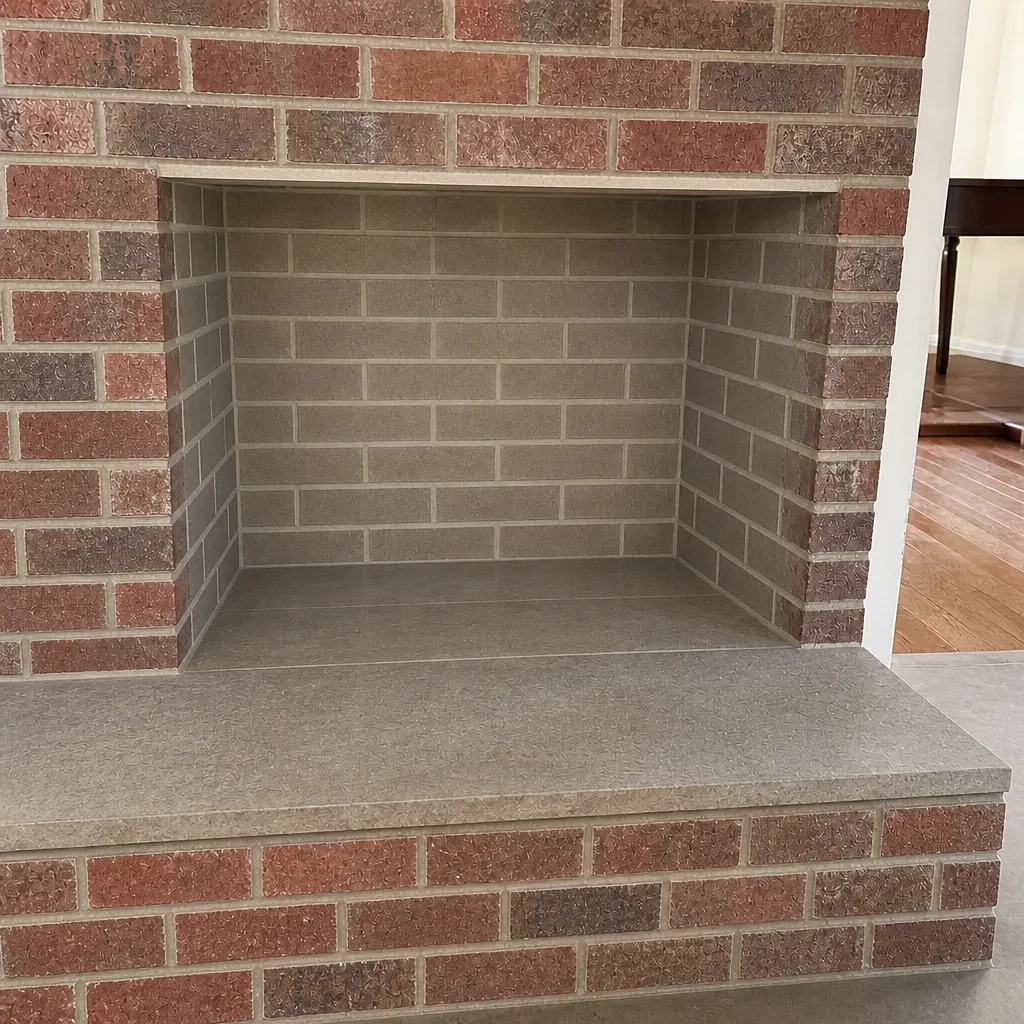 After
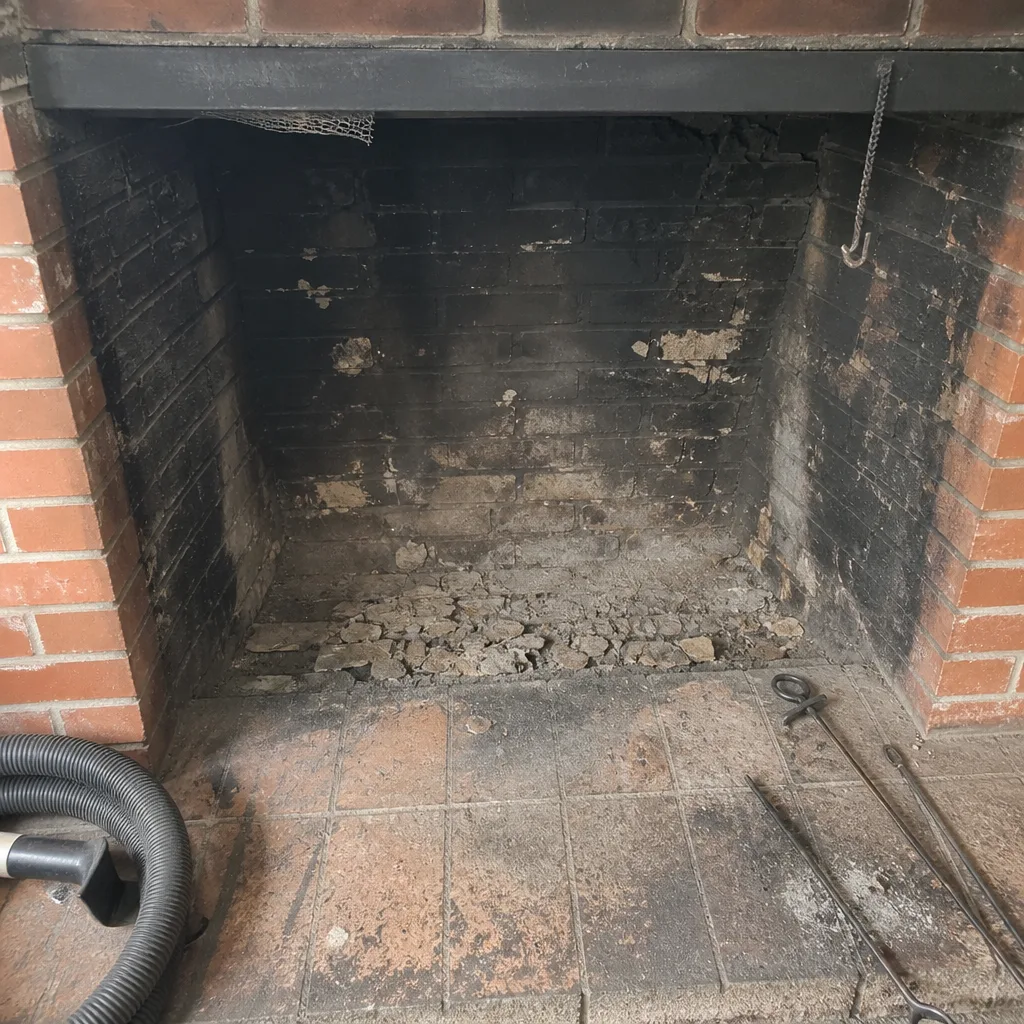 Before
 After
 Before
 After
When to Call a Professional
Call a professional when the work needs eyes on the upper flue, the crown, or the liner – or when you simply want to know the system is sound. That covers an annual or seasonal sweep before the burning season, any first sweep in a home you’ve recently bought (especially a pre-1990s Lakewood house with a clay liner), a cap or crown that’s cracked, loose, or missing, soot falling into the firebox, a damper that won’t operate, or any smell of gas or smoke indoors. It also covers the DIY home, where a professional sweep and camera inspection establish the baseline you maintain against between visits. Lakewood Chimney Sweep Experts offers free estimates in Lakewood – call (855) 964-4542 to book a sweep and inspection.
Frequently Asked Questions
You can remove loose soot from the reachable lower flue, but you can’t inspect or clear the upper flue, liner, crown, or cap, which is where fire and carbon monoxide risks live. DIY is light upkeep between professional visits, not a replacement for a sweep and inspection.
Most wood-burning chimneys need sweeping about once a year, or sooner if you burn heavily or notice creosote buildup. A gas fireplace chimney still needs an annual inspection even though it produces less soot. Call (855) 964-4542 for an exact quote on a sweep and inspection – estimates are free.
The price is set per job by a written estimate, and the estimate itself is free. Cost depends on the flue’s condition, the degree of creosote, and whether an inspection finds anything that needs repair. Call (855) 964-4542 to book and get your estimate.
Creosote builds up over time and, at Stage 2 and 3, becomes fuel for a chimney fire; cracked tiles can also let carbon monoxide escape into the walls. Skipping a sweep means those conditions can develop with no warning you can see from the firebox. A camera inspection is the only reliable way to know. Call (855) 964-4542 to schedule one.
Not every deteriorating liner needs full replacement. When the damage suits it, HeatShield resurfacing can restore a flue liner without a full reline, which is a cost-saving option many sweep-only companies can’t offer. If a full reline is the answer, we install DuraFlex and Olympia Chimney systems built to meet industry safety and venting standards. Either way, nothing is recommended without camera evidence you can see for yourself.
Yes, for ash removal, damper checks, and keeping the cap clear of visible debris – light tasks that support good combustion. It’s not worth doing for the flue itself, which needs the full professional sequence of brushing, camera inspection, and crown and cap check. Call (855) 964-4542 to establish a baseline for a Lakewood home.
The Bottom Line
The DIY chimney debate usually comes down to dollars, but the real dividing line is what you can see. A brush removes reachable soot. It cannot show you a cracked tile, a failing crown, or glazed creosote, and those are the conditions that decide whether your chimney is safe. Lakewood homes from the 1960s through the 1980s, with their clay tile liners, carry more hidden risk than newer systems, which makes a camera inspection worth more than any homeowner kit. Keep DIY to light upkeep between visits. Let a professional handle the flue, read the camera, and fix what it finds – sweep, inspect, and repair under one call.
Lakewood Chimney Sweep Experts works with professional-grade brands like HeatShield, Gelco, Olympia Chimney, and Famco, and we inspect before we recommend. Everything from a basic sweep to structural repair and cap and crown protection is handled by the same team, so you’re not sent to a second contractor. Call (855) 964-4542 for a free estimate. We answer 24/7. Fast dispatch from 7am to 7pm, Sunday through Friday. For the full picture of who we are and what we do, see Lakewood Chimney Sweep Experts.
Written by the team at Lakewood Chimney Sweep Experts.